The Connection Between Music and Metal Wall Art
Intro
The realm of wall art serves as a canvas where life’s many passions can come alive. Among these, the blend of music and metal wall art stands out as a strikingly potent medium. It acts not just as decoration, but as a reflection of identity and cultural inclinations. Music wall art, particularly crafted from metal, draws from the rich tapestry of musical history while echoing contemporary tastes.
Metal has long been a choice material for artistic expression, bringing a certain robustness and texture that can speak volumes about personal aesthetics. From minimalist designs to intricate, elaborate pieces, the possibilities of music wall art are extensive. This exploration not only examines how these art pieces enhance spaces but also taps into the emotions they evoke and the stories they tell.
Understanding the journey of music wall art invites us into the worlds of various artistic movements, and offers insights into how styles have evolved. One can imagine a slim, copper sculpture of a saxophone hanging in a cozy jazz corner or a larger-than-life, steel representation of a rock band gracing a loft’s walls. Each piece holds the potential to resonate uniquely with the viewer, becoming more than just an adornment but a connection to the music that has shaped cultural landscapes.
As we delve deeper into this intersection of music and metal, we will uncover the nuances behind aesthetic selections, the social trends that dictate style, and how such art captures the essence of individual expressions. Join this exploration as we unravel the past, present, and future of music and metal in home decor.
The Essence of Music Wall Art
Music wall art represents more than mere decoration; it serves as a profound embodiment of identity, emotion, and cultural connection. Through visual representations, it encapsulates the spirit of music that resonates deeply with personal experiences and collective histories. Choosing to display art that reflects musical themes allows individuals to transform spaces into reflections of their passions, making these pieces significant components of both aesthetic enjoyment and personal expression.
Defining Music Wall Art
Understanding music wall art starts with recognizing its components. It encompasses a wide array of styles and forms, from abstract representations of sound waves to intricate metal sculptures echoing the instruments at the heart of musical traditions. This type of art can take various shapes, including posters, canvases, metal silhouettes, and even three-dimensional installations. The choice of medium spans diverse materials, although metal has emerged as a favored choice due to its resilience and ability to reflect light, thus enhancing visual dynamics.
The beauty of music wall art lies in its diversity. For instance, consider a striking metalwork piece that showcases the silhouette of a jazz saxophonist mid-solo. The combination of the flowing lines and polished finish can almost make the metal appear to sing, capturing not just an image, but the essence of improvisation, spirit, and jazz culture itself. On the other hand, a colorful abstract canvas may evoke the cacophony of a rock concert, drawing viewers into its vibrant chaos. Such examples illustrate how music wall art can convey narratives and emotions in ways that transcend traditional artistic representations.
Cultural Significance of Music in Art
The intersection of music and wall art is steeped in cultural significance, rooted in the way music shapes societies and individual identities. Music, after all, has been a universal language that transcends borders and eras, weaving together diverse cultures and communities. For instance, take a look at the iconic art movements inspired by musicians—think of how the psychedelic rock of the 1960s influenced vibrant posters and album covers that reflect the culture of rebellion and freedom.
Furthermore, music wall art often becomes a mirror to significant social movements. From protest songs that inspired illustrations of civil rights to the delicate depictions of folk musicians who capture the essence of their heritage, art becomes a means to represent cultural narratives. Each piece of music wall art invites observers to engage in a dialogue about the music it commemorates, inspiring further exploration of its historical context.
"Art is the most beautiful of all lies; it helps us to forget our troubles and face the world anew, translating music into a visual form that invigorates the senses."
In sum, the essence of music wall art encapsulates profound connections. It intertwines the stories told through melodies with those shared through the brush strokes or welding torches of artists. This convergence enhances personal spaces by conveying individual stories, making art an integral part of one's lifestyle and environment.
Historical Context of Music Wall Art
Understanding the historical context of music wall art is vital for grasping its current role and significance in both artistic and interior design realms. Music has long been intertwined with cultural expression and community identity. This connection is beautifully manifested through music wall art, where metal often serves as a compelling medium. Art that features musical elements isn’t just decoration; it holds stories, emotions, and social commentary that echo the eras and movements from which it hails.
The evolution of this art form not only showcases technical advancements in materials and techniques but also reflects changing societal attitudes towards music and art throughout the decades. By investigating this history, we can gain insights into how contemporary artists draw inspiration from past movements, making music wall art an ongoing dialogue between the past and present.
Evolution Through the Decades
From the roaring twenties, where jazz took center stage, to the gritty streets of the punk era, music wall art has adapted, transforming along with popular music trends.
- 1920s-1930s: These decades began to see the emergence of jazz as a defining genre, and related art forms, including wall decor, started to embrace the vibrancy and energy associated with jazz clubs. Art Deco styles featuring whimsical designs and bold colors filled the spaces, paralleling jazz's lively rhythm.
- 1940s-1950s: Post-war influences brought rock and roll, and with it, a more rebellious spirit. Metal wall art during this time began to showcase iconic artists like Elvis Presley; signs and posters became essential to expressing admiration for burgeoning stars, setting a precedent for fan art in the years to come.
- 1960s-1970s: This was a pivotal time for music and art, with the advent of psychedelic rock. Art began to shatter conventional methods; bright colors, abstract designs, and surrealistic imagery started bursting onto walls. Artists like Andy Warhol exemplified this blending of high art and pop culture, making art approachable and relatable.
- 1980s-1990s: The rise of heavy metal led to a darker aesthetic. Metal wall art grew more intricate, often incorporating motifs like skulls, guitars, and other symbology tied to the genre. Artists got bold with materials, using metallic finishes that almost shimmered under light, capturing the fierce energy of the music.
- 2000s-Present: Now, music wall art embraces digital art forms and customization. Many artists offer bespoke pieces, allowing fans to connect their personal music journeys with unique art. The fusion of various mediums, including wood and plexiglass, creates exciting opportunities for musicians and visual artists alike to collaborate.
Influential Movements in Music Art
The influences of different artistic movements have been crucial in shaping music wall art over time. These movements serve as both inspiration and a canvas for artists to express their take on music's rich tapestry.
- Expressionism: The emotional depth found in expressionist art parallels the raw power in music. Artists capture feelings associated with music, translating auditory experiences into visual forms, often through abstract shapes and vibrant colors.
- Pop Art: This movement brought a sensational flair to music art, merging commercial and fine-art principles. Artists like Roy Lichtenstein famously turned everyday objects into art, reflecting the commercialization of music in the 1960s.
- Street Art: Street art acts as a vibrant voice of the urban landscape, incorporating music imagery relevant to communities. Graffiti artists often pay tribute to musical legends, blending the public space with artistic expression that keeps the legacy alive.
"Music wall art is more than decoration; it tells our stories, connects us to our past, and shapes our spaces in ways we often overlook."
- Digital Art: Emerging technology has opened the floodgates for new styles and techniques. Artists create music wall art using software, projecting their concepts directly onto walls or collaborating with musicians to bring their visions to life.
In sum, the historical context of music wall art lays the groundwork for understanding its transformative power over time. By observing how styles evolve and which movements influence artists, we can better appreciate the intricacies of music's relationship with metal wall art today.
Materials and Techniques
Materials and techniques form the backbone of music wall art, influencing not only the aesthetic appeal but also the overall durability and tactile experience of each piece. When it comes to blending music and metal, the significance of selecting the right materials cannot be overstated. Artists must consider the textural qualities of metals, their reflective properties, and how they harmonize with other elements in a given space. From repurposed vintage instruments to sleek modern metallic finishes, these choices shape both the style and the narrative behind the artwork.

Exploring Metal as a Medium
Metal, as a medium, offers a unique palette for artists delving into the world of music wall art. Its versatility allows for various applications, such as cutouts, sculptures, and wall hangings that seamlessly integrate musical themes with raw, industrial aesthetics. The use of aluminum, steel, or copper can evoke different emotions and associations; for instance, warm-toned copper could remind one of classic rock aesthetics, while polished steel might align better with contemporary music vibes.
There are several benefits to working with metal:
- Durability: Unlike paper or canvas, metal stands strong against the test of time, ensuring that the artistic expression remains intact for years to come.
- Tactile Qualities: Metal can offer a fascinating play of light and shadow, creating depth that invites viewer interaction.
- Sustainability: As more artists turn to eco-friendly production, reclaimed metals can be manipulated to create stunning art while minimizing waste. This aspect often resonates with environmentally conscious consumers.
When using metal, it’s crucial for artists to consider their processes carefully. Welding, etching, and patination are just a few of the techniques employed that can elevate a basic idea into a striking statement piece. The skillful application of these methods allows for intricate designs that can mesmerize any audience.
Combining Metal with Other Materials
The fusion of metal with other materials opens up a whole new world of possibilities for music wall art. Whether it’s integrating wood, glass, or even textiles, the combination can enhance the narrative of the artwork and create richer visual experiences. For example, a steel sculpture can be paired with reclaimed wood, representing a beautiful juxtaposition between nature and industrialism, often mirroring the conflict and harmony found in music itself.
Some common pairings include:
- Wood: Provides warmth and organic contrast to the coolness of metal, highlighting the artisanal qualities of handcrafted music art.
- Glass: Allows for dramatic light play, often used in conjunction with metal to create ethereal or abstract interpretations of musical themes.
- Textiles: Incorporating fabrics can soften the rigidity of metal, adding texture that brings depth and warmth to the overall aesthetic.
Artists must think critically about how these various materials interact. The visual balance, color harmony, and even the emotional messages conveyed through the combination can significantly affect how the audience perceives and connects with the work.
“The most powerful art blurs the boundaries between materials, providing a multi-sensory experience that resonates with the audience.”
Styles and Designs
Exploring the realm of music wall art leads us into a vibrant world where styles and designs play a crucial role. Just as a musician channels their creativity to craft a unique sound, artists translate the rhythms and emotions of music into visual form. The importance of styles and designs in this context cannot be overstated; they not only encapsulate the essence of musical genres but also cater to diverse aesthetic preferences among collectors and casual buyers alike.
Abstract Interpretations of Music
When one thinks of abstract interpretations in music wall art, the mind often wanders to bold colors and fluid shapes that echo the nuances of sound. This style thrives on the artist's ability to convey feelings without necessarily adhering to realism. For instance, an abstract piece might use swirling patterns, mimicking the way sound waves ripple through the air. Artists like Wassily Kandinsky famously hinted at the intersections of sound and visual art, suggesting that colors and shapes could evoke musical sensations.
The benefit of such abstract representations lies in their ability to engage viewers’ imaginations. They invite people to feel rather than just see—each glance could evoke a different emotion, depending on the viewer’s state of mind or personal experiences.
"Art is the most beautiful of all lies. It captures what we hear, feel, and aspire in potent bursts of creativity."
— Anonymous
In a living space, these abstract pieces can act as conversation starters. They resonate with those who appreciate the profound connection between music and emotional expression. They can also fit seamlessly into a variety of home decor styles, from minimalist to bohemian. As collectors look for ways to enhance their environments, abstract pieces offer a dynamic element that reflects their personal narrative.
Realistic Depictions and Portraits
On the other end of the spectrum lies realistic depictions, where the focus is on capturing the likeness of musicians or iconic instruments. These artworks tell stories, chronicling the legends of the music world. Think of a breathtaking portrait of Jimi Hendrix captured in mid-performance, a scene filled with energy and emotion. Such pieces serve more than just decorative purposes; they're cultural artifacts that pay homage to the artists who have shaped musical landscapes.
Realistic art requires a mastery of technique and an understanding of the subject, making these pieces often prized by collectors. They can evoke nostalgia, transporting viewers back to pivotal moments in music history.
The presence of music legends on walls not only beautifies spaces but also communicates a sense of identity. A home adorned with portraits of one's favorite musicians speaks volumes about one’s tastes and influences. This connection is further enhanced when the art resonates with the viewer's life experiences—whether they remember dancing to a particular song or find solace in lyrics that have shaped their worldviews.
In summary, the styles and designs of music wall art contribute significantly to its impact in personal spaces. While abstract interpretations invite subjective engagement and emotional resonance, realistic depictions provide a tangible connection to the artists we admire. Together, they create a diverse gallery that speaks to the multifaceted relationship between music and visual art.
The Influence of Iconic Musicians
When we talk about music wall art, one cannot overlook the powerful effect of iconic musicians on this genre. The artists that have shaped the music landscape often become the very heartbeat of metal wall art, providing inspiration and context that resonates with fans and art lovers alike. From the wild charisma of rock legends to the profound lyrics of singer-songwriters, these musicians encapsulate moments and emotions that artists translate into captivating visual expressions. The interplay between the soundwaves of their music and visual artistry becomes a canvas of cultural reflection.
Artists Who Inspire Metal Art
The world of metal wall art thrives on the influence of musicians, whose images and lyrics spark creativity in artists. Iconic figures like Jimi Hendrix, whose guitar prowess and electric persona define the spirit of rock, are often depicted in vivid displays of color and form. These representations serve multiple purposes: they ignite nostalgia for a bygone era, celebrate musical achievements and, quite importantly, foster an emotional connection between the observer and the art.
Other musicians such as Freddie Mercury from Queen take center stage in the realm of wall decor. His flamboyant style and theatrical performances lend themselves to artistic interpretations that merge bold metal features with rich artistic flavors, capturing the essence of performance art. If one considers the various shades and tones of his songs, they can almost see how those might translate visually in a piece of art. Iconic images, like Mercury’s closed-eyed face sung with unmatched passion, become timeless motifs in metal wall art.
Furthermore, contemporary artists like Billie Eilish show how modern popular music influences current design trends. Her ethereal and sometimes haunting aesthetic has inspired many metal wall art pieces that capture her essence while embracing modern designs. It’s this fusion of sound and visual appeal that creates a vibrant culture around music wall art.
Cultural Icons in Wall Art
Musicians are more than just entertainers; they become cultural icons, symbols representing significant movements and societal change. The portrayal of these luminaries in wall art not only celebrates their contributions to music but also reflects larger narratives within society.
- Political Messages: Artists like Bob Dylan and Joan Baez wielded their voices to challenge the status quo, and their artistic representations often include the very protests they championed. For example, a metal art piece inspired by Dylan’s “The Times They Are A-Changin’” might incorporate elements that visually articulate themes of transformation and resistance.
- Cultural Shifts: Think of Kurt Cobain, whose raw authenticity and representation of Generation X speak volumes about disconnection and angst. Art that reflects his image often incorporates a sense of rebellion, merging the roughness of metal with emotive elements that tell a deeper story. Such art doesn’t just hang on walls; it acts as a dialog between generations.
In this sense, music wall art encapsulates more than just the aesthetics of famous musicians; it serves as a canvas that tells stories of cultural evolution and societal moments frozen in time. The emotional resonance with musical themes found in such art enhances the atmosphere of personal living spaces, thus revealing much about the inhabitants who choose to adorn their walls with these cultural icons.
Market Trends in Music Wall Art
The intersection of music and metal art stands as a testament to the evolving tastes and preferences of contemporary consumers. As wall art integrates deeper into personal and public spaces, understanding the market trends in music wall art becomes crucial. This segment reveals key elements that can enhance appreciation and informs consumers about what drives their purchasing choices. Factors such as the rise of customization, shifting cultural touchstones, and the intersection of technology and design shape the landscape of what we now see hanging on walls.
Analyzing Popularity Among Consumers
The popularity of music wall art is not just a passing trend; it reflects deeper emotional connections and personal identities. Many folks find themselves drawn to pieces that resonate with their musical preferences or represent significant moments in their lives. This particular art form has gained traction among diverse demographics, especially younger generations who value both aesthetic appeal and cultural statement.
One driving force is the social media age, where visuals reign king. Platforms like Instagram and Pinterest have become hotbeds for showcasing art, encouraging enthusiasts to share their spaces adorned with unique pieces.
"Art has the power to evoke emotion, and nothing does it better than the notes and rhythms we cherish."
Consumers now tend to gravitate towards vibrant and bold representations of their favorite albums, song lyrics, or artists. These aren’t just decorative elements; they become conversations starters that create a connection among similar-minded individuals.
Key factors contributing to the popularity of music wall art include:
- Nostalgia: Evokes memories of concerts or special experiences tied to music.
- Self-expression: Allows individuals to showcase their unique taste in music alongside their aesthetic preferences.
- Influencer Culture: Reinforces trends where celebrities and influencers decorate their homes with art that resonates with their fans.
The Growth of Customization Options
Customization represents a significant shift in how consumers approach wall art today. It’s no longer about picking a standard piece from a store shelf. With more artists and brands offering bespoke options, each piece can reflect individuality and resonate on a personal level.
Many companies now provide personalization services, encouraging customers to choose elements such as:
- Themes based on favorite genres (rock, jazz, pop, etc.)
- Specific quotes or lyrics from notable songs
- Colors and styles that match specific decors
This growth in customization doesn't just cater to personal tastes; it also meets the demand for unique gifts. Imagine surprising a music lover friend with a customized piece that speaks to their passion! Not only does this create a lasting impression, but it also heightens the sentimental value of the artwork.
In practical terms, consumers are increasingly opting for:
- Commissioned Artworks: Hiring artists to create something one-of-a-kind.
- Print-on-Demand Services: These platforms enable users to submit their designs or references and receive high-quality prints tailored to their specifications.
- Mixed Media: Combining metal with other materials, resulting in unique textures and finishes.
The fusion of customization and music-themed art thus provides a rewarding avenue for collectors and casual buyers alike, resonating with the desire for authenticity amidst a sea of mass-produced items.
Psychological Impact of Art in Living Spaces
Art holds significant sway over the environments we inhabit. Within the context of music wall art, the psychological impact can be profound. It not only adorns the walls but also shapes the atmosphere of a space, influencing mood and even behavior. Different forms of art can elicit distinct emotional responses, and this interaction between art and individual psyche is critically worth exploring.
How Art Reflects Identity
Art is a reflection of who we are, often serving as an outward expression of our inner selves. Music wall art allows for personal narratives to unfold right on our walls. Whether it’s a stunning depiction of an iconic musician or an abstract representation of sound waves, the art we choose embodies our tastes, preferences, and even our life experiences. For example, a vintage concert poster from a beloved band might not only spark nostalgia but also signal a connection to a specific time and cultural moment. In this way, each piece becomes part of one’s story.
Moreover, the choice of metal as a medium in music wall art offers a raw and rugged aesthetic that appeals to many. Metal carries a weight—figuratively and literally—that resonates deeply with music enthusiasts. It suggests permanence, strength, and rebellion, qualities synonymous with many music genres like rock and metal.
Emotional Resonance with Musical Themes
The emotional pull of music wall art is undeniable. There is something inherently powerful about visual art that encapsulates musical themes, creating an avenue for emotional connection. A piece showcasing rhythmic patterns or the chaos of a guitar solo can evoke excitement or nostalgia. This connection can be understood through the idea of synesthesia, where one sense involuntarily triggers another. Seeing a bold, colorful representation of a favorite song may bring forth memories tied to experiences shared with friends while listening to that music.
Furthermore, art has been shown to impact our emotional well-being positively. Studies suggest that having art in living spaces—especially art that resonates with our personal experiences—promotes relaxation, creativity, and happiness. This is particularly potent with music, as it often represents shared moments and cultural milestones. When these two elements merge, the result is a dynamic interplay that not only beautifies a space but also fosters a comforting and intellectually stimulating environment.
"Art doesn’t just decorate our spaces; it completes them. It whispers to us, connects us, and amplifies our inner dialogue."
Installation and Display Considerations
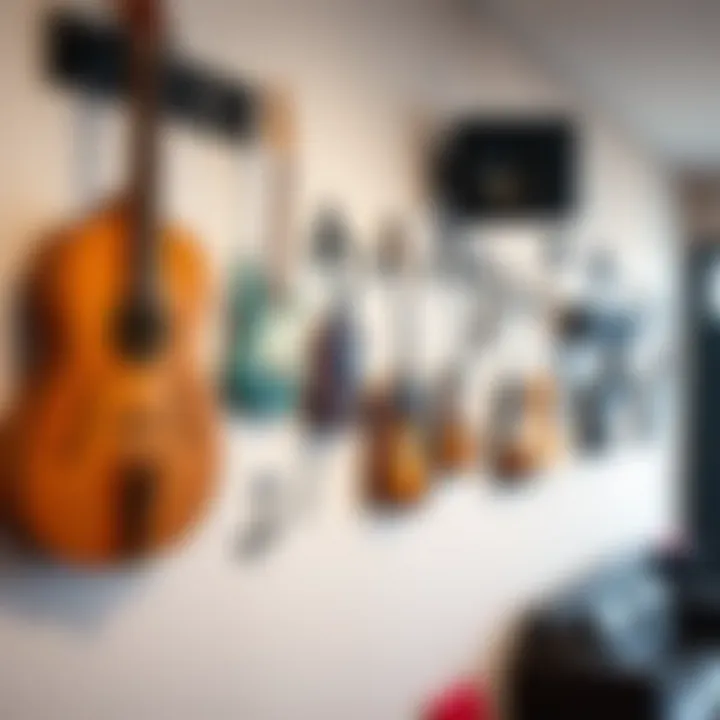
When integrating music wall art into your living space, the physical installation and display play a crucial role in enhancing its aesthetic value. Properly chosen locations and thoughtful arrangements can not only elevate the visual appeal of the art but also influence the mood and ambiance of the surroundings. The aim is to create a harmonious balance that reflects personal taste while also fitting within the broader context of home design.
Choosing the Right Location
Selecting the right location for displaying music wall art can significantly amplify its impact. Here are some key points to consider:
- Visibility: Place the artwork in areas of high visibility. A striking piece of metal art deserves to be seen, so areas like the living room, hallway, or even a dedicated music room are ideal.
- Lighting: Natural light can significantly change the look of a piece. Think about where the light falls throughout the day. If you're using a reflective material, consider indirect lighting to avoid harsh glares that can detract from the art's details.
- Height: Hang the artwork at eye level. This height allows viewers to engage with the piece, making it easier for them to appreciate the details and craftsmanship that go into each design.
- Scale and Size: The size of the wall art should complement its surroundings. Large pieces can serve as a focal point, while smaller artworks can be grouped in a gallery style.
Ultimately, the right location can transform an ordinary space into an extraordinary display, inviting admiration and sparking conversation.
Complementing Interior Design with Art
The interaction between music wall art and the overall interior design can create an enriched atmosphere that tells a story. Here are several considerations to keep in mind:
- Color Palette: Match or contrast the colors in the artwork with the room’s existing color scheme. A bold, vibrant piece can act as an accent against neutral tones, while softer hues can blend into a more subdued design.
- Style Consistency: Aim for consistency in style across the space. Whether the aim is contemporary, rustic, or eclectic, ensure the music wall art resonates with the chosen theme. For instance, metallic pieces fit wonderfully in an industrial-themed room.
- Functional Spaces: Consider the purpose of the space. Art in a home office may need to inspire concentration, while art in a living room can elicit comfort and warmth. Align artwork with the emotional response you want to elicit in that setting.
- Texture Balance: Mixing different textures can add depth to the visual experience. Metal, wood, and fabric all have unique tactile qualities. Enhance visual interest by juxtaposing the coldness of metal with the warmth of wood or textiles.
In summary, thoughtful consideration of both location and design integration can bring music wall art to life within your home, turning mere decorations into expressions of identity. When these elements align, the result is not just a pleasing visual display but also an environment that feels both personal and curated.
Sustainable Practices in Art Creation
Sustainable practices in art creation have garnered significant attention in recent years, particularly in the realm of music wall art. As society continues to grapple with the pressing issues of climate change and resource depletion, artists are increasingly looking for ways to contribute positively through their work. The relevance of sustainability in creating music wall art lies not only in the materials used but also in the processes and the philosophies that drive these creative endeavors.
Benefits of Sustainability
Adopting sustainable practices provides several benefits that resonate well with artists and consumers alike. First, it enhances the appeal of art, particularly for those with an environmentally conscious mindset. Buyers are more inclined to invest in pieces that reflect their values, leading to a stronger connection between the artwork and its owner. Moreover, using eco-friendly practices can foster innovation, prompting artists to rethink traditional methods and explore new avenues that align with sustainable philosophies.
To achieve these aims, several specific elements warrant consideration. Artists can prioritize selecting renewable materials or those derived from sustainable sources. For instance, utilizing aluminum or recycled metal not only gives a distinct industrial vibe to the artwork but also lowers the carbon footprint associated with production.
Eco-friendly Materials in Metal Art
As the call for greener solutions intensifies, eco-friendly materials have stepped into the limelight in the music wall art scene. Artists are discovering the significance of sourcing metals that carry environmental certifications or are produced in a way that minimizes environmental disruption. In addition to aluminum, reclaimed materials offer another enticing option. Using salvaged metal not only promotes a circular economy but also adds character and history to each piece.
Some common eco-friendly materials include:
- Recycled Steel: Often sourced from industrial waste, recycled steel reduces the need for new raw materials and energy.
- Bamboo: While not metal, bamboo is a versatile addition that can complement metal elements, providing a unique visual contrast.
- Powder Coating: This technique involves applying a dry powder to metal surfaces, creating a durable finish without harmful solvents, thereby minimizing volatile organic compounds (VOCs).
Through thoughtful selection, artists can create stunning wall art that resonates with both aesthetic and ethical considerations.
Ethical Considerations in Art Production
Beyond materials, ethical considerations in the production of music wall art play a crucial role in sustainable practices. Ensuring fair labor practices, transparency in sourcing, and minimizing waste are paramount. Artists need to be aware of the entire supply chain, assessing whether their materials support fair wages and safe working conditions. This not only fosters goodwill but can also be appealing to consumers who place value on responsible sourcing.
Incorporating ethical considerations also means being mindful of waste. Artists can adopt techniques that allow for minimal leftover materials, repurposing any excess that may arise during the creation process. Workshops and collaborations with other artists can also help foster a sense of community while amplifying the message of sustainability within the art world.
"Art isn't just about what you see; it's about what you choose to create, and the legacy you wish to leave behind.”
As artists continue to explore the intersection of creativity and sustainability, the future of music wall art looks promising. The integration of eco-friendly materials along with ethical production practices not only enhances the overall appeal of the artwork but also helps pave the way for a more sustainable future, one piece at a time.
Future of Music Wall Art
The landscape of music wall art is shifting, and the future promises to be an intriguing tapestry woven from innovation, technology, and personal expression. As we stand at the brink of new artistic frontiers, it's vital to dissect what this means for enthusiasts, collectors, and casual shoppers alike. This exploration isn't just about aesthetics; it’s an inquiry into how our surroundings reflect our identities and cultural trends.
Emerging Trends and Styles
In recent years, there has been a marked evolution in styles and trends around music wall art. Minimalism emerges as a favorite, characterized by clean lines and simple forms that resonate with clarity. Yet, alongside minimalism, maximalism is also making waves — vibrant collages infused with eclectic musical elements that tell stories. This duality allows for personalization, ensuring that anyone can find something that resonates with their unique style.
- Psychedelic Influences: A colorful resurgence of the 60s and 70s is finding its way back into artwork. Designs featuring swirling colors and abstract forms evoke sensations of sound, offering viewers an experience along with a visual representation.
- Mixed Media Techniques: Artists are combining traditional painting with physical elements, incorporating musical instruments or sheet music into their pieces. This approach creates a tactile experience, enhancing the sensory connection to music.
- Interactive Art: Imagine wall art that plays music or lights up in response to sound. Interactive pieces encourage viewer engagement, turning spectators into participants.
These emerging styles aren't merely decorative; they facilitate conversation and connection, embodying the spirit of the music they represent.
Impact of Technology on Art Creation
Technology has become a crucial player in the realm of music wall art, influencing both creation and distribution. Digital art tools, for instance, have given rise to new techniques, expanding what artists can achieve. Programs like Adobe Illustrator and Procreate allow for manipulation of design elements in ways that were unimaginable years ago. This not only speeds up the creative process but also democratizes art.
- Augmented Reality (AR): Artists are starting to explore AR to provide immersive experiences. Imagine pointing a smartphone at a piece and seeing it come alive with sound or motion; it’s a form of storytelling that blurs lines between different mediums.
- Online Marketplaces: The rise of platforms, such as Etsy and Saatchi Art, enables artists to reach global audiences. This shift has given rise to a more eclectic array of options for consumers, tailored right to their tastes and preferences.
- 3D Printing: Artists are experimenting with three-dimensional music-inspired installations, translating melodies into tangible forms. The concept of sculptural sound epitomizes how technology and music are forging a new artistic language.
As we gaze ahead, it’s clear that the integration of technology will only deepen the connection between music and wall art. The excitement lies in the synergy of creativity and innovation that this intersection presents, promising an exhilarating journey for artists and spectators alike.