The Essential Role of UV Protection Shawls in Fashion
Intro
In recent years, UV protection shawls have emerged as significant accessories in the world of fashion. Not only do they serve a practical purpose, shielding wearers from the harmful effects of ultraviolet rays, but they also contribute to a stylish ensemble suitable for various occasions. As more people become aware of the hazards associated with sun exposure, the appeal of these fashionable garments continues to grow, leading us to explore their versatile role in modern wardrobe choices.
This article aims to delve deeper into the nuances of UV protection shawls, examining the materials, designs, and various benefits they offer. Whether you are a fashion enthusiast or a casual shopper, understanding how these shawls can be seamlessly integrated into daily outfits is essential. From summer outings to weekend brunches, the right shawl can elevate your look while keeping you protected from sun damage.
Moreover, we'll provide practical tips on how to style UV protection shawls effectively, ensuring that you can make the most out of this fashionable and functional accessory. Through this journey, we hope to highlight not just the importance of safeguarding against harmful rays, but how these pieces of clothing can also enhance aesthetic appeal and bolster one’s confidence.
With that in mind, let’s dive into the current fashion trends surrounding UV protection shawls.
Understanding UV Protection Shawls
UV protection shawls have become an essential element in the conversation around fashion and health. In a world where awareness about sun safety is steadily growing, these garments do more than just serve aesthetic purposes. They offer a layer of protection against the deleterious effects of ultraviolet rays, making them not only stylish accessories but also practical components of our daily wardrobe.
Definition and Purpose
At their core, UV protection shawls are designed to shield the skin from the harmful effects of sunlight, primarily ultraviolet (UV) radiation. Unlike regular shawls or wraps, these garments are constructed from materials specifically engineered to absorb or block UV rays. This quality is typically measured using the Ultraviolet Protection Factor (UPF) rating, which indicates how much UV radiation a fabric allows to reach the skin.
UV protection shawls come in various styles, colors, and sizes, allowing individuals to express personal style while taking care of their health. They can be draped over shoulders or wrapped around the neck, providing a flexible accessory that enhances both functionality and flair. The shawls can be used in numerous contexts—be it lounging by the pool, enjoying an outdoor picnic, or even embarking on a hiking adventure. Their dual functionality makes them a versatile addition to anyone's wardrobe.
Importance in Sun Safety
The significance of UV protection shawls extends beyond mere fashion choices. The Centers for Disease Control and Prevention (CDC) indicate that too much exposure to UV radiation can lead to skin problems, including severe sunburn, premature aging, and skin cancer. Thus, understanding the role of UV protection shawls is crucial in fostering safe sun practices.
"As the sun's rays grow stronger, safeguarding your skin becomes not just a choice, but a necessity."
Incorporating UV protection shawls into daily attire can significantly reduce the risk of UV-related health issues. They serve as an additional barrier, particularly on bright sunny days when individuals are likely to be exposed to harmful rays. Furthermore, many brands are now adopting sustainable practices in producing these garments, thereby decreasing environmental impact while emphasizing health benefits.
In summary, the fusion of functionality and style found in UV protection shawls offers a unique solution to modern fashion dilemmas. As we delve deeper into the various aspects of these garments, including their material composition and design innovations, it becomes clear just how crucial they are in the realm of fashion and sun safety.
The Science Behind UV Protection
Understanding the science of UV protection is central to appreciating the role of UV protection shawls in modern fashion. There’s more than meets the eye when it comes to how these garments not only add flair to an outfit but also serve as important shields against the sun’s harmful rays. As the awareness of skin health grows, so does the need for effective sun protection—this is where the intricate balance of style and science becomes vital.
Understanding UV Radiation
Ultraviolet (UV) radiation is a component of sunlight that can have both positive and negative effects on our skin. While a little sun can foster the production of vitamin D, excess exposure can lead to skin damage, including sunburn and long-term hazards like skin cancer. UV radiation is primarily categorized into three types: UVA, UVB, and UVC, with UVA and UVB being the most concerning.
- UVA rays penetrate deep into the skin and are primarily associated with aging and wrinkles.
- UVB rays, on the other hand, are responsible for causing sunburn and are more intense during summer months.
- UVC rays are absorbed by the ozone layer and do not usually reach the earth's surface, so they are less of a concern for most people.
What’s important to note is that both UVA and UVB rays can contribute to skin cancer, making it imperative to protect ourselves adequately.
"Prevention is better than cure," they say, especially when talking about skin safety. Educating oneself about UV radiation is half the battle won.
How Fabrics Provide Protection
The concept of UV protection in fabrics hinges on the ability of the material to block or absorb UV rays. Various factors influence the effectiveness of a fabric in shielding the skin:
- Fiber Type: Synthetic materials like polyester and nylon generally offer better UV protection compared to natural fibers such as cotton. It’s not uncommon to find fashion designers experimenting with blends to create fabrics that are both stylish and functional.
- Weave Density: Tightly woven fabrics tend to block more UV radiation. A fabric’s construction plays a significant role; a sheer scarf may give the impression of protection but often does not keep UV rays at bay adequately.
- Color: Dark colors absorb more UV radiation than light colors, which is why wearing a dark UV protection shawl can be beneficial for shielding.
- Finishing Treatments: Some fabrics undergo special treatments to enhance their UV protective qualities. These treatments can significantly increase the fabric's UPF rating, offering superior sun protection.
In terms of specifics, UV Protection Factor (UPF) is a measure that describes how effectively a fabric can block UV rays. A shawl engineered with a UPF of 50 can theoretically block up to 98% of harmful rays, making it an outstanding choice for sun safety.
By considering these scientific elements, consumers can make better-informed choices when selecting UV protection shawls. Knowing that a piece of fabric does more than just sit on your shoulders can change the way one views fashion—balancing aesthetics with protection becomes an appealing prospect.
Materials Used in UV Protection Shawls
When it comes to UV protection shawls, understanding the materials used can greatly influence not only their protective qualities but also their usability and aesthetic appeal. Beyond just fabric selection, the intrinsic qualities of these materials affect everything from comfort and breathability to style and overall performance in tissue laying some emphasis on the importance of craftsmanship. Choosing the right fabric is crucial in ensuring that these garments meet both safety standards and style preferences.
Synthetic vs. Natural Fibers
The debate between synthetic and natural fibers is one worth exploring, especially when considering UV protection.
Synthetic fibers, like polyester and nylon, hold a distinct advantage. They are known for their durability and often feature enhanced UV resistance capabilities due to treatments in the production process. For instance, garments made from polyester can allow less UV radiation to penetrate which is a key aspect for outdoor enthusiasts who spend prolonged hours in the sun. Noted, this type of material often dries quickly, which can be helpful during unpredictable weather shifts—a real boon for hikers or beach-goers.
On the flip side, natural fibers, such as cotton and linen, offer unmatched comfort and breathability. They’re a go-to choice for many who prefer softer fabrics against the skin, especially during the sweltering summer months. While typically less effective in blocking UV rays on their own, they may be treated with special coatings, enhancing protective properties without sacrificing comfort. In essence, those looking for a cozy wrap might find a light cotton shawl more appealing despite its basic UV limitations.
- Synthetic fibers advantages:
- Natural fibers advantages:
- Higher UV resistance
- Quick-drying properties
- Generally more durable
- Comfort and breathability
- Eco-friendliness
- Softness against the skin
As a matter of fact, many brands today are finding ways to blend both synthetic and natural materials, creating hybrid fabrics that utilize the best of both worlds. Such innovations can often be more appealing to discerning customers who care about both sustainability and style.
Technological Advancements in Fabrics
Technology is rapidly evolving, and the fabric industry is no exception. Recent advances have revolutionized how UV protection shawls are manufactured and designed. The integration of nanotechnology into textiles means that tiny particles can be woven directly into materials, enhancing UV absorption without adding significant weight or stiffness—this is a game changer. This advancement allows for lighter, more comfortable options that still effectively shield against harmful rays.
Moreover, there’s been a noticeable push towards using recycled materials to create UV protective fabrics. Brands are tapping into sources like recycled plastic bottles, reducing waste while also producing high-quality textiles suitable for all-day wear. For many environmentally-conscious consumers, knowing that their fashion choices help tackle the waste crisis can add another layer of emotional value.
"Fashion doesn't have to come at the expense of the planet—innovations in textile technology are proof of that."
To top it off, manufacturers are employing advanced dyeing techniques that ensure colorfastness and longevity. This is significant since it not only maintains the aesthetic qualities of the shawl but also ensures that its protective features endure through several washes.
By keeping an eye on these developments, fashion enthusiasts and casual consumers alike can make informed choices that marry style with safety, providing ample reason to consider UV protection shawls as essential accessories in today's fashion landscape.
Design Variations in UV Protection Shawls
Design variations in UV protection shawls are not just a matter of aesthetics; they carry significant weight in terms of functionality and user experience. These shawls serve a dual purpose—providing protection from harmful UV rays and adding a unique touch to one’s fashion ensemble. Understanding various options helps ensure that individuals can select shawls that not only suit their personal style but also effectively serve their protective role.
Styles and Patterns
When it comes to styles and patterns, UV protection shawls can be found in a kaleidoscope of designs. From intricate floral prints to minimalist solid colors, there is a vast array to choose from. A unique design can elevate an outfit, making the shawl a statement piece rather than a mere accessory. Furthermore, versatile patterns can easily transition from day to night, catering to different occasions.
Taking into consideration the personal tastes of wearers, some may prefer trendy geometric designs, while others might lean towards classic stripes or elegant lace patterns. Additionally, some shawls are designed with cultural motifs, which not only reflect fashion but also heritage. This aspect allows individuals to express their identity while also prioritizing sun safety.
Functional Features
Reversible Designs
Reversible designs add a layer of versatility to UV protection shawls, allowing users to flip their shawl inside out and change their look with minimal effort. This characteristic makes such shawls particularly appealing; it's like having two fabrics in one, maximizing wardrobe potential. Imagine being at a sunny beach and needing an outfit change as you transition to a beachside café—simply flip your shawl!
However, a notable feature of reversible designs is the need for high-quality stitching and fabric resilience. Not all fabrics lend themselves well to this duality, which can affect their longevity and ease of use over time.
Adjustable Sizes
Adjustable sizes are increasingly becoming a desirable feature in UV protection shawls. They cater to a variety of body shapes and personal preferences, enabling individuals to find their perfect fit. This adjustability can come in the form of ties, snaps, or even elastic materials. The option to customize fit translates to comfort while also ensuring comprehensive protection against harmful UV rays. In essence, adjustable sizing allows users to feel confident and secure, no matter where they are.
Nevertheless, the practicality of adjustable designs might come with slight compromises in style. Some consumers may find that certain adjustable features can be bulky or detract from the overall sleekness of the shawl. Nevertheless, balance can often be achieved with careful design considerations.
Lightweight Options
Lightweight options are indispensable when it comes to UV protection shawls, especially in warmer climates. These shawls offer breathability and comfort, minimizing any added weight that could become cumbersome when the sun beats down. Lightweight shawls often use specially designed fabrics that remain effective at blocking UV rays without being overly thick.
However, while lightweight materials provide excellent sun protection and ease of wear, they must also maintain durability over time. Some may wear out more quickly than heavier fabrics, so it’s key to strike a balance between weight and quality. With proper care, lightweight shawls can serve as reliable companions for sun-filled adventures, breathing life into fashion and function.
"In the world of fashion, UV protection shawls represent a fusion of style with health consciousness, showing that one does not have to compromise on either front."
In summary, understanding design variations in UV protection shawls allows consumers to appreciate the intricacies involved. From styles and patterns to functional features like reversible designs, adjustable sizes, and lightweight options, each element contributes to a garment that is as multi-faceted as the individuals who wear them.
Benefits of Using UV Protection Shawls
UV protection shawls offer a myriad of advantages, making them indispensable in today’s fashion landscape. Not only do they provide a shield against harmful ultraviolet rays, but they also serve as versatile accessories that complement various styles. Understanding the benefits can help shine a light on why these shawls deserve a prominent place in anyone's wardrobe.
Health Benefits
Using UV protection shawls can significantly contribute to one’s overall health. With rising awareness about skin cancer and various skin conditions exacerbated by sun exposure, the importance of protecting one’s skin cannot be overstated.
Key Health Benefits Include:
- Sunburn Prevention: The primary purpose of these shawls is to block harmful UV rays, thereby minimizing the risk of painful sunburns. This is especially crucial during peak sunlight hours.
- Skin Aging: Continuous sun exposure can lead to premature skin aging—a less visible but equally impactful risk. The right shawl can act as a barrier, keeping skin looking youthful.
- Disease Risk Reduction: According to various studies, consistent sun exposure increases the risk of skin cancer. Resources like CDC’s sun safety page provide insights on how protective clothing, including UV protection shawls, can help mitigate these risks.
- Comfort in Heat: Many UV protection shawls are designed with breathable fabrics, allowing for comfort even on the hottest days while maintaining a stylish appearance.
"Investing in your health is the best fashion statement you can make."
Fashion Versatility
Beyond their protective features, UV protection shawls are remarkably versatile under the lenses of fashion. They can seamlessly transition from daywear to evening attire, showcasing how practicality can intersect beautifully with style.
Fashion Versatility Highlights:
- Layering Opportunities: These shawls are perfect for layering. They can be draped over sundresses on a breezy day or paired with casual outfits for an added touch.
- Variety of Styles: From solid colors to intricate patterns, the design possibilities are endless. This variety allows for personal expression while adhering to sun protection.
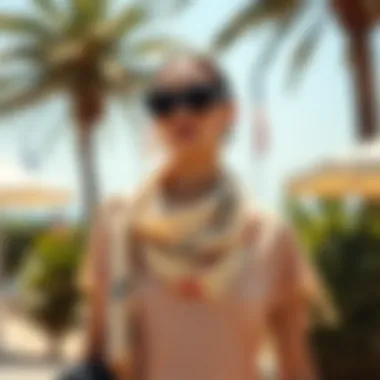
- Designed for All Occasions: Whether you're at the beach, a garden party, or a formal event, UV protection shawls can enhance almost any outfit. They can be styled simply tied around the neck or elegantly wrapped over the shoulders, giving them the versatility to fit any occasion.
- Mixing and Matching: The adaptable nature of UV protection shawls means they can be worn with numerous different garments, making them a smart investment. Favorite color combinations might change with the seasons, but a neutral or elegantly patterned shawl can harmonize with any wardrobe.
Incorporating UV Protection Shawls into Your Wardrobe
In today’s fashion landscape, UV protection shawls have transformed from mere practical accessories into must-have items that blend functionality with style. As concerns over sun safety rise, it has become increasingly important to not just wear sunscreen but also to incorporate garments that actively shield against harmful UV rays. In essence, adding UV protection shawls to one’s wardrobe represents a proactive approach to health, while still maintaining an aesthetic appeal. This section explores how to seamlessly include these shawls into one’s daily attire, highlighting the benefits and considerations involved.
Layering Techniques
Layering is an art, particularly when it comes to integrating UV protection shawls into your outfit. The beauty of these shawls lies in their versatility, allowing for a range of styles and combinations. Here are some techniques that can enhance your daily wear while providing that much-needed UV safeguard:
- The Classic Over: Drape the shawl over your shoulders as a chic wrap, ideal for evenings or cooler days. This method not only adds an extra layer but also adds elegance.
- Belted Look: Use a belt to cinch the waist, turning an ordinarily loose-fitting shawl into a structured piece. This approach can create an hourglass silhouette that's flattering and fashionable.
- Underneath Outerwear: In chilly weather, consider wearing a UV protection shawl underneath a jacket. This layering traps warmth while simultaneously offering sun protection when you’re stepping out in the sun.
- Focal Point of Interest: Choose vibrant patterns or colors to let the shawl be the centerpiece of your outfit. Combine it with neutral clothing to create a balanced look.
Mastering these layering techniques not only enhances the aesthetic of your wardrobe but also helps emphasize the health benefits these shawls bring.
Color Coordination Tips
Selecting the right colors when incorporating UV protection shawls can elevate your entire outfit. There are some key pointers to ensure you achieve a harmonious look:
- Color Wheel Magic: Understand the color wheel, especially complementary and analogous colors. For example, pairing a soft blue shawl with a warm orange dress creates a visually appealing contrast.
- Seasonal Hues: Use seasonal colors to guide your choices. For instance, pastel shades work beautifully in spring, while rich jewel tones could be perfect for autumn.
- Mixing Patterns: If your shawl has a bold print, consider balancing it out with solid, muted tones in your clothing. This tactic can prevent your outfit from feeling cluttered.
- Monochrome Looks: A monochromatic outfit with varying shades of one color, such as deep green, can create an effortlessly sophisticated vibe while allowing a UV shawl in a slightly different shade to stand out elegantly.
Selecting colors that not only look good but also fit the occasion can truly transform your style. Just remember, the right color choices can enhance both your aesthetic and protection from the sun.
Embracing UV protection shawls adds an intriguing layer to stylistic expression, showcasing that functional fashion can indeed resonate with elegance.
By focusing on smart layering techniques and thoughtful color coordination, one can effectively incorporate UV protection shawls into their daily wardrobe. It’s not just about avoiding the sun's harmful rays; it’s about making a fashion statement that browses through the practical choices of contemporary life.
Caring for UV Protection Shawls
When it comes to UV protection shawls, the way we care for them is just as crucial as their design and materials. These garments not only need to look good, but if we want them to perform effectively against harmful UV rays, we must take proper care of them. Neglecting maintenance can lead to reduced functionality, which, considering what they’re meant to do, is not ideal. Therefore, understanding caring techniques is key.
Washing and Maintenance
Proper washing and maintenance of your UV protection shawls preserve their protective qualities and keep them looking sharp.
- Check Labels: Always begin by checking the care labels. Fabrics can vary widely in terms of weight, weave, and textile applications. Most shawls can withstand gentle washing, but it helps to be sure.
- Gentle Cycle: Use a gentle cycle with cold water when machine washing. Hot water can weaken fibers and reduce UV protection features. If you're worried about colors running, tossing in a color catcher might also be a good idea.
- Mild Detergents: Opt for a mild detergent. Harsh chemicals can strip the coatings that provide UV protection.
- Air Drying: Instead of using a dryer, hang your shawl out to air dry. A direct sun exposure might seem counterintuitive here, yet it’s often best to avoid exposing synthetic shawls to intense heat, which could change their structure.
- Ironing: If you need to iron out wrinkles, keep the iron on a low setting and ideally, iron it inside out to protect any fabric coatings.
Taking these steps not only prolongs the lifespan of the shawl but ensures it continues to deliver on that UV protection, keeping you safe as well as stylish.
Storage Recommendations
Correct storage of your UV protection shawls is another vital consideration. It doesn’t help to take great care of the shawl during its active use only to store it improperly.
- Cool, Dry Place: Store your shawl in a cool, dry place, away from direct sunlight to prevent color fading and fiber breakdown.
- Fold with Care: Rather than hanging, which could stretch the fabric, folding flat is often best. This prevents distortions and maintains the integrity of the textile.
- Avoid Plastic Bags: It might be tempting to stash them away in plastic bags for protection but opt for breathable cotton bags instead. This allows the fabric to breathe and prevents mildew which can occur in a damp environment.
- Separate Storage: If you have several UV protection shawls, try not to pile them on top of each other. This avoids creasing and crushing any delicate designs or patterns.
These careful storage practices will keep your shawls snug and ready for the next sunny day. Good maintenance and storage keep your UV protection shawls both effective and stylish, allowing you to remain at ease in the sun.
Eco-Friendly Aspects of UV Protection Shawls
In today’s world, where environmental concerns are gaining momentum, eco-friendly fashion has emerged as a vital aspect of consumer choice, particularly in categories like UV protection shawls. These garments not only serve as a barrier against harmful UV rays but also reflect a growing awareness of sustainability in fashion. When choosing a style that compliments your wardrobe and promotes health, considering eco-friendly alternatives is both beneficial and responsible.
Sustainable Materials
The materials used in UV protection shawls play a significant role in their overall environmental impact. Many brands have shifted towards sustainable fabrics, focusing on those that are both eco-conscious and capable of providing effective sun protection.
- Organic Cotton: This material is grown without synthetic pesticides, which lowers the chemical runoff that can harm local ecosystems. It’s biodegradable and adds a soft touch to the shawls, making them comfortable for long wear.
- Recycled Polyester: By transforming plastic waste into high-quality fabrics, recycled polyester reduces the need for virgin production, thereby conserving resources. This method significantly lessens the carbon footprint associated with fabric manufacturing.
- Tencel: Made from sustainably sourced wood pulp, Tencel provides a natural alternative to traditional fabrics. It is produced in a closed-loop system that recycles water and solvents, showcasing a commitment to eco-friendly practices.
New trends in sustainable fabric technology are showing great promise for the future of UV protection shawls. It’s crucial to research and prioritize brands that use these materials and adopt fair labor practices.
Environmental Impact of Fabric Production
The process surrounding the production of fabrics for UV protection shawls often has a hefty environmental price tag. Understanding this can sway purchasing decisions and help individuals make informed choices that align with their values. Here’s how fabric production can affect the environment:
- Water Consumption: Traditional textile production can be a thirsty process, significantly straining local water resources, especially in regions already facing water scarcity. Opting for brands that utilize water-efficient practices can mitigate some of this impact.
- Chemical Pollution: Conventional dyeing and finishing processes often involve harmful chemicals that can leach into waterways, adversely affecting aquatic life and communities. Brands that adopt eco-friendly dyes reduce this risk substantially.
- Energy Use: The energy required in producing and transporting fabrics contributes to greenhouse gas emissions. Supporting companies that source materials locally or use renewable energy sources can create a direct positive impact on the environment.
"Choosing to wear UV protection shawls made from sustainable materials isn’t just about personal style; it’s a statement of responsibility for the earth and its future."
By being cognizant of these factors, consumers can play their part in combating climate change while still enjoying the benefits of fashionable UV protection. As we look ahead, the integration of eco-friendly practices into the broader fashion industry is not only desirable but necessary for sustainable growth.
Cultural Perspectives on Protective Fashion
The significance of cultural perspectives surrounding protective fashion transcends mere aesthetics or trends; it interweaves with a rich tapestry of history, identity, and societal norms. Understanding how various cultures approach sun protection through fashion provides vital insights into not only the practicality of garments like UV protection shawls but also their symbolic significance. These garments often embody a convergence of functionality and cultural expression, marking their place in a diverse fashion landscape.
Traditional Usage Around the World
Across the globe, different cultures have long recognized the necessity of protecting oneself from the sun's harsh rays. In many regions where the sun shines relentlessly, protective attire has evolved into an integral part of local wardrobes.
- Middle Eastern Region: In countries like Saudi Arabia and UAE, women often don wraps that not only provide shade but also reflect their rich traditions. The lightweight abayas, often paired with headscarves, harmonize functionality and cultural heritage.
- South Asia: In India, men and women alike use dupattas and shawls for protection against sun exposure. These garments, made from breathable fabrics, offer both a shield from UV rays and an expression of local artisan craftsmanship.
- Africa: In places like Kenya, kanga wraps serve a dual purpose. They protect against both the sun and insects, and vibrant prints are a canvas for storytelling and cultural significance.
These examples illustrate that protective fashion is not just about safeguarding the skin but also about preserving cultural narratives and practices, often passed down through generations.
Modern Interpretations
As society becomes increasingly aware of health and environmental issues, the demand for UV protection shawls has surged. Fashion designers are now reimagining these traditional garments, melding cultural motifs with contemporary design. The aim is to produce shawls that not only serve as a protective layer against UV rays but also fit seamlessly into modern wardrobes.
- Urban Integration: Urban environments have seen the rise of stylish UV protection shawls, often characterized by sleek designs and innovative materials. Brands are focusing on minimalism and functionality, allowing these shawls to complement both casual and dressy outfits.
- Eco-Conscious Fashion: With a greater emphasis on sustainability, modern interpretations incorporate eco-friendly fabrics. Shawls made from organic cotton or recycled materials not only promote skin safety but also cater to a growing appreciation for environmental responsibility.
- Global Influences: A fascinating blend of global inspirations fuels contemporary designs. The mix of patterns and styles often reflects multicultural influences, indicating a shift towards inclusivity in fashion.
"Protective fashion is evolving. It's not merely about sun safety anymore; it's a statement about identity, sustainability, and cultural pride."
In summary, exploring cultural perspectives on protective fashion reveals a deeper narrative that surrounds UV protection shawls. These garments are not only practical but are laden with stories, combining tradition and modernity in an engaging way.
Trend Analysis: The Rise of UV Protection Apparel
The trend of UV protection apparel is not just a fleeting phase in the fashion landscape—it’s a significant shift reflecting a broader awareness of health and style coexistence. As we delve deeper into this theme, we uncover how the rising demand for UV protection shawls emerges as more than just a trend; it’s a cultural statement about prioritizing one’s well-being while maintaining personal style.
Market Growth and Consumer Demand
The increase in awareness regarding skin health due to prolonged sun exposure is visible in the growing market for UV protection clothing. More consumers are seeking out products that provide not only aesthetic value but also functional benefits. UV protection shawls have gained popularity particularly among outdoor enthusiasts, travelers, and even casual beach-goers.
- Consumer Awareness: There’s a notable uptick in consumer education regarding the dangers of UV rays. People are now more informed about skin cancer and other related health risks, making them proactive in seeking protective clothing.
- Diverse Demographics: The potential buyers span across various demographics. From fashion-conscious individuals to parents looking for sun safety for their children, everyone seems to be part of this market evolution.
- Global Impact: This isn’t confined to one region; it’s a global trend. Countries with high UV exposure are seeing a robust market for protective apparel, adapting to local styles and needs.
The result? We’re witnessing a surge in the availability of UV protection shawls, catering to an eager audience ready to blend safety with fashion.
Brand Innovations in UV Protection
With the upsurge in demand, brands have begun to rise to the occasion, putting innovation and creativity at the forefront of their offerings. The fashion industry is now seeing collaborations between textile manufacturers and fashion labels, leading to fresh, stylish solutions that appeal broadly.
- Technological Advancements: Companies are investing in research to develop fabrics with enhanced UV protection capabilities, ensuring that garments remain lightweight while offering maximum defense against harmful rays.
- Unique Designs: Innovative designs are no longer limited to color schemes and patterns; brands are experimenting with reversible options, multifunctional styles, and even incorporating pockets for added utility.
- Sustainability: As brands innovate, many are adopting eco-conscious practices, producing UV protection shawls from sustainable materials. This aligns with consumer values regarding environmental responsibility.
The collaboration between health awareness and fashion sensibility sets the stage for a promising future.
"The rise of UV protection apparel marks a crucial intersection between personal health and vibrant style, redefining the textiles industry."
In summary, the trend analysis indicates that UV protection shawls are not merely accessories but essential components of modern wardrobes. They embody a growing cultural trend where fashion meets function, setting the tone for more innovative products in the future. As we explore further, understanding this landscape becomes critical for consumers and industry players alike.
Personalizing Your UV Protection Shawl Experience
Personalizing your UV protection shawl is much more than just a way to express your individuality; it's about enhancing both style and function. In a world where convenience and aesthetics coexist, custom-designed shawls offer a unique blend of protection from harmful sun rays and a tailored look that complements your identity. Choosing specific features that best suit your lifestyle not only elevates the accessory but also ensures that you’re comfortable and protected during your outdoor ventures.
Consider the Benefits: When you think about personalizing your UV protection shawl, it’s crucial to take into account several benefits. First off, a custom fit can elevate your comfort level—they're designed to suit your body shape, making it easier to wear in a variety of situations without feeling bound or restricted. Also, personalized colors and patterns can reflect your distinct tastes, making it a true extension of who you are.
Of course, there’s more to it than just aesthetics. Having the right features can enhance both the protective qualities of your shawl and its durability. Some elements to consider might include:
- Size Options: The ability to choose your shawl size ensures a better fit, allowing for optimal coverage.
- Fabric Choices: Different materials have varying levels of UV protection. Opting for a specific fabric can cater to your climate or activity level.
- Patterns and Colors: Picking a design that resonates with your personal style can make a significant impact on how you pair the shawl with your wardrobe.
"A well-chosen shawl acts as both a shield against the sun and a statement of personal style."
Custom Designs and Options
When it comes to custom designs for UV protection shawls, the possibilities are endless. Brands today offer a range of customizable features that allow you to choose exactly how your shawl looks and functions. It goes far beyond mere selection; it's about co-creating an accessory that fits seamlessly into your lifestyle.
- Printed Designs: Many prefer shawls featuring bold graphics or understated prints. You can have a unique graphic printed that refers to an event or places you love.
- Textured Fabrics: For those who appreciate a tactile experience, choosing textured fabrics adds a sensory element that enhances the wearing experience.
Furthermore, with evolving technology, some brands now allow for ordering shawls with embedded UV sensors, letting you keep track of sun exposure in real-time.
Consultation with Fashion Experts
Consulting with fashion experts can significantly enhance your experience in selecting a UV protection shawl. Experts can provide insights into the latest trends, practical styling tips, and key considerations when picking out a shawl that meets both your taste and protection needs.
- Personal Style Assessment: Fashion consultants can help identify your style preferences and advise you on colors and patterns that best fit your personal aesthetic.
- Integration Tips: These professionals can also offer advice on how to seamlessly integrate a UV protection shawl into your existing wardrobe, ensuring versatility and consistent wear.
Moreover, scheduling a consultation can also offer the chance for fitting sessions. Having a professional to guide you through the fitting process ensures you'll choose a shawl that won’t only protect but also flatter your form.
Influencer and Celebrity Endorsements
Influencer and celebrity endorsements play a crucial role in shaping trends and consumer behaviors in fashion today. The modern fashion landscape is not just about beautiful garments; it’s also about who wears them and what these choices signify. UV protection shawls, in this context, are not merely items for sun protection; they have transformed into status symbols that reflect a blend of health consciousness and personal style. When high-profile figures incorporate these shawls into their wardrobes, it elevates their visibility as fashion staples and reiterates the importance of UV safety.
Higher visibility leads to increased consumer interest. Influencers, with their cultivated followings on social media platforms, have the power to introduce UV protection shawls in a manner that resonates with their audience. Their authentic recommendations can change perceptions about these shawls, encouraging people to see them as fashionable and necessary rather than as mere protective wear. Emerging data shows that product placement and endorsements by trusted figures can significantly boost sales.
Prominent figures often collaborate with brands to showcase the latest designs, share styling tips, and demonstrate the versatility of UV protection shawls in various settings—from beach outings to urban escapades. Their ability to reach diverse demographics makes their endorsements even more impactful. As followers aspire to imitate their favorite personalities, they’ll likely invest in similar shawls, primarily to keep up with trends while being sun-smart.
"The modern consumer does not just buy a product; they buy a lifestyle, a story, and a dream—figures in the spotlight bring these narratives to life."
How Influencers Use UV Protection Shawls
Influencers leverage their presence to showcase the multi-functional aspects of UV protection shawls, often highlighting both aesthetic appeal and protective qualities. For instance, a fashion influencer might feature a chic shawl in their daily outfits, pairing it with casual summer wear, sporting it on a picnic, or even draping it elegantly while attending rooftop gatherings.
By using different social media formats, such as Instagram videos or TikTok clips, they creatively demonstrate how to style these shawls. These visuals might include:
- Wrap styles: Showing various wrapping techniques that ensure maximum protection while maintaining a fashionable look.
- Color palettes: Presenting how diverse hues and patterns can complement different skin tones and summer outfits.
- Layering tips: Offering advice on how to layer UV protection shawls with other accessories like hats or sunglasses, painting a complete sun-safe picture.
- Real-life scenarios: Documenting their experiences in sunny locales, thereby emphasizing the practicality of wearing a UV protection shawl outside.
Such engaging content can transform how consumers perceive UV protection shawls, moving them beyond simple accessories to essential elements of a stylish wardrobe.
Celebrity Fashion Statements
Celebrities often serve as trendsetters, and their choices significantly influence public perceptions and attitudes towards fashion items, including UV protection shawls. A favorite example is when a well-known actress dons a colorful UV protection shawl at a red carpet event. This act not only makes headlines but sends a clear signal about prioritizing skin health in fashion circles. Moreover, it showcases that UV protection doesn’t need to sacrifice style; rather, it can enhance the overall elegance of an outfit.
In many cases, when celebrities choose to incorporate UV protection shawls into their looks, they do so with flair. They often opt for designs that feature:
- Bold prints: Making statements that blend comfort and aesthetics while keeping skin shielded from harmful rays.
- High-fashion collaborations: Working with renowned designers to produce exclusive shawls that are as much a piece of art as they are functional.
- Personal touches: Adding their unique styling elements, sometimes even appearing in campaigns that focus on health awareness—showcasing their commitment to style and wellness.
The impact of these choices cannot be overstated. When fans see their favorite stars championing UV protection shawls, it doesn’t just inspire purchases; it cultivates a culture of sun safety and fashion sense. The conversation around UV protection expands beyond mere fabric to embody a lifestyle choice, further solidifying the importance of these shawls in modern fashion.
Potential Challenges in UV Protection Fashion
In the world of UV protection shawls, various challenges emerge that influence consumers' choices and perceptions. Understanding these obstacles is vital not only for the advancement of the fashion industry but also for ensuring that individuals make informed decisions about their sun safety and style choices. When we talk about potential challenges, it includes common misconceptions about the products and the overwhelming number of choices in the market. Both factors can impact effectively choosing the right shawl for protection against harmful UV rays, while also satisfying style needs.
Misconceptions About Effectiveness
A significant barrier in the adoption of UV protection shawls stems from the misconceptions surrounding their effectiveness. Many consumers assume that simply because a shawl appears to be lightweight or stylish, it may not serve its intended protective purpose, leading to skepticism about their capabilities. Some might think that darker colors always offer better protection, while lighter or brighter prints provide little to none, regardless of the fabric technology involved.
Interestingly, not all UV protection is visible at a glance. Shawls may utilize advanced materials that filter out harmful rays, even if their outward appearance does not suggest it. A common idiom comes to mind: don't judge a book by its cover. This rings true here, as consumers must delve deeper into the specifications and ratings of garments. Shawls can often carry high Ultraviolet Protection Factor (UPF) ratings, but this crucial information can be buried in product details, leading potential buyers to overlook beneficial options simply because they look different from traditional sun gear.
Educating consumers about **how to verify certifications **for UV protection can help dispel these myths. For instance, checking for garments that specifically mention UPF ratings in their descriptions helps solidify their protective qualities. Thus, the challenge lies in balancing the appeal of fashion with the necessity of informed choices in protection.
Market Saturation and Choices
Another pressing challenge in the realm of UV protection shawls is market saturation. With countless brands and styles flooding the market, consumers may find themselves overwhelmed by the sheer volume of choices. This abundance can induce a sense of confusion, where too many options can lead someone to postpone a purchase altogether, falling into analysis paralysis. In an attempt to do their research, potential buyers might end up grappling with product comparisons that simply complicate the process more.
Choosing the right shawl can become as intricate as picking a new smartphone amid dozens of models each promising revolutionary features. Hence, here are some considerations to keep in mind:
- Research brands known for quality UV protection and sustainable practices.
- Look for reviews that speak specifically about effectiveness, comfort, and aesthetics of the products.
- Prioritize what suits your lifestyle — some might need a shawl for beach days while others may look for daily sun protection in urban settings.
Market analysts note that branding plays a significant role in guiding consumer perception. Knowing which brands deliver real UV protection and which focus on style without appropriate safeguards can tilt the balance in making a well-informed decision. Influencer marketing can contribute to the confusion when choices are unduly glamorized without substantiated claims.
"In a saturated market, knowledge is power. A savvy consumer can cut through the noise and establish personal style while keeping sun safety front and center."
Both misconceptions and market saturation illustrate the complexities surrounding UV protection shawls, necessitating a more nuanced understanding among consumers and industry players alike. Tackling these challenges head-on will ultimately lead to more educated purchases and a clearer path toward fashionable sun protection.
Future Directions for UV Protection Shawls
The conversation around UV protection has evolved to encompass more than just health. It's becoming a paramount concern in the realms of fashion, sustainability, and individual empowerment. As the demand for stylish yet functional attire rises, understanding the future directions of UV protection shawls becomes crucial. Not only do these garments serve to shield us from harmful rays, but they also provide a platform for innovation in material science and design. As we look to the horizon, several key elements emerge that highlight the impressive potential of these shawls in modern wardrobes.
Innovations on the Horizon
The textile industry is bustling with creative minds who continuously push the envelopes of technology. Innovations in UV protection shawls are on the brink of transforming how we think about sun safety combined with fashion. It's not just about adding a UPF label to a fabric anymore. Here are some anticipations:
- Smart Fabrics: Imagine wearing a shawl that not only blocks UV rays but also changes color based on the sun’s intensity. This would provide a visual cue, reminding wearers when to seek shade or apply sunscreen.
- Integrated Cooling Technology: Future shawls could incorporate fabrics that actively cool the body, making them even more attractive during those sweltering summer days.
- 3D Printing Techniques: Customizable shawls that are uniquely designed for individual body types can be produced from eco-friendly materials, unlocking endless possibilities for personalization and fit.
These innovations aren't merely futuristic dreams. As brands begin to explore these advancements, consumers can expect a blend of functionality and aesthetic appeal that will redefine the classic shawl.
Adapting to Changing Climate Trends
Climate change is not merely an environmental issue; it intersects with fashion in significant ways. With rising temperatures and more intense sun exposure becoming the new norm, adjusting our approach to UV protection is essential. Here’s how the market is shifting in response:
- Increased Awareness: More consumers are becoming educated about the dangers of UV rays, leading to heightened demand for protective garments. This awareness will push brands to prioritize UV protection in their designs.
- Sustainable Practices: With an eye toward environmental responsibility, future shawls are likely to blend UV protection with eco-friendly materials. Organic cotton, recycled polyesters, and biodegradable textiles will likely become staples in this sector.
- Weather Adaptability: As weather patterns become less predictable, UV protection shawls can serve dual purposes, transforming from sun shields to light layers that provide comfort during unexpected climate changes.
As we strive for more sustainable and protective solutions in fashion, the integration of adaptability within UV protection shawls will be not just beneficial, but necessary.
In summary, as UV protection shawls continue to evolve, they will not only adapt in design and functionality but will also play a significant role in a broader cultural shift toward health-conscious and environmentally friendly fashion. The future holds considerable promise for those looking to protect themselves while navigating the stylish waters of modern clothing.