The Emotional and Cultural Importance of Necklaces for Sons
Intro
When one thinks of a necklace, images of elegant yet personal adornments come to mind, but the meaning behind gifting such an ornament—especially from a parent to a child—runs deeper than mere aesthetics. This gesture encapsulates a bridge of affection, tradition, and shared memories between generations. It’s not simply about the shiny surface; it’s about the stories that are woven into each piece. In our consumer-driven society, where items often feel disposable, a necklace exchanged between a parent and child can represent something everlasting—a token of love, connection, and identity.
This article embarks on a journey through the intricacies involved in gifting a necklace from parent to child. We will explore the emotional significance attached to these gifts, scrutinize current fashion trends that influence choice, and delve into practical considerations when selecting a piece that resonates on a more profound level.
From heirloom pieces that carry familial histories to modern interpretations that flaunt contemporary designs, we aim to illustrate how a simple necklace can encapsulate a range of sentiments—from celebration to remembrance. So, let’s get started on this exploration of what it truly means to give a necklace from a parent to their child.
Understanding the Motive Behind Gifting
Gifting a necklace from a parent to child encapsulates more than just a mere exchange of material possession. It weaves together threads of affection, tradition, and personal memory. This section aims to explore the motivations behind such a cherished act, highlighting emotional connections, cultural significance, and the moments that make these gifts a true treasure.
Emotional Connections
When a parent gifts a necklace to their child, it often carries an emotional weight that resonates deep within. Such a gesture can serve as a tangible reminder of a bond that transcends mere words. Emotions are not only felt; they can be expressed through beautiful pieces of jewelry. For instance, a simple gold pendant might represent wisdom passed down through generations or a gemstone necklace could symbolize protection and guidance.
Gifting a necklace can spark memories of shared experiences, fostering a feeling of nostalgia. Think about that time you helped your child pick out their first piece of jewelry, the laughter and smiles that moment brought. Each necklace has a story – a reminder of love, support, and the lessons learned along the way. These emotional connections remain etched in the heart, influencing the child as they grow into adulthood.
Cultural Significance
Necklaces often play a pivotal role in various cultures around the globe, serving as more than just adornments. In many communities, they symbolize heritage and identity. For instance, some cultures use necklaces that are embedded with significant symbols or patterns to mark one's belonging to a particular tribe or lineage. A necklace may come adorned with charms or gemstones that have specific meanings pertinent to the family, reinforcing both cultural pride and unity.
Moreover, different cultures regard milestones—such as birthdays, graduations, or religious rites—as appropriate occasions for giving jewelry. The act of gifting a necklace during such auspicious events cultivates a sense of continuity across generations, bridging the past with the present. The symbolism behind these gifts can serve as anchors to a culture's rich tapestry, allowing children to feel grounded in their roots.
Milestone Celebrations
Every child experiences pivotal moments that mark their journey: first steps, first days of school, or even a coming-of-age ceremony. These milestones hold heartfelt memories and respective significance in a parent's eyes. Gifting a necklace during these occasions can enhance the feeling of accomplishment and support, signifying the parent’s pride.
For example, a thoughtful gesture on a child's Sweet 16 might involve a custom-designed necklace with an initial or birthstone, celebrating their unique identity and the transition into adulthood. Neclaces given on such occasions reflect love and recognition, offering not just the child a lasting memory, but also reinforcing familial bonds through a shared experience.
Ultimately, understanding the motive behind gifting necklaces from parent to child reveals layers of sentiment that transcend generations. These gifts foster emotional connections, honor cultural significance, and commemorate milestones that shape a child’s identity.
Symbolism of Necklaces
Necklaces are more than just adornments; they symbolize connections that span beyond mere fashion. In the context of gifting a necklace from a parent to child, these pieces resonate with emotions, values, and cultural significance. They weave a narrative that can be appreciated for generations. This symbolism can impart a sense of belonging, bridge cultural gaps, and mark pivotal moments in a child's life.
Meaning of Specific Materials
The choice of material for a necklace plays a considerable role in its symbolism. Each type offers distinct meanings and characteristics, impacting the nature of the connection represented.
Gold
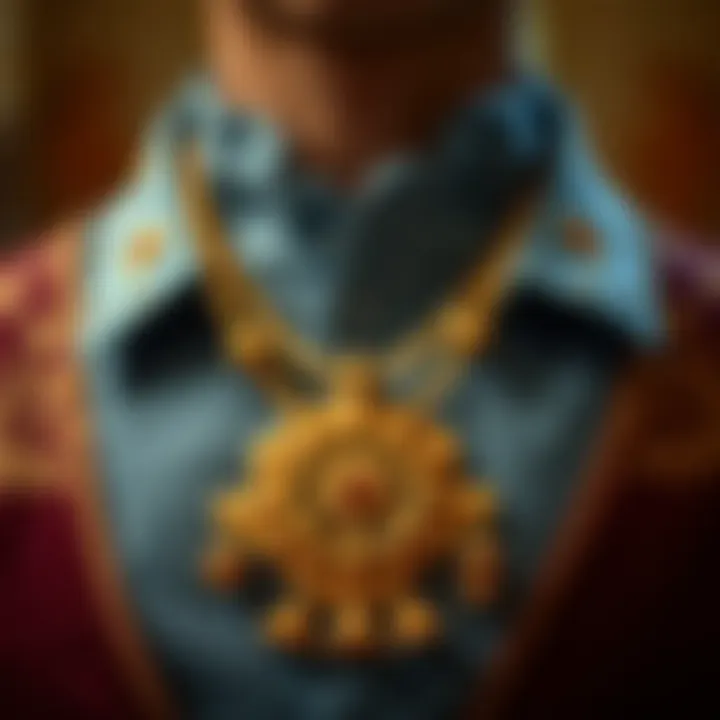
Gold has a rich history often linked with wealth and prestige. Its shimmering quality reflects light, symbolizing hope and joy. Many parents opt for gold because it’s durable, making it a lasting token for their children. Gold necklaces can serve as a rite of passage, often given during significant life events. However, the higher cost might not suit every budget.
Silver
Silver, on the other hand, embodies purity and clarity. It's an affordable option that still carries substantial meanings. Often associated with emotions and intuition, silver necklaces can be a subtle, yet powerful gift from a parent to a child. Silver tarnishes more easily than gold, which means they may need more maintenance. This necessity can be a downside for busy families.

Leather
Leather necklaces present a unique charm, suggesting ruggedness and strength. They often appeal to younger children who may appreciate a more casual or adventurous aesthetic. The tactile nature of leather can evoke a sense of warmth and comfort. However, leather may not be as enduring as metals, and might not suit every occasion or outfit.
Gemstones
Finally, gemstones in necklaces introduce personal meaning through color and lore. Each gemstone has its own story, connected to healing, love, or protection. For instance, an amethyst can symbolize calm and balance, while a citrine might convey joy and happiness. Gemstones can personalize the necklace further, but they can be delicate, necessitating careful handling.
Personalized Designs
Personalization adds another layer to the emotional weight of a necklace. From engravings to initial options, these custom designs allow for deeper connections and individual stories to be told through jewelry.
Engravings
Engravings on necklaces can transform an ordinary piece into something extraordinarily special. This customization allows parents to inscribe messages, names, or important dates. Engraved necklaces can provide a child with a sense of identity and a tangible connection to family. However, the intricate nature of engravings may add to the cost and limit design options.
Initials
Initials are a straightforward yet personal way to customize a necklace. They signify ownership and individuality. A necklace featuring a child’s initials fosters a sense of pride and personal identification. These pieces can be simple, making them approachable gifts, although they may lack the intricate storytelling of more detailed engravings.
Symbols
Symbols speak volumes without words. A necklace adorned with family crests, religious symbols, or even meaningful shapes can encapsulate significant traits or values. By gifting a symbolic necklace, parents can convey lessons of resilience, love, or unity to their children. These meaningful designs can be complex, and thus, it may take time to find a symbol that resonates deeply with a child’s character or the family’s ethos.
In sum, the choice of materials and the option for personalization in necklaces create layers of significance when passed from parent to child. Choosing the right necklace ultimately enriches the personal legacy, elevating both the piece and the relationship it symbolizes.
Choosing the Right Style
Choosing the right style when selecting a necklace for a child goes far beyond mere aesthetics. It's about aligning the piece with the child's personality, lifestyle, and the message you wish to convey. In this instance, the necklace is not merely a piece of jewelry; it becomes a vehicle for love, a marker of milestones, and a symbol of identity. Let's explore some key aspects of making the right choice.
Age Appropriateness
Choosing a necklace that suits the child’s age is critical. It can range from playful shapes that resonate with children to more intricate designs suitable for teens. For younger kids, think about simple designs, perhaps using vibrant colors or fun patterns that express their youthful spirit. A heart shape or star motif might just catch their eye and resonate with their understanding of affection.
In contrast, as children grow, the importance of presenting items that match their developing sense of identity becomes key. A more refined silver pendant with their initials might be more appropriate for a teenager, reflecting both their maturity and transcendence from childhood into adolescence. The trick is to find that sweet spot where age and style intersect without overshadowing the child’s individuality.
Trends in Children's Jewelry
Staying in the loop with the latest trends can offer insight into popular styles that resonate with children today. With a digital age at their fingertips, kids are exposed to a myriad of influences. Even a quick scroll through social media platforms can reveal the current fashion sense that peers are adopting. Items adorned with popular cartoon characters or trending themes, like animals or space, can be eye-catching for younger individuals. In contrast, older children might lean towards minimalist designs inspired by the 'less is more' philosophy that's trending among adults.
Trends possess an innate ability to influence choices, especially in a world where styles migrate swiftly. An alluring piece that reflects the trend could empower a child with confidence, fostering their unique persona.
Versatility in Design
Versatility is another important element in choosing a necklace. A piece that can transition from everyday wear to special events can provide lasting value. For example, a simple gold necklace with a pendant that can be styled differently—worn long one day and as a choker the next—can adapt to various outfits and occasions. This adaptability means that the necklace is not just a temporary adornment but something that can grow alongside the child, fitting into different phases of life.
Designs that allow for layering also add versatility. Multiple necklaces can create a distinctive style while allowing the child to express their own tastes. They can personalize their look as they combine various pieces, each telling a story or marking a moment in their life.
In summary, the style chosen speaks volumes. When selecting a necklace for a child, consider age appropriateness, current trends, and the flexibility of design. Each choice can significantly impact the heartfelt narrative that the piece weaves into the child’s life.
The Role of Necklaces in Personal Identity
When it comes to expressing oneself, necklaces can be more than just decorative pieces; they can encapsulate personal stories and life journeys. In this realm, a necklace from a parent carries added weight. It's not merely a piece of jewelry; it's an extension of heritage, experience, and affection. The gifting of a necklace serves as a bridge connecting the past with the future, allowing the child to relate to their roots while forging their unique identity.
Self-Expression
Self-expression is an essential component of personal identity. The role of a necklace in this adventure is significant. A child wearing a necklace gifted from a parent may not just see it as a fashionable accessory, but as a pivotal element of their identity. The very act of wearing something meaningful can enhance their self-esteem and give them a sense of belonging.
For instance, if a parent gifts a necklace with specific charms that represent hobbies or interests, it allows the child to celebrate those passions openly. They could wear a pendant shaped like a guitar if music is their forte, or opt for a heart if creativity flows through their veins. Such choices articulate personal inclinations without needing words, allowing the child to assert their identity confidently among peers.
Moreover, this can lead to engaging conversations; friends might ask about the necklace, prompting the child to share stories about its significance. Thus, a seemingly simple gift evolves into a conversation starter, enriching social interactions and fostering connections through shared experiences or interests.
Cultural Heritage
The significance of necklaces extends into cultural heritage as well. Different cultures have varied ways of intertwining jewelry into their traditions. For a parent to gift a necklace might symbolize the transmission of cultural values and beliefs. For example, a Native American necklace featuring specific beads often holds meaning related to the tribe's history or teachings passed from generation to generation. This connection to one's roots encourages the child to appreciate where they come from, structuring their personal identity around a broader cultural narrative.
Essentially, wearing a necklace that represents one’s heritage can evoke a sense of pride. It makes the child feel part of something larger than themselves, instilling a sense of responsibility to uphold and honor family traditions. By recognizing the stories embedded within each piece of jewelry, children gain insight into their ancestry and cultural narratives.
Embracing traditions through jewelry not only preserves memories but also inspires future generations to cherish their roots.
In summary, necklaces gifted from a parent play a pivotal role in shaping a child's personal identity. Whether through avenues of self-expression or the appreciation of cultural heritage, these pieces signify more than just adornment. They are symbols of connection that deepen the relationship between parent and child while empowering the latter to explore and embrace their individuality.
Practical Considerations in Necklace Selection
When selecting a necklace as a gift from parent to child, several practical aspects come into play. It’s not merely about the aesthetic appeal or the brand name; it’s about ensuring that the piece can withstand the test of time, both in terms of durability and personal relevance. By addressing these practical considerations, parents can ensure their gift is both meaningful and functional.
Durability for Active Lifestyles
Children are not the most delicate beings. They run, play, and engage in a multitude of activities that could potentially put a necklace at risk. Therefore, durability becomes a key factor in selection.
When considering a necklace for a child, materials matter immensely. Options like stainless steel, silicone, or even leather might provide that extra layer of resistance against wear and tear. Stainless steel is particularly beneficial as it doesn’t tarnish easily and can handle rough housing without bending or breaking.
Additionally, the design should be practical. Consider pieces that have secured clasps rather than flimsy ones that might break upon tugging. A sturdy chain that is neither too thin nor too thick will hold up against the bumps and knocks of daily adventures. Engaging with manufacturers or jewelers who specialize in children’s jewelry can lead to discovering kid-friendly styles that marry resilience with charm.
"Choosing a durable necklace isn't just smart—it's essential for preserving memories as children grow."
Hypoallergenic Options
It’s essential to be sensitive to a child’s skin, as many kids experience allergies to certain metal types. Selecting a hypoallergenic option minimizes the risk of reactions like rashes or discomfort.
Materials like surgical-grade stainless steel, titanium, or even high-quality gold can significantly lessen allergy triggers. It’s wise to ask about the metal composition if unsure. Some necklaces are plated but made from different base metals, which can cause irritation.
Before purchasing, parents can feel free to test the metal’s quality. A short wear period at the store can reveal attitudes your child may have towards the material. This precaution is especially vital for younger children, who will unknowingly scratch or pull at an uncomfortable piece.
Size and Fit

Size and fit are absolutely critical in ensuring that the necklace remains comfortable for day-to-day wear. A necklace that hangs too low might get tangled or pulled, while one that’s too tight can cause discomfort.
When measuring for the right fit, it’s a good idea to take precise measurements of the child's neck. Generally speaking, choker styles sit closely, while longer chains allow for more movement. Furthermore, adjustable features can be a game-changer, granting room for growth—something that’s particularly valuable when gifting to young children.
Even styles that come with detachable or extendable links can accommodate growth spurts, making them a sensible choice. This way, a necklace can adapt with time, something that’s both practical and symbolic of the changing nature of childhood.
By tackling these practical considerations head-on, a parent can create a gift that doesn’t merely serve as an accessory, but as a resilient, thoughtful piece that mirrors the uniqueness of the bond shared.
Maintaining and Caring for Necklaces
When it comes to gifting a necklace from parent to child, the thought behind the piece is often what resonates most. However, as with any cherished item, maintaining and caring for necklaces is crucial in preserving their beauty and significance over time. This section dives into techniques that not only keep the necklace in pristine condition but also enhance its emotional value, ensuring that it remains a treasured heirloom across generations.
Cleaning and Maintenance Techniques
Cleaning a necklace is more than just a chore; it's a ritual that tells a story of love and memories. Over time, necklaces can gather dust or tarnish, diminishing their sparkle and charm.
- Know Your Materials: Different metals and stones require unique care. For instance, gold necklaces can be cleaned with warm soapy water, while silver may need a specialized cleaner to avoid excess tarnishing. Always check the specific care instructions.
- Soft Touch: Use a soft cloth to gently wipe down necklaces after each wear. This can prevent buildup and keep the shine alive, allowing for a daily reminder of the gift’s emotional value.
- Professional Cleanings: Every now and then, consider taking the necklace to a jeweler for professional cleaning. This not only ensures a deep clean but also gives you a chance to check for any damage or wear that may need addressing.
By incorporating these maintenance practices, the necklace becomes not just an accessory but a symbol of enduring care and love.
Storage Solutions
The way a necklace is stored can greatly impact its longevity. Poor storage can lead to tangles, scratches, or even breakage. Below are some simple yet effective storage strategies to keep that beloved piece safe:
- Individual Pouches: Store each necklace in its own soft pouch to avoid scratches. This is especially useful for necklaces with delicate pendants.
- Jewelry Box with Dividers: Opt for a sturdy jewelry box that allows you to organize necklaces by type or occasion. The divisions prevent tangling and make finding the right piece a breeze.
- Avoid Hooks: Hanging necklaces on hooks might seem practical, but it can lead to knots and kinks. Instead, consider using a dedicated compartment system designed specifically for jewelry.
By paying attention to how a necklace is stored and maintained, parents can ensure the connection and significance tied to the gift endures beautifully over time. As time passes, these acts of care can turn a simple necklace into a timeless keepsake, rich with memories and stories to share with future generations.
"A well cared for necklace is like a love letter; it only becomes richer with age."
Beyond A Gift: Creating Lasting Memories
When a necklace is gifted from a parent to a child, it transcends mere ornamentation. It's an act laden with emotional weight. The act of gifting isn't just about providing an accessory; it's about creating memories that will linger long after the physical item has been worn. Understanding this underlying significance can transform the usual experience of giving into a profound moment that both parent and child can treasure.
"A necklace is more than a piece of jewelry; it is a vessel for emotions, memories, and connection."
Inherent in this act is the storytelling element that can accompany such gifts. Consider how the reminiscing about encounters related to the necklace can shape not only the child's perception of family ties but also their identity. The discussions about how one came to choose the piece can foster intimacy, revealing family traditions and values that might otherwise remain unsaid.
Sharing the Story Behind the Necklace
Every necklace comes with a tale. Whether a parent chooses to impart the story of how they discovered the perfect piece or share tales from their own childhood, this narration serves to strengthen the bond between generations. This can be the moment when a son learns about his family heritage, the trials and triumphs of his ancestors—tales etched not just into history but into his very being through the act of wearing the necklace.
In many cases, the stories attached to jewelry serve as a connection point. For instance, a necklace with a certain gemstone may remind a parent of an adventurous trip they took or an important achievement they celebrated. Every parent has anecdotes that can evoke smiles or even tears, cementing the necklace's significance in the child's life as a constant reminder of familial love and history.
To illustrate, consider a simple silver chain gifted alongside a narrative about a grandmother who wore a similar piece during family gatherings. This detail doesn’t just add sentimental value; it transforms the necklace into a tangible link to the past that the child can carry into the future.
Creating Traditions
The act of gifting a necklace can also be the catalyst for new traditions. Creating rituals around this practice ensures that the stories get passed down and that they evolve with time. Perhaps every milestone, like a birthday or graduation, deserves a new necklace that symbolizes growth and achievement, attaching each piece to a specific moment.
These traditions not only form an ongoing emotional connection but also instill a sense of belonging. When the practice becomes a regular occurrence, it cultivates a culture where memories are continually retold, helping the child understand that they are part of something larger—an ever-continuing lineage of love and care.
Consider allocating a special day each year when a parent recounts the stories behind previous necklaces given, enhancing the emotional fabric that binds the family together. This evolution from a simple gift to an annual tradition solidifies the importance of the necklace, making it a lasting emblem of family connection and heritage.