
Faux Hawaiian Flowers: A Fashionable Fusion of Style
Intro
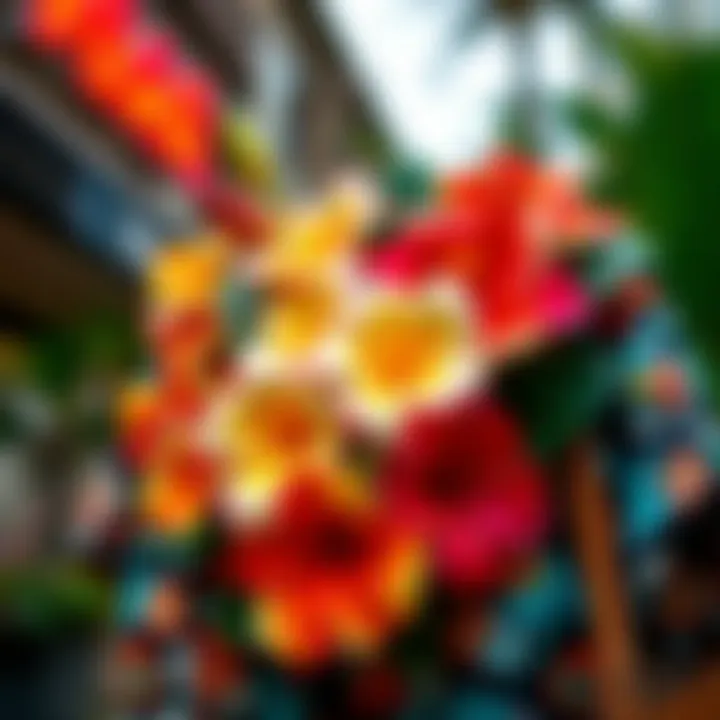
Faux Hawaiian flowers have blossomed into a significant trend within the fashion landscape. Their appeal spans beyond mere aesthetics; they encompass a blend of style, sustainability, and cultural relevance. Novel and versatile, these artificial blooms allow enthusiasts to embrace the vividness of Hawaiian flora without the environmental concerns that sometimes accompany natural alternatives. In essence, they offer a vibrant splash to any wardrobe while encouraging an eco-conscious approach to fashion.
As we venture deeper into this topic, it becomes essential to understand how these faux pieces integrate not only into current looks but also how they stand the test of passing trends. The impact of faux Hawaiian flowers on individual styles, as well as their broader implications for sustainable fashion, deserves a thorough exploration. This journey will enlighten readers on the dynamic intersection of these flowers and contemporary fashion, promoting awareness and appreciation for their roles.
Fashion Trends
The explosion of faux Hawaiian flowers on the fashion stage reflects the broader movement toward vibrant, bold expressions of self through clothing and accessories. From vibrant prints to eye-catching embellishments, these flowers have become symbols of individuality and relaxed elegance.
Current Seasonal Trends
In recent seasons, the incorporation of faux Hawaiian flowers aligns well with trends celebrating playful aesthetics and bold color palettes. Taking cues from tropical getaways, designers have effortlessly infused their collections with floral motifs. Here are some of the current trends:
- Bold Floral Prints: Dresses and shirts adorned with oversized Hawaiian flowers are making a major comeback.
- Accessories Galore: Faux floral headbands, brooches, and earrings feature prominently, enhancing minimalist outfits with lively details.
- Layering: Combining floral pieces with different textures, from denim to chiffon, breathes new life into classic outfits.
Influential Styles and Icons
Icons in the fashion world often take center stage, showcasing how faux Hawaiian flowers add flair to their looks. Musicians, actors, and influencers alike embrace these elements, showcasing versatility in style. One such example is international sensation Dua Lipa, who was seen donning a floral-patterned kimono jacket that instantly captivated audiences. Similar styles can be spotted on social media platforms, where influencers pair faux Hawaiian flowers with everyday attire, presenting viewers with countless ways to incorporate these pieces into their wardrobes.
"Fashion is about creating a world filled with color and life, and faux Hawaiian flowers do just that."
Their influence encourages a wave of creativity among up-and-coming designers and everyday fashion enthusiasts alike.
Wardrobe Essentials
To fully appreciate the allure of faux Hawaiian flowers, it is crucial to consider the essential pieces that can transform an ordinary wardrobe into a tropical escape.
Must-Have Pieces for Every Closet
Integrating faux Hawaiian flowers into your wardrobe does not require overhauling your entire closet. Instead, thoughtful selections can elevate existing pieces. Here are some essentials:
- Faux Flower Blouse: A classic statement piece that can pair effortlessly with denim or tailored shorts.
- Printed Skirts: Look for high-waisted options that emphasize your waist, perfect for summer outings.
- Floral Earrings or Necklaces: Smaller accents that add flair without overwhelming an outfit.
Timeless Versus Trendy Items
When investing in items featuring faux Hawaiian flowers, it is pivotal to discern what is timeless versus what is merely trendy. While trendy pieces might dazzle now, timeless items offer longevity and versatility.
- Timeless: Items like floral maxi dresses and classic blouses are versatile additions.
- Trendy: Crop tops or more experimental patterns may eventually fade in popularity but can provide temporary vibrancy.
In viewing faux Hawaiian flowers through this lens, potential buyers can balance their impulse for trends with the wisdom of investing in style staples that endure.
Prologue to Faux Hawaiian Flowers
Faux Hawaiian flowers have become an innovative force in the realm of fashion, transcending their ornamental roots to emerge as an essential component in modern style. They offer designers and wearers alike a palette of vibrant colors and intricate designs that evoke the beauty of tropical landscapes, without the ethical and practical concerns tied to natural florals. As the fashion world continues to evolve, the allure of these artificial blooms is hard to overlook, making them a noteworthy topic in today's conversations.
The benefits of faux Hawaiian flowers extend beyond aesthetic pleasure. Their durability means they withstand the test of time compared to real flowers, which wilt and fade. Additionally, these materials offer versatility; they can be incorporated into a myriad of fashion pieces, from casual beachwear to high-end couture. Given the increasing emphasis on sustainability in the industry, faux flowers also present a compelling argument for eco-conscious consumers. Using synthetic alternatives aids in reducing the environmental impact that comes with sourcing and cultivating real flowers.
Fashion enthusiasts and casual shoppers alike are drawn to the captivating patterns and motifs that faux Hawaiian flowers provide. This article will delve into various aspects, including how these floral designs captivate designers, influence consumer preferences, and contribute to the ongoing dialogue about cultural representation in fashion.
The journey into the world of faux Hawaiian flowers invites readers to explore not just their visual appeal but also the deeper significance they hold within fashion today.
Defining Faux Hawaiian Flowers
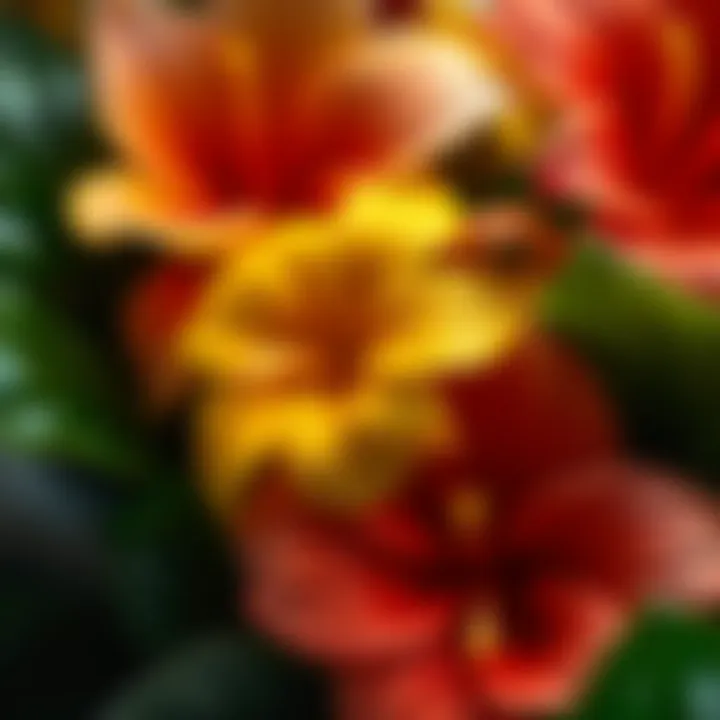
Faux Hawaiian flowers are synthetic imitations of the vivid and diverse flora found in Hawaii. Ranging from vibrant hibiscus blooms to delicate orchids, these artificial flowers are crafted using materials like silk, polyester, or latex. They are carefully designed to replicate the colors and forms of their natural counterparts, often making it difficult to distinguish them from real blooms. Additionally, the longevity of these flowers means they can maintain their beauty season after season.
In various fashion contexts, faux Hawaiian flowers serve as embellishments on clothing, accessories, and even footwear. They can adorn everything from casual t-shirts to elegant evening gowns, providing a tropical escape from the typical palette of mainstream fashion.
Origins of Hawaiian Floral Design
Hawaiian floral design has a rich history intertwined with the culture and traditions of the islands. The use of flowers in Hawaiian culture dates back centuries, playing a significant role in rituals, celebrations, and everyday life. The preserved culture places immense value on the beauty and symbolism of native blooms, such as the plumeria and the hibiscus. Indigenous people often adorned themselves with graceful floral leis, which symbolize love, hospitality, and respect.
Through colonization and globalization, Hawaiian floral imagery began to weave itself into broader artistic and fashion expressions. Designers from around the globe have drawn inspiration from the lush landscapes of Hawaii, incorporating floral motifs into their collections. As a result, faux Hawaiian flowers have found their way into high fashion and street style alike. Today, they stand as symbols of the allure of the islands while allowing for a more inclusive and sustainable approach to fashion design.
These faux flowers are more than just a fashion statement; they reflect a connection to nature, celebrating the breathtaking beauty of Hawaii while promoting sustainability.
The Aesthetic Appeal of Faux Flowers
Faux Hawaiian flowers bring a unique flair to fashion, representing not just beauty but also versatility and creativity. Unlike their real counterparts, these artificial blooms offer a lasting charm without wilting or fading. Their appeal goes beyond mere decoration; they embody an aesthetic that resonates with many fashion enthusiasts, casual shoppers, and stylists alike. By integrating faux Hawaiian flowers in clothing, designers draw upon intricate colors and patterns that capture the essence of tropical paradises. The incorporation of vibrant floral designs into garments creates ensembles that are not only visually striking but also full of character.
Visual Impact in Fashion
When it comes to making a statement, faux Hawaiian flowers do not shy away. The visual impact they have in fashion is truly profound. Imagine a flowing dress covered in lush hibiscus patterns or a sleek blouse featuring delicate plumeria designs. Such choices can evoke a sense of escapism, transporting the wearer to sun-soaked beaches and gentle ocean breezes. This transformation is done simply by donning an outfit embellished with these expressive blooms.
What’s more, faux flowers come in various textures and colors, allowing for flexibility in design. This opens up a treasure trove of options for designers. The colors, such as deep emerald greens paired with boldly colored petals, create dynamic contrasts that can turn heads in any setting. Outfits adorned with these flowers can be spotted from a mile away, standing out against more subdued fashion trends.
"Faux Hawaiian flowers allow the fashion-forward individual to celebrate nature elegantly, making them a go-to choice for eye-catching styles."
Symbolism of Floral Patterns
Floral patterns have long been associated with our connection to nature, love, and beauty. The symbolism brought forth by faux Hawaiian flowers is no different. They carry rich meanings rooted in Hawaiian culture themselves. For example, the hibiscus stands for friendship and hospitality, while the plumeria is often associated with positivity and new beginnings. Wearing garments that incorporate these designs can signify one’s personality or emotions, resonating with deeper meanings while keeping style at the forefront.
Incorporating such themes into clothing allows individuals to express themselves beyond mere aesthetics. Florals can convey messages that impact moods or portray an individual’s attitude. For instance, a dress featuring bright, sunny floral prints might reflect a joyful spirit, while darker shades could hint at elegance or contemplation. This is where faux Hawaiian flowers shine—providing a canvas that reflects one's inner self while remaining fashionably forward.
Production Techniques and Materials
The creation of faux Hawaiian flowers combines artistry with innovative technology. Understanding the production techniques and materials used in crafting these floral pieces is essential for appreciating their unique appeal and versatility in fashion. The choice of materials not only influences the look and feel of the flowers but also their longevity and ease of care. Moreover, insights into the manufacturing processes can shed light on the craftsmanship that goes into each piece, thus enriching the appreciation for these stylish adornments.
Common Materials Used
When it comes to faux Hawaiian flowers, a variety of materials come into play—each chosen for its aesthetic qualities and functional effectiveness. Here are some key materials used:
- Silk: Often regarded as the gold standard in faux florals, silk offers a soft touch and can closely mimic the delicate texture of real petals. Its vibrant colors are less likely to fade over time.
- Polyester: A widely used synthetic fabric, polyester is durable and easy to clean. This material can hold vivid colors and resist stains, making it a popular choice for floral designs that need to withstand the test of time.
- Latex: For a more realistic appearance, latex can be molded into various flower shapes. It has a flexibility that mimics live flowers, capturing the subtle nuances of petal curves and textures.
- Plastic: While it might not be the first choice for high-end designs, certain plastics can achieve stunning results. They are often used for larger arrangements due to their light weight, and they can be found in a variety of styles and colors.
Choosing the right material has implications not only for aesthetics but also for environmental impact. Awareness of the materials used can guide consumers toward more sustainable choices, as some manufacturing processes are more eco-friendly compared to others.
Manufacturing Processes
The manufacturing of faux Hawaiian flowers involves several intricate steps, each playing a vital role in bringing these creations to life. Here’s a closer look at the processes involved:
- Design and Prototyping: Initially, designers create sketches or digital models of the flowers. Prototyping allows for adjustments before mass production begins, ensuring each flower aligns with the desired aesthetic.
- Material Selection: Once the design is approved, the next step involves selecting high-quality materials. Manufacturers consider factors like color fidelity and texture during this phase.
- Cutting and Shaping: After materials are selected, they are cut into specific shapes and sizes. This requires precision to ensure that petals and leaves replicate their natural counterparts closely.
- Assembly: Pieces are assembled by hand or machine. Artisans might add details like paint or texture to enhance realism. This step also includes attaching the flowers to stems or creating arrangements.
- Finishing Touches: Finally, quality checks are performed. Flowers may undergo treatments for UV resistance or to ensure color vibrancy. Any required adjustments are made before packaging for distribution.
The marriage of creativity and technology in the manufacturing processes helps faux Hawaiian flowers to flourish in the fashion world. The attention to detail during production means that consumers can enjoy durable, beautiful pieces that are as easy to care for as they are appealing.
"The artistry in faux floral manufacturing isn’t just about replication; it's about capturing the spirit of the flowers that inspire them."
Understanding these production techniques and materials equips fashion enthusiasts, casual shoppers, and stylists with invaluable knowledge. This insight enables them to appreciate not only the surface beauty of faux Hawaiian flowers but also the craftsmanship behind their creation.
Integration of Faux Hawaiian Flowers in Clothing
The integration of faux Hawaiian flowers into clothing represents not only a trend in fashion but also a celebration of vibrant culture and dainty artistry. This approach allows designers to explore their creativity while offering consumers a chance to embrace their personal style. Flowers often evoke emotions; they carry connections to warmth, nature, and exotic locales. Faux Hawaiian flowers manage to encapsulate these elements without compromising the values of sustainability that are increasingly becoming paramount in today's fashion landscape. Whether seen in understated patterns or bold, striking designs, these floral motifs accentuate garments and appeal to a diverse range of fashion preferences.
Incorporating Flowers into Garments
Dresses
In the world of dresses, faux Hawaiian flowers shine like the sun. These florals can transform an ordinary piece into something spectacular. Imagine a flowing maxi dress adorned with large hibiscus blooms. The unique characteristic here is the ability to achieve a tropical vibe without the upkeep that real flowers necessitate. Dresses featuring faux flora not only provide aesthetic pleasure but also practicality, as they are often machine-washable, enabling ease of care. However, there's a balancing act; while these vibrant patterns are striking, they can sometimes overwhelm simpler designs, requiring careful consideration in styling.
Tops
When it comes to tops, the use of faux Hawaiian flowers can range from subtle detailing to bold prints. A commonly favored choice is the button-up shirt with floral accents. The key characteristic of these tops is their adaptability; they can shift from casual wear to semi-formal with a change of accessories. Adding faux flowers here lends a touch of playfulness that enhances the garment's appeal. On the downside, they may not suit all settings, as certain workplaces expect a more muted style.
Accessories
Accessories, on the other hand, provide an excellent way to incorporate faux Hawaiian flowers without overwhelming one's look. Think flower crowns, earrings, or even handbags embellished with these faux blooms. The advantageous feature of accessories is they allow for flexibility—one can add a pop of color to a basic outfit quickly. This uncomplicated addition enables self-expression and personal style. However, a word of caution: too many floral pieces together can create a muddled appearance, so it’s wise to choose one focal piece for the ensemble.
Styling Tips for Outfits
Integrating faux Hawaiian flowers into your outfits can seem tricky at first, but here are some styling tips to effectively mix and match:
- Balance Brights with Neutrals: Pair a vividly printed dress with nude shoes to ensure the floral design takes center stage.
- Layer with Care: Use a floral top under a simple cardigan for a balanced look that doesn’t shout.
- Accessorize Wisely: Opt for one or two faux floral accessories to avoid overshadowing your outfit.
- Mix Textures: Combine faux flowers with different fabrics, such as denim or leather, to keep the aesthetic fresh and interesting.
"The key to wearing faux flowers seamlessly lies in understanding how they interact with the rest of your wardrobe."
By considering these elements, fashion enthusiasts and casual shoppers alike can confidently experiment with faux Hawaiian flowers, enhancing their style while appreciating the artistry behind these faux creations.
Cultural Considerations and Appropriation
The world of fashion often walks a tightrope when it comes to cultural considerations and appropriation, especially with elements like faux Hawaiian flowers. These vibrant floral representations carry deep-rooted significance in Hawaiian culture, symbolizing not just beauty, but also a connection to heritage and identity. Understanding this cultural context is essential for any fashion enthusiast or designer who seeks to incorporate these designs into their creations. This section delves into the nuances of cultural significance and the pressing concerns surrounding appropriation that should be at the forefront of conversations in the fashion industry.
Understanding Cultural Significance
Faux Hawaiian flowers are not merely aesthetic choices; they embody a rich narrative that reflects the traditions and values of the Hawaiian people. Historically, flowers such as hibiscus and plumeria play critical roles in ceremonies, celebrations, and daily life in Hawaii. Each hue and style holds a story and connection to the land. For instance, the hibiscus is not just admired for its beauty; it represents a spirit of love, unity, and conservation. By incorporating these motifs into fashion, designers can give a nod to the deep roots they spring from.
- Connection to Identity: For Hawaiians, floral designs often communicate personal and communal identities. Wearing these motifs in certain contexts can be a celebration of pride in one’s cultural background.
- Traditional Use in Ceremonies: Flowers signify important life events—from weddings to funerals—making their representation in fashion a sensitive topic that calls for respect and understanding.
In the context of faux flowers, there lies a duality. While these designs can promote appreciation for Hawaiian aesthetics, they can also risk oversimplifying or commodifying a rich cultural fabric. So, again, it’s crucial to approach these designs with an informed perspective and respect.
Navigating Issues of Appropriation
Cultural appropriation often rears its head when elements from one culture are adopted by another, especially when they come without an understanding of their original significance. In recent years, conversations about fashion appropriation have intensified, particularly around the use of faux Hawaiian flowers. A designer might find the bright colors and shapes appealing, but neglecting their cultural heritage can lead to misunderstandings and offense. Here are key considerations:
- Respect for Traditions: Understanding that each flower symbol carries history, and thus, should be treated with care. Designers must endeavor to learn about and respect these traditions rather than treating them as mere decorative items.
- Collaborative Opportunities: One way to navigate appropriation is through collaboration. Working with Hawaiian artists or cultural representatives can help ensure that the designs honor their original context. This enriches the fashion industry with authenticity and credibility.
- Consumer Awareness: As consumers grow more informed, they tend to seek out brands that adopt a thoughtful approach to design. Educating buyers about the significance behind faux flowers heightens awareness and appreciation, fostering a more respectful engagement with cultural elements.
"Understanding cultural contexts is not just a nice-to-have; it’s a necessity in a globally connected world, especially for those in the creative industries."
Fashion brings different cultures together but also requires a delicate balance of respect and admiration. Faux Hawaiian flowers can be used in fabulous ways to revitalize designs, but they must always carry their cultural stories intact to truly shine in the spotlight.
Sustainability in Fashion
The fashion industry is evolving, with sustainability becoming a cornerstone of modern practice. Faux Hawaiian flowers shine in this realm, offering a striking alternative to their organic counterparts. As more consumers demand eco-conscious options, the shift towards sustainable fashion is not just a trend; it’s a necessity. The use of faux flowers in clothing and accessories addresses various environmental concerns, promoting an eco-friendly approach to style without sacrificing beauty.
Incorporating faux flowers into fashion can significantly reduce the ecological footprint. The cultivation of real flowers requires vast amounts of water, pesticides, and land, all of which contribute to environmental degradation. In contrast, faux alternatives alleviate these pressures. Choosing synthetic blooms helps save our natural resources while allowing wearers to embrace the beauty of vibrant floral designs throughout the year.
Environmental Impact of Faux vs. Real Flowers
When considering the environmental factors, the impact of faux flowers versus genuine flora is crucial. Real flowers, while beautiful, often come with a hefty environmental bill. They contribute to several issues, such as:
- Water Consumption: Growing lush and vibrant flowers uses immense water resources, particularly in areas where drought is prevalent.
- Pesticides and Chemicals: The agriculture involved in flower production typically relies on harmful pesticides, which can leach into groundwater and harm local ecosystems.
- Transportation Emissions: Many flowers cultivated for fashion are shipped globally, leading to increased carbon emissions through transportation.
On the other hand, faux flowers can drastically decrease waste and carbon footprint. While they are not made from a completely renewable process, advancing technology is making their production more sustainable. By reducing dependency on water and chemicals, faux flowers can represent a more conscientious choice.
"Sustainable fashion is not just about what we wear; it is about the choices we make as consumers that can shape the industry in the long run."
Promoting Eco-Friendly Alternatives
As consumers become more eco-aware, the call for eco-friendly alternatives in fashion intensifies. Faux Hawaiian flowers not only answer this call but also open the door to various possibilities for sustainable practices. To truly promote sustainability in fashion, several strategies can be implemented:
- Choosing Quality Over Quantity: By investing in high-quality faux flowers, buyers minimize waste and can enjoy longevity in their fashion pieces. Durable materials can lead to sustained use and less consumption over time.
- Supporting Ethical Brands: Brands that prioritize sustainability in their business models are paving the way for change. Look for labels that prioritize eco-friendly materials and ethical production processes, even in their faux flower collections.
- Educating Consumers: Awareness is key. By educating consumers about the benefits of faux flowers, brands can foster a shift towards more sustainable choices. Workshops, social media campaigns, and informative resources can empower buyers to make informed decisions.
- Innovative Material Use: Some companies are exploring alternative materials for faux flowers, utilizing recycled plastics or even bioplastics, which further reduces environmental impact.
Market Trends and Consumer Preferences
In today’s fashion landscape, the role of faux Hawaiian flowers takes center stage not just in aesthetics but also in shaping consumer behavior. As sustainability gains traction, shopping habits evolve. People increasingly desire not only beautiful designs but also ethical choices. The rise of faux floral designs speaks to this change, catering to a market that embraces veganism, cruelty-free products, and eco-conscious fashion.
Growth of Faux Floral Designs
The market for faux floral designs has seen significant growth in recent years, attributed to several factors. One key driver is the appreciation for innovation in materials. Advances mean that faux flowers can now mimic their real counterparts more closely than ever. Consumers are no longer settling for plastic merely colored to look like petals. Instead, they seek high-quality materials such as silk, polyester blends, and eco-friendly alternatives. This shift not only elevates design standards but also enhances durability, ensuring that the investment in a piece featuring faux Hawaiian flowers is worthwhile.
Additionally, the versatility of faux Hawaiian flowers allows for their inclusion across various styles and seasons. From beachwear to formal attire, they fit seamlessly into diverse wardrobes. As consumers become more open to experimenting, the market sees an influx of collections highlighting faux floral patterns. Potential buyers are drawn by the idea of sporting eye-catching designs that don’t wilt after a single wear.
Emerging Preferences in Fashion Choices
As consumer taste evolves, numerous preferences surface. Currently, there’s a notable shift towards bold colors and intricate designs in attire embellished with faux Hawaiian flowers. These elements symbolize tropical vibes and an escapist mentality, appealing to individuals seeking to express unique styles even in non-tropical settings. This trend aligns with consumers’ desires for styles that provide a break from the ordinary.
Moreover, personalization is becoming increasingly important. Shoppers look to express individuality through unique designs and custom fittings. Retailers that capitalize on this trend, offering customizable features on faux flower pieces, are likely to attract a larger clientele. Consumers relish the idea of standing out, thus transforming previously generic trends into personalized statements.
"Consumers are seeking more than just clothing; they want pieces that narrate their stories."
For more insights on evolving consumer preferences in fashion, consider checking resources like Wikipedia or Britannica. Being aware of the latest trends can help you stay ahead in a continually changing market.
End: The Future of Faux Hawaiian Flowers
The journey of faux Hawaiian flowers in fashion demonstrates a fascinating narrative woven with sustainability, style, and cultural nuances. As we look ahead, there's an undeniable trend that suggests faux flora will continue to blossom in the industry. The future of these artificial blooms hinges on several important aspects that resonate deeply with both designers and consumers.
Innovations on the Horizon
As technology keeps forging ahead, the production of faux Hawaiian flowers embraces innovations that elevate their quality and appearance. For instance, manufacturing techniques are evolving to incorporate more life-like materials, ensuring that these blooms bring the vibrancy of real flowers into the fabric of fashion.
- Enhanced Materials: New synthetic fibers mimic the delicate textures and colors of authentic Hawaiian blossoms, from luscious plumerias to vivid hibiscus. These advancements not only create visually striking pieces but also contribute to a more immersive experience in fashion.
- Smart Fabrics: The integration of smart technology into fabrics could lead to designs that adjust based on environmental conditions. Imagine a dress adorned with faux flowers that subtly changes hues as the sun sets or in response to temperature. This would bridge function and fashion seamlessly.
- Sustainable Practices: As eco-friendly practices gain steam, innovations will focus on sourcing materials that impose less strain on the environment. By utilizing recycled plastics or organic materials, the production of faux flowers can reinforce the idea that style doesn't have to compromise environmental integrity.
These upcoming innovations reflect a profound shift in how fashion interacts with nature and culture, ensuring that faux Hawaiian flowers remain a staple in modern wardrobes.
Enduring Legacy in Fashion
The impact of faux Hawaiian flowers transcends mere trends; they represent a legacy that intertwines with memories, cultures, and personal style. As a keen symbol of the laid-back Hawaiian lifestyle, these flowers allow wearers to express their connection to Aloha spirit, irrespective of geographic boundaries.
The symbolism that flowers evoke also plays a vital role in their enduring presence. They are not just decorative elements; they carry meanings—like love, friendship, and warmth. As consumers increasingly seek meaningful items, incorporating faux Hawaiian flowers into fashion will resonate with those who cherish a blend of aesthetics and emotion.
The versatility of faux flowers also paves the path for enduring popularity. From casual wear to haute couture, their adaptability allows for a broad range of styling possibilities, empowering individuals to make bold fashion statements. Whether embellishing a sun dress or featured in high-end accessories, faux Hawaiian flowers capture attention and admiration.
As we steer towards a future enriched by creativity and authenticity, it's clear faux Hawaiian flowers will continue to flourish in the landscape of fashion, bridging the gap between tradition and modernity. This ensures they maintain relevance while evolving alongside societal values, paving the way for future generations to enjoy their beauty.
"Fashion is not just about what you wear; it’s about the stories you tell and the emotions you evoke."