Cone-Shaped Hanging Baskets: Design and Functionality
Intro
Cone-shaped hanging baskets have become a staple in many homes and gardens, blending functionality with artful design. The appeal of these baskets lies not only in their graceful curves but also in their adaptability across various settings, whether it be a cozy balcony or a spacious garden. More than just a container for plants, these baskets serve as a canvas for creativity, allowing homeowners to express their personal style while also catering to the practicalities of gardening and decor.
In crafting this exploration, we will delve into the aesthetic allure of cone-shaped hanging baskets and their practical applications. From the materials that make them to the care required to keep them looking their best, we aim to equip you with a thorough understanding that enhances your experience with these charming accessories. Additionally, we will consider their role in today's design trends, revealing how they can elevate both indoor and outdoor environments.
By the end, readers will not only gain insight into the many benefits of cone-shaped hanging baskets, but also how to seamlessly incorporate them into their own unique spaces.
Understanding Cone-Shaped Hanging Baskets
Cone-shaped hanging baskets, often overlooked in the world of gardening and decor, serve as a fascinating intersection of aesthetic appeal and practical utility. They capture the eye and draw attention to the vertical space in any environment, whether it's a cozy apartment or a sprawling garden. Understanding the nuances of these baskets is vital for both enthusiasts and casual decorators alike, as they offer more than just a place to hold plants.
Cone-shaped baskets not only enhance visual dynamics but also promote a certain versatility in how we design our spaces. They tend to create a seasonal ambiance, lending themselves beautifully to different plant varieties, and thrive in various conditions. Plus, their unique shape allows for effective drainage, ensuring that your plants' roots receive the care they deserve.
Definition and Characteristics
When discussing cone-shaped hanging baskets, it’s crucial to define what sets them apart from other forms. These baskets typically feature a tapered design that flares out towards the bottom, giving them a distinct silhouette that's both functional and attractive. Made from a variety of materials, including natural fibers like wicker and synthetic options such as plastic, their flexibility is notable.
Some key characteristics include:
- Shape: The conical form promotes even distribution of planting material and drainage.
- Materials: Ranging from eco-friendly to synthetic, each offers different aesthetic and practical qualities.
- Versatility: Ideal for small spaces, the vertical height promoted by these baskets encourages gardeners to think upwards.
In short, cone-shaped hanging baskets stand out not just for their looks, but for how they integrate into various settings, adding dimension to our spaces in a functional way.
Historical Context of Hanging Baskets
The appeal of hanging baskets is not a modern trend; its roots trace back to ancient civilizations. Various cultures have used baskets to display plants, creating a marriage of decor and nature long before the term 'hanging basket' even existed. For instance, early cultures in Asia and Europe utilized woven containers—often embellished with intricate designs—to hold plants and herbs, displaying these functional items as decorative features.
In the Victorian era, the charm of hanging baskets blossomed, as the middle class began to embrace gardening as a fashionable hobby. The aesthetic value of plants gracing balconies and patios became a status symbol. Many homes showcased elaborately designed hanging containers filled with vibrant flowers.
In present times, hanging baskets have evolved into an accessible and versatile decor option. The essence has remained, but the designs and materials have advanced to cater not just to aesthetics but also to environmental considerations. This journey through time illustrates how cone-shaped hanging baskets have not only held floral beauty but also reflected cultural priorities and trends throughout history.
"Hanging baskets are not merely decorative; they are living art, a connection to nature that has evolved through the ages."
As we further explore the intricacies of cone-shaped hanging baskets, it's essential to appreciate their historical significance alongside their modern allure. They remind us that while trends may change, the love for bringing nature into our living spaces endures.
Design Principles Behind Cone Shapes
Design principles lie at the heart of any effective decorative item, especially when it comes to cone-shaped hanging baskets. These baskets serve not only as functional plant holders but also as compelling visual focal points in a space. Understanding these principles allows homeowners, designers, and commercial establishments alike to maximize their aesthetic potential while ensuring practicality. Cone shapes, in particular, draw the eye upward, giving the illusion of height, while their unique geometry lends itself well to varied styling.
Visual Appeal of Cone Shapes
Cone-shaped hanging baskets have an innate elegance that can elevate any setting. Their streamlined form creates a play of lines and angles, establishing dynamic visual contrast against more traditional, rounded designs. This alluring shape can make even a simple plant look more vibrant and essential. A well-placed cone-shaped basket can act like an art piece, turning an ordinary corner of a room or garden into something extraordinary.
One notable example can be seen in spaces where modern minimalism reigns. Utilizing a monochromatic palette with greenery bursting from a sleek, black cone basket can create a striking visual that feels both natural and curated. On the other hand, a rustic wicker cone basket filled with vibrant flowers can add a splash of color to a naturalistic setting, maintaining harmony with surrounding elements.
Furthermore, the conic silhouette offers flexibility. It can be incorporated into various design themes, from bohemian charm with colorful fabrics to modern simplicity with clean lines.
“The geometry of a basket can dramatically influence the ambiance of space, merging art with functionality.”
Spatial Considerations in Design
When placing cone-shaped hanging baskets, spatial factors must be taken into account. Their unique design can either enhance or clutter a space depending on how they are utilized. For example, in smaller rooms, hanging these baskets at varying heights can give depth and intrigue to an area without consuming floor space.
It’s essential to think about the width of the basket when determining placement. A larger cone-shaped basket may need spacious surroundings to not overpower smaller furnishings or artwork.
Here are a few tips for effective spatial design:
- Height Variation: Different heights create visual interest. Consider how ceiling height can influence placement.
- Groupings: Cluster two or three cone baskets together for a cohesive look where they can complement each other’s shapes.
- Functionality: Place them within reach for easy maintenance but high enough that they don’t obstruct movement in the room or outdoor area.
- Lighting: Consider natural light sources, ensuring that plants inside the baskets receive adequate sunlight.
In every consideration, the ultimate aim is to enhance the beauty and functionality of a space through thoughtful placements of cone-shaped hanging baskets, allowing both beauty and practicality to coexist seamlessly.
Material Selection for Hanging Baskets
Choosing the right material for cone-shaped hanging baskets is key in crafting both visual appeal and functionality. Each material brings unique attributes that influence not just aesthetics but also durability, weight, and plant health. The interplay between form and function becomes particularly vivid when one considers the climate, location, and types of plants chosen for these baskets.
Natural Materials
Natural materials like wicker, wood, and bamboo have a timeless quality. They often integrate seamlessly into garden landscapes and interior spaces, offering a warm aesthetic. Each type of natural material has its own distinct characteristics, making the selection process crucial depending on the desired style and usage.
Wicker
Wicker is a classic choice for hanging baskets. Woven from natural reeds or rattan, it provides a rustic touch that blends beautifully with various decors. One of its defining characteristics is flexibility; wicker can be shaped into intricate forms while remaining lightweight. This makes it an appealing option for those aiming to hang larger arrangements without worrying too much about weight. However, wicker does require some careful maintenance. Without proper weatherproofing, it can be prone to wear in damp conditions. It’s great for an indoor or sheltered outdoor environment but might not hold up well to the elements over time.
Wood
Wooden hanging baskets convey a sense of sturdiness and earthiness. Typically crafted from treated timber, they offer a robust option that can endure various weather conditions. A key aspect of wood is its natural insulation properties. This helps regulate soil temperature which is beneficial for plant health. One downside is that wood might need regular treatment to prevent rot and weather damage, but the aesthetic it brings—rich grains and textures—often outweighs the maintenance needed. It's a perfect choice for those who appreciate a botanical look that complements a natural or rustic space.
Bamboo
Bamboo is rapidly gaining popularity thanks to its eco-friendliness and lightweight nature. With a unique appearance, it can add a tropical vibe to any setup. A notable feature of bamboo is its rapid growth and renewability, making it a sustainable choice for conscious consumers. However, while it's generally very durable, it can sometimes be susceptible to pests if not treated properly. That said, bamboo's stylish profile and sustainability make it an appealing option for modern, eco-conscious designs.
Synthetic Materials
On the flip side, synthetic materials like plastic, resin, and metal present distinct qualities that appeal to varying needs and preferences. These materials often cater to durability and versatility over traditional aesthetics while still offering a modern design approach.
Plastic
Plastic hanging baskets are often lauded for their durability and lightweight characteristics. They can come in various colors and textures—allowing for personalization in design. The best attribute is that they are waterproof, making them ideal for outdoor use. However, they can sometimes look less elegant compared to natural materials and may not fit into more rustic or vintage-themed decor well. Still, for practical purposes, plastic baskets stand up well against all the elements while requiring very little maintenance.
Resin
Resin combines the best qualities of plastic and natural materials. It mimics wood or wicker’s elegance while offering the durability of synthetic fibers. A defining aspect of resin is its resistance to fading, cracking, and peeling, making it suitable for various climates. While slightly heavier than plastic, it's excellent for individuals who want the appearance of natural materials without the stress of high upkeep. The only downside might be that it's generally more expensive than its plastic counterparts.
Metal
Metal offers an industrial edge that many contemporary designs seek. It can be fashioned into striking forms that stand out in any garden or home interior. One characteristic of metal is its strength; it can hold heavier plants without any trouble. However, if not properly coated, metal can rust, especially when exposed to moisture. They often fit well in modern decor settings but might require careful planning for plant choice, as some plants prefer more insulated environments which metal sometimes fails to provide.
In choosing materials for cone-shaped hanging baskets, one must consider not only how they look but also how they function. Whether leaning towards natural options like wicker, wood, and bamboo or opting for synthetic choices like plastic, resin, and metal, each material offers its own set of advantages and considerations. Ultimately, the choice should align with both the intended use and the style of the space.
"The beauty of hanging baskets lies not just in their design but also in the practicality of their material choice."
Choosing wisely can ensure these baskets remain a stunning feature in any setting.
Functional Benefits of Cone-Shaped Hanging Baskets
When exploring the charming world of hanging baskets, understanding the practical advantages of cone-shaped designs can deepen our appreciation for their use in both gardens and homes. These baskets offer a unique blend of aesthetic appeal and functional prowess that caters to various needs. From optimizing vertical space to fostering a suitable environment for plant growth, their benefits are numerous and worthy of consideration.
Space Efficiency
Cone-shaped hanging baskets shine particularly in their ability to maximize spatial efficiency. Traditional plant pots often take up considerable floor space, especially in smaller areas. However, when plants are arranged in a cone shape, they can be suspended above ground, freeing up precious room below.
- Vertical Gardening: This style is a boon for urban dwellers where garden spaces can be limited. Hanging these baskets allows for a vertical expansion of your gardening efforts—bringing nature close without overtaking your entire balcony or yard.
- Layered Placement: Cone baskets can be layered, creating a cascading effect that makes the best use of height in a given area. This layering adds depth and visual interest, all while keeping the space organized. Think about those charming cafes with hanging plants that capture your eyes right away; it's often their strategic arrangements that draw attention.
"Using cone-shaped hanging baskets not only beautifies your space but also keeps it functional. They create lush vertical gardens that make your home feel expansive."
Beyond aesthetics, these baskets can also aid in practical arrangements. For example, if you need to move plants indoors during cold months, having them in hanging baskets simplifies the process since you won’t have to worry about heavy pots spilling soil or breaking. This transition requires less effort and protects the delicate roots of your cherished greenery while allowing you to keep your decor intact.
Promoting Healthy Plant Growth
The shape of a cone-designed basket does more than just provide a stylish display; it also nurtures plant well-being. The structural integrity of these baskets plays a critical role in optimizing conditions for plant growth.
- Improved Drainage: Cone baskets typically allow for effective drainage. The narrow top and wider base facilitate proper water runoff, preventing the root rot that can plague plants in poorly draining pots.
- Aeration Benefits: The open structure of cones permits better airflow around the roots. This circulation is crucial for healthy root systems, as plants need oxygen as much as they require water and nutrients. Better aeration helps to alleviate the risk of fungal infections, leading to more vigorous and resilient plant growth.
- Visual Health Indicators: When you opt for cone-shaped baskets, attached plants often grow and cascade downwards in a natural manner. This not only makes for an attractive display but also allows you to easily spot any signs of wilting or disease. It's much easier to monitor health when your plants aren't tucked away in a shadowy corner or crammed amongst other pots.
Therefore, one could say that these baskets transcend typical decor by marrying form with function—creating an environment where your plants can flourish both visually and physically.
Style Applications in Different Settings
The role that cone-shaped hanging baskets play in various environments cannot be understated. They serve not only as functional elements but also bring a specific aesthetic quality that can elevate a space. These baskets are incredibly versatile and can be adapted to suit a range of design sensibilities, from rustic to modern. Understanding their applications helps in selecting the right types and placements, ensuring they complement the existing decor and fulfill practical needs.
Home Interior
When considering home interiors, cone-shaped hanging baskets can serve multiple purposes. They can act as statement pieces or support the overall theme of a room. When hung in living areas, they procure vertical interest, drawing the eye upward and promoting a feeling of openness.
- Placement Considerations: Situating these baskets in corners or above tables can add depth to the room. Kitchens benefit significantly from hanging baskets, where fresh herbs can thrive and be easily accessible.
- Design Cohesion: Pairing baskets with the right plants, such as trailing vines, can soften hard edges and introduce organic shapes that balance furnishings.
- Mood Enhancement: Adding subtle lighting around these baskets can turn an ordinary space into a cozy nook, encouraging relaxation.
Overall, integrating cone-shaped hanging baskets in home interiors offers an easy way to enhance aesthetic value while remaining functional.
Outdoor Spaces and Gardens
In outdoor settings, the charm of cone-shaped hanging baskets is undeniable. They can transform barren patios or drab gardens into lush retreats teeming with life.
- Versatility: Available in various materials and sizes, they can adapt to any patio size, from compact balconies to expansive gardens.
- Visual Appeal: When placed at various heights, these baskets create a cascading effect that draws attention and adds dimension to landscaping.
Here are some plants that do well in outdoor hanging baskets:
- Petunias: These vibrant flowers are resilient and available in a range of colors.
- Fuchsia: Their drooping flowers create stunning visual contrast.
- Geraniums: Another favorite for their longevity and ease of care.
Employing cone-shaped hanging baskets outdoors not only beautifies but can also promote biodiversity, attracting pollinators like butterflies and bees.
Commercial Use in Hospitality
In a hospitality context, cone-shaped hanging baskets can act as both artistic installations and functional decor. Hotels, restaurants, and cafes often harness their appeal to create inviting atmospheres that enhance customer experience.
- Brand Identity: Unique hanging baskets can reinforce a venue's theme, whether it’s coastal chic or urban garden.
- Practical Benefits: Besides aesthetic enhancement, they can help define spaces in an open layout, guiding traffic flow in cafes or giving greenery away from indoor plants.
- Engagement Factor: Visitors are often drawn to visually engaging elements, making the venue more Instagram-worthy.
Using live plants in these baskets invites nature inside, which can enhance the overall dining or experience, making it more memorable for guests.
"Cone-shaped hanging baskets, when used effectively, can transform mundane spaces into spectacular environments, leaving a lasting impression on observers."
In summary, whether in a cozy home, an expansive garden, or a bustling commercial establishment, cone-shaped hanging baskets offer significant aesthetic and practical benefits. Their adaptability allows them to fit into nearly any style setting, ensuring they remain a staple in interior and exterior design.
Care and Maintenance of Hanging Baskets
Taking care of cone-shaped hanging baskets is crucial for the longevity of both the planter and the plants housed within them. Neglecting proper care can lead to unsightly plants or even a ruined basket. Whether for an outdoor garden or an interior space, understanding care can greatly amp up both aesthetic value and practical utility. This section will highlight important aspects like watering techniques, cleaning guidelines, and seasonal care tips to keep those plants thriving.
Watering Techniques
Watering hanging baskets isn’t as straightforward as it sounds. The cone shape can lead to uneven moisture distribution. To combat this, follow a few key techniques:
- Check Soil Moisture: Stick your finger about an inch into the soil; if it’s dry to the touch, it’s time to water.
- Water Slowly: Instead of pouring a huge amount all at once, water slowly till you see it draining from the holes at the bottom—this ensures even saturation.
- Frequency: During hot spells, you may need to water every day. Conversely, in cooler weather, every couple of days might suffice. It's a balancing act, and knowing what your plants prefer is key.
"The right watering techniques can be the difference between a blossoming beauty and a crispy critter."
Cleaning Guidelines
Regular cleaning of your hanging baskets helps maintain their visual appeal and ensures healthy plant growth. Here's how to keep them spick and span:
- Dust Removal: Gently shake the plant or use a soft cloth to wipe off any dust on the leaves. Keeping them clean allows for better photosynthesis, making your plants healthier.
- Basket Care: For woven baskets, a quick wash with a damp cloth suffices. However, for synthetic materials, a light soap-water mix can remove pollutants that may build up over time.
- Inspect for Damage: While cleaning, be on the lookout for wear and tear. Small damages can evolve into bigger issues if you're not careful.
Seasonal Care Tips
As the seasons change, so do the needs of your hanging baskets. Following seasonal care tips can make all the difference:
- Spring: This season is all about awakening plants from their winter slumber. Ensure a good amount of fertilizer is added to help with growth. Select fast-growing varieties that can handle the sunlight.
- Summer: Watch out for high temperatures. Increase watering frequency and be mindful of pests. A good idea is to rotate the baskets for even sun exposure.
- Fall: Time for a little pruning! Reduce the size of overgrown plants and prepare for cooler nights. Consider mixing in hardier foliage varieties that can handle chillier temperatures.
- Winter: Some plants won’t make it through the cold. If you’re in a particularly harsh climate, consider bringing them indoors or covering the basket to protect it from frost. Choose winter-flowering varieties for interior baskets to keep a splash of life inside.
Without proper maintenance, even the most stylish cone-shaped hanging baskets can lose their charm. By committing to the care and maintenance of these delightful decorative pieces, you can ensure they continue to brighten up your environment for many seasons to come.
If you want more detailed guides on plant care, you might check informative resources from Wikipedia, or specific gardening forums like those found on Reddit, where enthusiasts share tips and tricks.
Choosing the Right Plants
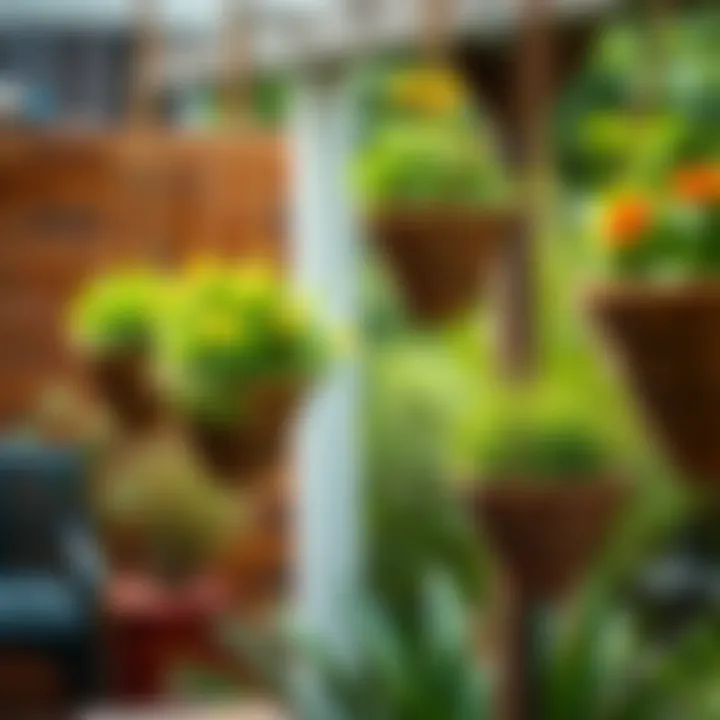
Selecting the ideal plants for cone-shaped hanging baskets is a crucial aspect that can influence both aesthetic appeal and plant health. The right choice goes beyond mere visual preference; it's about making smart decisions that ensure vibrant growth and harmonious display. Plants that complement each other not only create a beautiful spectacle, but they also help maintain a healthy ecosystem within the basket.
When choosing plants, consider factors such as growth habits, light requirements, and blooming cycles. Pairing plants with similar needs helps to create a thriving environment. Additionally, plants that display contrasting textures and colors can enhance the visual dynamics of the arrangement, making the cone-shaped basket a focal point in any space.
Flower Varieties for Cone-Shaped Baskets
When it comes to flower choices, the options are practically endless. Petunias are a popular choice due to their vibrant colors and trailing habits, making them ideal for hanging baskets. Just as sprightly as their names suggest, they tend to cascade beautifully over the edges. Fuchsia is another show-stopper; its delicate, dangling flowers dance in the wind and add a touch of whimsy to your hanging creation.
For a softer look, lobelia offers a carpet of blues and purples, while calibrachoa (often referred to as million bells) pairs nicely with both bold and subtle companions, adding a pop of color without overwhelming neighboring plants. Always remember to match the flowering cycles: some varieties bloom all summer, while others might fade in and out, ensuring there's always something in bloom.
"Choosing the right combination of plants not just beautifies; it breathes life into your spaces."
Foliage Options
While flowers may be the stars of the show, foliage plays its supportive role and should not be overlooked. Adding foliage plants can create depth and contrast to your hanging basket displays. Ferns, for instance, are excellent at creating lush green backgrounds. Consider using ichinopsis, a perennial that can bring a rich texture that contrasts nicely with flowering varieties.
Another great choice is ivies, which provide a trailing effect and can complement flowers beautifully. Their ability to adapt to different lighting conditions makes them versatile companions. Consider also sweet potato vine—it's vibrant and thrives in sunny spots, providing cascading green or purple leaves that frame the colorful blooms perfectly.
Selecting the right plants requires a bit of forethought. Take the time to consider your environment, including light levels and exposure, as some plants thrive in full sun while others prefer shade. Beyond this, think about growth patterns and whether you desire a fuller look or a more minimalist display.
In the end, striking the right balance between blooms and foliage will ensure your cone-shaped hanging baskets not only look stunning but are also a joy to maintain.
Innovative Trends in Hanging Basket Design
The realm of hanging basket design is perpetually evolving. Today, innovative trends shape not only visual aesthetics but also practical functions. More than mere decor, these baskets enhance spaces while addressing environmental and technological needs. Recognizing these trends helps designers and enthusiasts choose wisely for their homes and gardens. Below, we delve into two significant trends making waves in this area: eco-friendly innovations and smart hanging baskets.
Eco-Friendly Innovations
With the steady increase in environmental awareness, it's no surprise that the focus on sustainable designs has gained traction. Eco-friendly innovations in hanging baskets are changing the way we think about these structures.
- Material Choices: Upcycled materials make a substantial impact. Baskets crafted from recycled plastics, for instance, not only reduce waste but often showcase vibrant colors and unique textures. Additionally, using biodegradable options ensures that the product won’t linger in landfills for eons.
- Water Conservation: Many contemporary baskets feature built-in reservoirs, promoting efficient water usage. This design aids plant growth by allowing roots to absorb moisture when needed. In areas where water is precious, this innovation comes as a real lifesaver.
- Natural Fertilizers: Integrating systems that release natural fertilizers over time is gaining momentum. This self-sustaining approach nourishes plants while minimizing the need for chemical additives, enhancing both plant health and soil quality.
Notably, these eco-friendly baskets appeal not only for their sustainability but also for their artistic uniqueness. Each piece can be a conversation starter, reflecting the importance of eco-conscious choices in our daily lives.
“The best way to predict the future is to create it.” - Peter Drucker
Focusing on eco-friendly innovations sets a foundational tone where aesthetic values align with responsible practices.
Smart Hanging Baskets
Driven by technological advancements, smart hanging baskets are revolutionizing traditional gardening concepts. As urban living expands and gardening spaces shrink, integrating technology is proving to be essential.
- Smart Watering Systems: These baskets often come with built-in sensors that monitor soil moisture. Connected to a smartphone app, users can receive timely alerts to water their plants. Such features can prevent underwatering or overwatering, which are common pitfalls among gardeners.
- Integrated Lighting: With some designs featuring LED grow lights, these baskets can support plant growth in low-light settings. This means your home or balcony can flourish with greenery, regardless of natural sunlight.
- Remote Monitoring: Smart baskets that allow you to track your plants' health metrics are also becoming popular. Users can check humidity, temperature, and light exposure remotely, ensuring their plants thrive even from afar.
By embracing smart designs, hanging baskets can meet the modern gardener's needs, allowing for a seamless blend of technology and nature.
The innovative trends in hanging basket design, from eco-conscious materials to smart features, underscore a growing preference for sustainability and practicality. These enhancements serve dual purposes: beautifying spaces while making gardening activities more efficient and enjoyable.
Cultural Symbolism of Hanging Baskets
In various cultures and communities around the world, cone-shaped hanging baskets are not simply tools for gardening or decor; they represent deeper meanings and connections. The way these baskets are perceived is often steeped in history, traditions, and the values of the people who use them. Understanding the cultural symbolism of hanging baskets not only enriches our appreciation of their aesthetic appeal but also provides insight into the diverse uses and meanings attributed to them in different settings.
Symbolism in Different Cultures
The significance of hanging baskets varies widely between cultures. In some parts of Asia, especially in countries like China and Japan, these baskets are often associated with prosperity and abundance.
- Traditional feng shui practitioners might use cone-shaped baskets filled with vibrant flowers as a way to invite positive energy into a space. Here, the precise arrangement and types of flora can symbolize various aspects of life such as love, health, and wealth.
- In many Native American traditions, hanging baskets are crafted as functional art, often used to carry goods or for ceremonial purposes. The intricate designs often hold specific meanings, representing different tribes and their unique stories or spiritual beliefs.
Moreso, in Mediterranean cultures, these baskets often carry a symbol of harvest and resilience. In Italy, hanging baskets filled with herbs such as basil and rosemary can reflect culinary heritage and the joy of sharing good meals among families and communities.
"Hanging baskets are not just vessels; they are stories, connecting history, culture, and nature in a seamless blend of art and utility."
Hanging Baskets in Modern Art
The influence of hanging baskets extends into modern art as well, where artists have embraced them to convey various themes. For instance, these baskets can be seen in contemporary installations where they bring together organic materials and urban environments. The choice to incorporate them often speaks to the juxtaposition of nature against a backdrop of industrialization, reflecting a longing for connection to the earth amidst modern life's chaos.
Some artists have repurposed these baskets into installations that challenge the viewer’s perception.
- Example: An installation might involve hanging dozens of cone-shaped baskets at different heights, each filled with plants native to the region, creating a dynamic visual experience.
- Concepts: Works that involve hanging baskets tend to explore themes of gravity, suspension, and how art can influence space and atmosphere, making a statement about our relationship with nature.
In a digital age, artists are also incorporating technology, resulting in "smart" hanging baskets that can sense environmental conditions and display art through responsive lighting or sound. This synergy of art, culture, and technology continues to evolve, demonstrating the importance of these baskets as a concept in modern artistic expression.