The Beauty and Benefits of Peony Faux Flowers
Intro
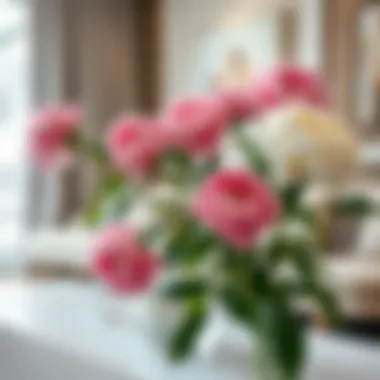
Peony faux flowers have been capturing the hearts of many in the world of decoration. These enchanting blooms, with their lush petals and vibrant hues, offer a stunning resemblance to their real counterparts while presenting a multitude of advantages. In a society where aesthetics and sustainability are often at odds, peony faux flowers come to the forefront as a perfect balance, allowing for opulence without compromise. They can transform any space—be it home, office, or venue—into a visually enticing environment while promoting sustainable practices.
One of the most appealing aspects of faux flowers, particularly peonies, is their ability to add life and color without the constant maintenance required by live plants. The durability and longevity of these flowers ensure that they remain fresh and beautiful year-round, making them an attractive choice for both personal and professional settings. With this article, we aim to explore the unique traits of peony faux flowers, their applications, and the craftsmanship that goes into creating such lifelike decorations. Along the way, we will also touch upon the role these blooms play in fostering sustainable initiatives in the floral industry.
Prelude to Peony Faux Flowers
The realm of floral decoration has evolved significantly in recent years, with peony faux flowers standing out as a particularly striking choice for many. Understanding faux flowers goes beyond mere aesthetics; they offer a blend of practicality and enchantment that appeals to a wide demographic, from home decorators to event planners. This section aims to illuminate why the introduction of peony faux flowers holds substantial weight in contemporary décor discussions.
Definition and Overview
Faux flowers, particularly those mimicking the peony, are crafted from various materials, which allow them to replicate the delicate beauty of real blooms without the constant upkeep. They are often made from silk, polyester, or even plastic, crafted with meticulous attention to detail. This results in products that not only look stunning but can withstand the test of time. This aspect is particularly relevant in today's fast-paced world where people seek convenience alongside aesthetic allure.
Peony faux flowers are characterized by their lush, full blooms, which resonate with charm and sophistication. They aren't merely imitations; they encapsulate the essence of peonies through vibrant colors and diverse textures. This flexibility in design makes them a favorite among interior designers and decorators. They can seamlessly blend into different styles, be it modern, classic, or bohemian, thus proving their versatility.
Historic Significance of Peonies
Peonies have a rich heritage, revered in various cultures for their beauty and symbolism. Historically, these flowers have been appreciated not just for their appearance but also for the meanings they carry. In ancient China, they were regarded as the 'king of flowers,' symbolizing wealth and prosperity. During the Victorian era, peonies took on meanings of compassion and healing, further endearing them to those in pursuit of decor steeped in significance.
As societies progressed, the appreciation of these blooms spread globally. Today, peonies hold a place in gardens and homes alike, symbolizing romance and new beginnings. By incorporating peony faux flowers into decor, one does not only embrace their beauty but also infuses spaces with the rich historical significance that accompanies real peonies. In essence, using faux flowers allows individuals to celebrate tradition while benefiting from modern practicality.
The Aesthetic Appeal of Faux Flowers
The aesthetic allure of faux flowers, particularly peonies, cannot be overstated. It goes beyond mere decoration; it taps into the emotional fabric of our environments. Faux flowers act not just as embellishments, but as significant elements that can elevate a space's charm and warmth. While nature clearly has its advantages, faux peonies offer a unique blend of beauty and convenience that many find difficult to resist.
Visual Impact and Design Versatility
When one thinks about visual impact, consider how peony faux flowers can transform a dull corner into a vibrant display. Unlike their fresh counterparts, these artificial blooms keep their ideal shape and color season after season. Whether it's the rich fuchsia of a peony or the soft blush, they radiate color and vitality year-round.
The design versatility also stands out. They can be used in various settings, from elegant dining tables to rustic living rooms. Here are some thoughtful placements:
- Centerpieces for elaborate dinner parties
- Soft accents in boutique hotel lobbies
- Whimsical touches in children's playrooms
Each setting can reflect a distinct mood, whether serene, festive, or cozy, thanks to the exceptional adaptability of faux flowers. Importantly, combining different textures and heights can create a visually pleasing composition that captures attention at first glance.
Color Palette and Realism
Color can deeply influence feelings. With peony faux flowers, the selection is virtually limitless. Bright pinks, deep reds, or soft whites can all be part of your palette, ensuring that there's a match for any decor style—be it modern minimalism or vintage charm.
It's not just about the colors, though; realism plays a crucial role. Thanks to modern crafting techniques, faux peonies are often so lifelike that it's easy to forget they aren't real. Subtle gradations in color, carefully crafted petals, and lifelike textures create a convincing aesthetic. Choosing high-quality items can further enhance this convincing realism.
"A well-placed faux flower can infuse life into a room, akin to how a drop of color can energize a canvas."
Moreover, these flowers require no specialized lighting or upkeep, unlike natural blooms. They maintain their vibrancy without fading or wilting, making them a durable choice for ongoing decor. This combination of vibrancy and realism ensures that faux flowers attract attention, creating focal points in any arrangement.
In essence, the aesthetic appeal of peony faux flowers lies in their ability to blend seamlessly into various decor styles, offering unmatched creativity and enduring beauty that resonates with modern sensibilities.
Craftsmanship Behind Peony Faux Flowers
When it comes to peony faux flowers, the craftsmanship behind their creation holds significant weight. These flowers are not just simple decorations. They represent artistry, precision, and innovation within the world of floristry. The unique features of faux peonies depend heavily on the quality of their craftsmanship, which directly influences their appeal and functionality in various settings.
Materials Used in Production
The backbone of quality faux flowers lies in the materials selected for their production. Many manufacturers choose to use a variety of synthetic fabrics to mimic the look and feel of real petals.
- Silk: One of the most popular choices, silk gives faux flowers a soft, delicate appearance. It offers a luxurious sheen that catches the eye, making it a favorite for high-end designs.
- Polyester: This material is durable and less susceptible to fading or damage over time, making it ideal for everyday use. The flexibility of polyester allows for diverse color applications, contributing to the realism of each bloom.
- Latex: Often used for petals and leaves, latex can be molded into intricate shapes, ensuring that each flower maintains a consistent and realistic look.
- Foam: Lightweight and easy to work with, foam can replicate intricate details. It's particularly effective for larger designs, allowing for grand displays that look impressively lifelike.
These materials do not just make the faux flowers easier to maintain and more durable; they also ensure that the flowers appear vibrant and lifelike, often fooling onlookers into thinking they are gazing at the real deal.
Techniques for Realistic Texture
Craftsmanship goes beyond materials; it includes the techniques employed to achieve stunning visual results. The artistry in faux flower creation is revealed through various methods that enhance texture and realism.
- Color Gradient Application: Instead of solid colors, manufacturers apply multiple shades to create depth. By blending hues as they would appear naturally, the flowers gain a more organic and authentic feel.
- Petal Shaping: Many artisans handcraft petals with varying edges and curves. This meticulous attention to detail helps to capture the subtle variances found in real peonies, adding to the overall charm.
- Wire Framework: Inserting wire into stems allows for flexibility in arrangement. Each stem can be bent and adjusted, enabling decorators to create unique styles that suit their tastes and settings.
- Texturing Techniques: Some manufacturers employ texturing processes that mimic the feel of natural flowers. This might include etching or layering materials, creating a tactile experience that elevates the faux flower's aesthetic.
Through these innovative techniques, artisans breathe life into faux peonies, constructing pieces that are not just decorative but also articulate the sophisticated craftsmanship behind them.
"The artistry in faux floral design transforms decor, allowing elegance without the upkeep of real flowers."
In summary, the craftsmanship behind peony faux flowers encompasses a thoughtful selection of materials and skilled techniques, ensuring that these beautiful blooms can stand the test of time without sacrificing aesthetic value. As decor continues to evolve, the importance of craftsmanship in creating faux flowers remains more relevant than ever.
Applications in Interior Design
When it comes to interior design, the incorporation of peony faux flowers can make a world of difference. These artificial blooms not only breathe life into spaces but also serve a multitude of functions that enhance aesthetic appeal and overall atmosphere. Their flexibility allows for creative juxtaposition across different decor styles, which is a key aspect to consider when thinking about decorative choices. In today’s world, where sustainability often trumps tradition, faux flowers come as a delightful solution, marrying beauty with longevity.
Home Decor and Styling
Peony faux flowers shine brightly in the realm of home decor. Using these blooms in a room can transform it from mundane to magnificent. Here are some specific ways they can be utilized:
- Accent Pieces: A single peony arrangement on a coffee table can serve as an eye-catching focal point. Throwing in a few peonies in vibrant colors against a muted backdrop can bring warmth and personality to a space.
- Centerpieces: Weddings and festive gatherings often place faux peonies at the center of tables. Their lush, voluminous look mimics that of real peonies but lasts much longer without wilting. This makes them a favorite among event planners and hosts alike.
- Seasonal Influence: Changing flowers with the seasons is a charming way to keep decor fresh. Faux peonies are available in a variety of hues that suit any season, from pastel pinks in the spring to robust, deep reds in the fall.
Furthermore, peony faux flowers require very little upkeep. A quick dusting can keep them looking fresh and rejuvenated. The beauty lies in their perennial nature; they don’t fade, droop, or require wilting away like live blooms. This makes them particularly valuable for busy households or for those who want immediate visual impact without the hassle of care.
Event Decorations and Floral Arrangements
For larger gatherings or events, peony faux flowers offer an effective and stylish approach to floral design. They can be easily integrated into various settings, such as:
- Weddings: Bouquets made of peony faux flowers have become a trend in the wedding industry. They not only alleviate the pressure of sourcing seasonal flowers but also provide a consistent look throughout the event, from the ceremony to the reception.
- Corporate Events: Employing peony faux flowers in office settings lends an air of sophistication to any meeting or conference. They help in creating an inviting environment, often absent in corporate spaces. Just think about how some faux peonies in a sleek vase can soften the overall look of a stark conference room.
- Themed Parties: For themed parties, faux flowers can be styled to match the occasion's atmosphere or color scheme without fear of decay. Imagine tropical-themed summer parties with vibrant, sunny hues of peonies as part of the decor—an arrangement that can easily be transported and reused!
Faux flowers are more than mere substitutes; they embody a timeless stylishness that transcends trends.
By choosing peony faux flowers in interior design, one can harness the beauty of florals while championing a sustainable approach to decoration. Their timeless appeal ensures they remain a popular choice for those looking to enhance their living spaces or create memorable occasions.
Sustainability Considerations
In the modern world, where every choice we make echoes through the fabric of our environment, the treasures of sustainability emerge more crucial than ever. Faux flowers, particularly peonies, have captured attention not only for their beauty but also for their inherent contributions to sustainable practices. Understanding how these faux blooms align with sustainability sheds light on their ever-growing popularity among fashion enthusiasts, casual shoppers, and stylists.
Longevity and Reduced Waste
One can't overlook the lifeline that faux peonies offer in reducing waste. Unlike fresh flowers, which wilt and perish within days, these elegant replicas bring a lasting charm to your space. Imagine decorating your living room with peony faux flowers. They maintain their form and color, staying vibrant throughout the seasons. This longevity translates into reduced waste over time. Fresh flowers need regular replacement, adding to landfills as they decompose. In contrast, treating faux flowers as cherished decor items means that, with proper care, they can last years, even decades.
With less frequent purchasing, the environmental footprint shrinks significantly.
Additionally, opting for faux versions reshapes the floral industry. By choosing faux peonies, you support a shift away from industries that heavily rely on pesticides and transportation emissions associated with real flower cultivation and distribution. Thus, faux flowers stand as champions of eco-conscious living, aligning beauty with environmental ethics.
Eco-Friendly Production Processes
Now, let’s dive into the creation of these faux flowers. Eco-friendly production is often a road less traveled in industries of decoration. But the advancement in technologies has started to favor sustainable methods. Many manufacturers turning the tide utilize non-toxic materials such as recycled plastics for crafting peony faux flowers. Not only does this minimize the reliance on virgin raw materials, but it also curtails energy consumption during the process.
Such practices not only enhance product integrity but also signal a shift towards greener production. Often, the production facilities embrace energy-efficient practices, including solar power and reduced water wastage.
Consider:
- Low-impact dyes that are better for the environment.
- Sustainable sourcing for raw materials that contribute to the balance of ecosystems.
These thoughtful production methods show a dedication to leaving a light footprint while indulging the senses with the beauty of faux peonies. So, when choosing these flowers, you're not just beautifying your space; you're participating in a broader movement toward a more sustainable future.
"Opting for peony faux flowers means more than just aesthetics; it’s an investment in the planet's future."
Incorporating faux peonies into your decor resonates with a commitment to sustainability, promising both elegance and responsibility. This duality is what makes them increasingly irresistible to the modern consumer.
Maintenance of Faux Flowers
Maintaining faux flowers, particularly peony faux flowers, is a key element that not only extends their lifespan but also maintains their visual appeal. While these artificial beauties offer the convenience of requiring less care than live plants, they still benefit from regular upkeep. Notably, certain techniques can enhance their appearance and help maintain that realistic touch which makes them so alluring.
Cleaning and Upkeep
Cleaning faux flowers is an essential task that can make a world of difference in how they look. It’s simple—dust tends to settle on surfaces, and faux flowers are no exception. Here’s a straightforward approach to keeping your peonies looking fresh:
- Dust Regularly: Using a soft cloth or feather duster, gently wipe the petals and leaves. This should be a part of your routine, especially if they are placed in a high-traffic area.
- Use Mild Cleaners: For deeper cleaning, a diluted solution of mild soap and water can be carefully used. Just be sure to rinse them thoroughly afterward. High-quality faux flowers can withstand occasional cleaning, but it's best to avoid abrasive materials that might scratch or damage.
- Avoid Direct Sunlight: Although faux flowers are made to look real, many can fade if exposed to harsh UV rays. Placing them in a slightly shaded area can help maintain their color vibrancy over time.
By implementing these cleaning and maintenance strategies, you can keep your peony faux flowers striking and full of life.
Storage Tips for Longevity
When the season changes or if you decide to rotate your decor, proper storage of your faux flowers becomes vital. Incorrect storage can lead to wear and tear. Here are a few key tips:
- Choose the Right Container: Use a sturdy box or bin to store your flowers, ensuring it is dark and dry to prevent fading or moisture damage.
- Protect the Petals: Store peonies upright in their original packaging, or wrap the blooms in tissue paper. This helps retain their shape and prevents crushing.
- Craft a Floral Inventory: Keep track of your faux floral collection by cataloging them. A simple list can save you from digging through a pile and potentially damaging delicate petals.
Storing your faux flowers correctly not only helps in prolonging their life but also ensures they remain vibrant and striking when needed again. With just a little attention, the beauty of peony faux flowers can last for many seasons, adding a touch of elegance to your space every time you take them out.
Peony Faux Flowers in Retail
In the world of floral decoration, peony faux flowers have carved out a significant niche in retail. Their blend of aesthetic beauty and functional convenience makes them highly appealing to consumers, especially in a time when individuals seek to enhance their living spaces with flowers that offer long-lasting beauty without the hassle of upkeep. As trends evolve, understanding how these faux botanicals fit into the retail landscape is essential.
On a practical level, these flowers are not just decorative items; they symbolize a broader shift toward sustainable consumption. As more consumers aim to reduce waste, the preference for quality faux flowers that mimic the allure of real peonies has seen a notable rise. In this context, retailers play a critical role in shaping consumer preferences and driving market trends.
Market Trends and Consumer Preferences
Over the last few years, there’s been a noticeable uptick in demand for faux flowers. This shift reflects consumers’ growing awareness and desire for longevity in their purchases. A study from the Flower Industry Association indicates that nearly 60% of buyers prefer synthetic flowers for their durability and ease of maintenance.
Moreover, peony faux flowers stand out due to their versatile designs that cater to various tastes, from classic to modern decor styles. Buyers often gravitate towards products that also reflect their individual style while being less transient than their fresh counterparts. Retailers are now curating collections that specifically highlight these preferences, offering peonies in varying colors and sizes that appeal to a wide audience.
To capture the hearts of fashion enthusiasts and stylists, brands have started to incorporate bold colors and innovative textures that replicate the authentic look of peonies. This nuanced approach attracts not only casual shoppers but also designers looking for unique accents in their projects. As such, purchasing behaviors are evolving, with an emphasis on purchasing well-made, visually striking faux flowers that align with personal or professional design objectives.
"The rise in faux flower popularity is not just a trend, but a reflection of changing values in our consumption habits."
Popular Retailers and Collections
When it comes to shopping for peony faux flowers, several brands have made a name for themselves in the retail market. Established players like Anthropologie and Wayfair offer diverse collections that cater to different tastes and budgets. These retailers have recognized the allure of peonies and curate selections that captivate consumers.
Some notable mentions in this flourishing market include:
- West Elm - Known for their chic bohemian designs, they provide a range of faux flowers that enhance any decor style.
- Pottery Barn - This retailer stands out with a collection of realistic faux floral arrangements that can serve as statement pieces.
- IKEA - Offering budget-friendly options, they make peony faux flowers accessible to a broader audience, ensuring the allure of peonies reaches those wanting to elevate their interior space without breaking the bank.
As preferences shift, so do collections. Retailers are investing in innovative designs and collaborations, aligning themselves with contemporary aesthetics and sustainability goals. This means not only providing eye-catching flowers but also communicating their commitment to eco-friendly practices, ensuring consumers feel good about their purchase decisions.
By utilizing a variety of channels, from online marketplaces to brick-and-mortar stores, these retailers are effectively meeting consumer demands and setting new standards in the floral retail industry.
Evaluating Quality in Faux Flowers
Assessing the quality of faux flowers, particularly when it comes to peonies, holds significant weight in the realm of home decor and floral arrangements. Recognizing genuine craftsmanship can mean the difference between a lackluster display and a stunning centerpiece that captivates attention. In this section, we explore how to evaluate faux flowers effectively, highlighting specific criteria to consider while enhancing awareness about value and authenticity.
Identifying Authentic-Looking Faux Flowers
When on the hunt for peony faux flowers, it is crucial to distinguish the authentic from the imitation. The visual appeal is the first area to take a gander at. A high-quality faux flower should closely mimic the texture and colors found in their real counterparts. Pay particular attention to:
- Petal Texture: They should have a natural feel. Petals made from silk or high-grade polyester often exhibit delicate veins, making them realistic.
- Color Gradation: Look for subtle color variations rather than monochromatic hues. Authentic peonies come in a myriad of shades that blend into one another smoothly.
- Stems and Foliage: Realistic faux flowers will have stems wrapped in a natural material or crafted to resemble the intricate details of real plants. Foliage should ideally reflect seasonal changes, similar to what one might find in a natural setting.
"The devil is in the details" definitely rings true here, as it’s often these finer points that set the good apart from the great. It’s always a good idea to look for reputable retailers who specialize in high-quality faux flowers.
Price Points and Value Assessment
The price tag on peony faux flowers can vary widely, depending on the quality and craftsmanship involved. Understanding these price points helps buyers discern value from mere expense. While it may be tempting to opt for the cheapest option on the shelf, this often leads to disappointment.
Consider the following when assessing prices:
- Material Quality: As mentioned earlier, silk flowers are generally more expensive than plastic ones but offer better realism. If the price seems too good to be true, it probably is.
- Brand Reputation: Recognizable names often command a premium due to their quality assurances. Consider brands like Pottery Barn or West Elm, known for their attention to detail in faux floral arrangements.
- Longevity and Warranty: If a seller offers a warranty, it's a good signal that their products are built to last. Evaluate whether the durability justifies the price tag.
Cultural and Symbolic Meanings
Exploring the cultural and symbolic meanings of peonies, especially in the realm of faux flowers, is paramount to understanding their enduring allure. These flowers have held significant positions across various cultures and times, often serving as a rich tapestry interwoven with tradition and belief. They resonate not just as decorative elements but as symbols of deeper sentiments, such as love, prosperity, and hope.
Peonies in Various Cultures
Peonies have found their way into the hearts and traditions of numerous cultures around the world. In Chinese culture, for example, they are celebrated as the "king of flowers," representing wealth and nobility. They appear prominently in art and literature, often embodying luck and prosperity. The Chinese belief that peonies can bring good fortune makes them popular choices during weddings and new year celebrations.
In Japan, peonies are associated with bravery and honor. During the Edo period, they were often depicted in samurai art, symbolizing not only feminine beauty but also a warrior's strength. Festivals celebrating these flowers are held every spring, attracting visitors who seek both beauty and inspiration.
On the opposite side of the globe, in Western cultures, peonies often signal romance and love, with a particular tie to matrimonial ceremonies. In fact, many couples choose peonies for their bridal bouquets, as they embody a sense of lush, romantic allure. The fleeting nature of these flowers is akin to the ephemeral quality of love and beauty itself.
This cross-cultural significance is not lost on consumers today. People who choose peony faux flowers often do so with a keen understanding of these historical significances. It’s not merely about aesthetics; it’s about connecting with centuries of tradition that foster emotional resonance in their homes.
Symbolism of Faux Flowers in Modern Society
In modern society, the symbolism of faux flowers shifts slightly but still upholds core values associated with their more natural counterparts. Faux peonies bring a sense of permanence that fresh flowers simply can't match. They not only symbolize beauty but also practicality—an emblem of endurance and lasting aesthetics.
Moreover, the rise of eco-conscious consumers plays a key role in the appeal of faux peonies. As a sustainable alternative, they symbolize environmental awareness and resourcefulness. Consumers are becoming increasingly sophisticated, appreciating the idea that faux flowers can be just as beautiful as the real thing while sparing the planet the impact of constant cut flower cultivation.
"Faux flowers may seem artificial, yet they bring genuine joy and beauty into our lives, reminding us that aesthetics and ethics can coexist effortlessly."
In homes and events alike, the use of faux peonies resonates with individuals seeking beauty without the guilt associated with traditional floristry. Choosing faux assumes a stance against the fleeting, and instead embraces the long-lasting enjoyment of beauty. This duality makes them a particularly apt choice for today's thoughtful consumers, where every decorative choice reflects personal values and aesthetics.
Future Trends in Floral Design
The world of floral design is evolving at a brisk pace, especially with the rising popularity of faux flowers like peonies. Understanding these future trends is not just an exercise in aesthetics but also in practicality. As people seek to enhance their spaces with beautiful yet sustainable choices, the innovative developments in faux flower technology and their seamless integration into existing smart home setups become pivotal.
Innovations in Faux Flower Technology
The evolution of materials and manufacturing techniques has revolutionized faux flowers over the last decade. Unlike earlier iterations that appeared glaringly artificial, today’s peony faux flowers are designed with painstaking detail, mimicking their fresh counterparts' delicate textures and hues. Here are a few notable advancements:
- Advanced Materials: Newer types of silicone and polyester fabrics allow for more lifelike petals, giving them the softness and translucence found in actual flowers. This means a petal feels genuine to the touch yet retains its shape over time.
- Color Technology: Innovative dyeing techniques result in richer, more complex colors. This creates a more realistic visual appeal, drawing eyes and compliments alike. They capture the soft pinks and whites characteristic of traditional peonies beautifully.
- Accessibility of Customization: Many retailers now offer customizable faux arrangements, catering to individual tastes and interior design needs. This means consumers can easily find or create a unique centerpiece that resonates with their style.
These innovations lead to a heightened appreciation of faux flowers, as buyers move towards solutions that prioritize both aesthetics and durability.
Integration with Smart Home Designs
In our tech-driven world, integrating peony faux flowers into smart home designs reflects a shift toward more thoughtful, design-savvy living spaces. Here’s how this trend manifests:
- Smart Lighting: Some homeowners choose to use smart LEDs that highlight faux arrangements. These lights can change color and intensity, enhancing the floral display depending on the occasion, from soft, romantic lighting for a dinner party to bright cheerfulness for a festive gathering.
- Automated Maintenance Notifications: Developers are now creating apps that can remind users to clean their faux arrangements, ensuring they always look fresh and vibrant. It’s a seamless blend of tech and decor, keeping homes looking their best with minimal effort.
- Augmented Reality Design Tools: With the rise of augmented reality, users can visualize how faux floral arrangements will appear in their spaces before making a purchase. This empowering tool allows for informed decisions, minimizing returns and enhancing satisfaction.
"Integrating faux flowers into tech-driven design captures the essence of modern living, blending aesthetics with practicality."
Ultimately, both innovations in faux flower technology and their integration into smart homes underscore a cultural shift towards longevity, style, and world-conscious choices in home decor. As trends continue to develop, peony faux flowers remain at the forefront, presenting a perfect balance of beauty and sustainability.