Exploring Appliques in Contemporary Fashion Design


Intro
Appliques have woven their way into the fabric of modern clothing design, demonstrating versatility that appeals to both designers and fashion enthusiasts alike. Traditionally viewed as mere embellishments, these decorative pieces can transform an ordinary garment into a work of art. Whether stitched onto a jacket or layered against a dress, appliques illuminate the endless possibilities in the contemporary fashion landscape.
As we explore this topic, we'll dissect how appliques occupy a unique spot in today's trends, tracing their history while recognizing their modern applications. The journey also includes various techniques for attachment and complementary materials, culminating in practical advice on incorporating these elements into your wardrobe.
As much as we cherish individual expression through fashion, understanding the role of appliques can elevate one’s style while embracing creativity. Let's embark on this exploration, examining not just the aesthetic benefits of appliques, but how they resonate with personal identity and self-expression.
Fashion Trends
Current Seasonal Trends
Every season ushers in its own flavor of fashion, and currently, appliques are dancing their way into the spotlight. This year, expect to see a mix of oversized floral designs and geometric shapes adorning everything from casual tees to high-fashion runway pieces. The charm lies in their adaptability; you can find them on athleisure attire, giving an ordinary gym outfit a chic upgrade.
Moreover, layering techniques are also on the rise. Designers are playing with texture by combining various applique styles on a single garment. A shirt featuring both embroidered flowers and textured fabric appliques not only captures the eye but also offers depth to any ensemble. These trends reflect a desire for both form and function, merging playful designs with everyday wear.
Influential Styles and Icons
Throughout fashion history, certain icons have popularized appliques in ways that resonate with the masses. Think of Anna Sui, whose whimsical collections often incorporate fantastical motifs that celebrate individuality. Or consider Jean Paul Gaultier, who pushes boundaries by using appliques to challenge norms and encourage self-expression. These designers have demonstrated how appliques can capture cultural sentiments while offering a platform for personal style.
Moreover, social media influencers have also played a monumental role in establishing modern trends. Platforms like Instagram have showcased looks that prominently feature appliques, encouraging everyday wearers to experiment with their styles. This convergence of traditional design elements with digital influence highlights how appliques maintain relevance today.
Wardrobe Essentials
Must-Have Pieces for Every Closet
When it comes to building a versatile wardrobe with appliques, it’s crucial to select items that combine style and simplicity. Here are some essentials:
- Denim Jackets: A classic staple updated with playful appliques adds a unique touch.
- Graphic Tees: Opt for shirts adorned with interesting shapes or colors that reflect your personality.
- Maxi Dresses: Dresses that feature applique flowers or shapes can easily transition from daytime casual to evening chic.
Each of these pieces allows fashion lovers to infuse a bit of uniqueness into their everyday look without going overboard.
Timeless Versus Trendy Items
As with any style component, distinguishing between what’s timeless and what’s trendy is essential. Timeless items, like a well-fitted blazer featuring subtle, elegant appliques, hold value through different fashion cycles. In contrast, items that lean heavily into seasonal trends—such as those with bold, graphic appliques—may not withstand the test of time. It's smart to choose wisely, balancing your wardrobe with classic and statement pieces for the right mix.
"In fashion, as in life, it's less about the clothes you wear, and more about how you wear them."
Prolusion to Appliques
The world of fashion is a canvas, and appliques serve as vibrant brushstrokes that enhance its beauty. Often overlooked, these decorative elements play a crucial role in the realm of modern clothing design. Appliques add a layer of creativity and individuality, allowing designers to push the envelope of conventional fashion. Whether it's a simple cotton bird stitched onto a tee or an elaborate 3D floral design on a gown, the use of appliques can transform an otherwise plain piece into something extraordinary.
Definition and Significance
An applique refers to a piece of fabric that is sewn onto another to create a design. This technique is significant in the fashion industry due to its versatility and ability to bring texture, color, and dimension to garments. One might say that appliques are like the icing on the cake; they enhance the basic structure of the clothing, making it more visually appealing.
Using appliques is not just about decoration; it also serves various purposes—from revealing craftmanship to expressing individual style. These elements can hide imperfections or design flaws, transition garments from standard to chic, and serve as focal points in a crowded style landscape. It’s no wonder that both high-end designers and everyday clothing makers are incorporating this technique into their collections.
Historical Evolution
The concept of appliques can be traced back centuries. As far back as the Egyptian and Chinese civilizations, fabric layering was used to not only beautify garments but also demonstrate social status. Among those ancient artisans, decorative stitching was a mark of craftsmanship and artistry.
Fast forward to the 19th century, the Rococo period redefined fashion with lavish embroidered appliques which adorned gowns of the elite. The technique fell in and out of popularity over the decades, often mirroring broader design trends and cultural movements.
In modern times, the advent of sewing machines has made it easier for designers and hobbyists alike to experiment with different styles and materials. Current trends show a resurgence of interest in vintage styles and eco-friendly practices, pushing the boundaries of how appliques can be utilized. Sustainable fabrics are now being paired with traditional techniques, creating a unique fusion of old and new.
Types of Appliques
Understanding the different types of appliques is crucial for anyone looking to delve into modern clothing design. Each type offers unique characteristics and benefits, enabling designers and fashion enthusiasts to express creativity while enhancing garment appeal. From fabric to 3D elements, the versatility of appliques is apparent in their widespread use across various styles and trends. Choosing the right type of applique can make a difference in achieving the intended aesthetic while serving functional purposes.
Fabric Appliques
Fabric appliques are perhaps the most traditional form, consisting of pieces of fabric sewn or attached onto another piece of fabric. This technique allows for colorful designs and textures, offering a striking contrast against the base material. Fabric appliques can be made from cotton, silk, or even wool, each contributing to the overall feel of the garment.
- Benefits of Fabric Appliques:
- Customizability: Designers can craft unique patterns tailored to specific themes or aesthetics.
- Durability: When stitched properly, they withstand wear and tear, making them suitable for casual wear and high-fashion pieces.
- Versatility: Their adaptability allows them to be applied on almost any type of garment, from jackets to dresses.
Fabric appliques often evoke a sense of nostalgia, reminiscent of childhood clothing or handmade crafts. They are widely used in various fashion subcultures, serving both decorative and symbolic purposes.
Embroidered Appliques
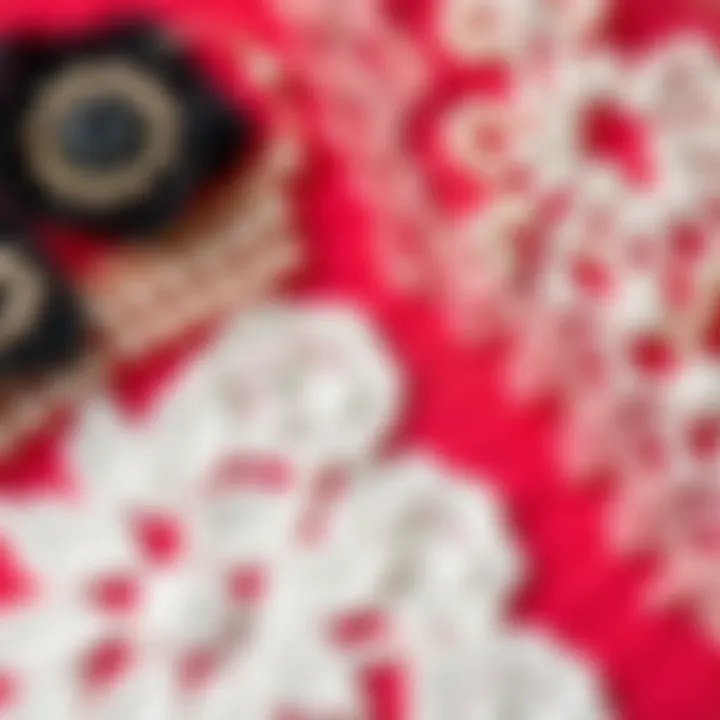
Embroidered appliques take the concept a step further by incorporating intricate stitching techniques, thereby adding depth and richness to a simple design. This type of applique often features detailed designs that might include floral patterns, geometric shapes, or even personal motifs.
- Key Characteristics of Embroidered Appliques:
- Detailing: The embroidery adds texture that elevates the garment from ordinary to ornate.
- Artistry: Skilled embroiderers can infuse life into designs that reflect cultural or personal narratives.
- Focal Point: These appliques often serve as the centerpiece of a garment, drawing attention and admiration.
Notably, embroidered appliques command a higher price due to the labor-intensive processes involved. They appeal to those who seek to make a statement while appreciating craftsmanship.
3D Appliques
3D appliques introduce a captivating dimension to clothing design. By creating textures that evoke movement and depth, they transform garments into art pieces. Featuring elements like feathers, puffy florals, or abstract shapes, 3D appliques push the boundaries of conventional fashion.
- Advantages of 3D Appliques:
- Visual Impact: The added dimension creates intrigue, making the garment stand out in a crowd.
- Creative Expression: They allow designers to explore unique and whimsical themes, appealing to fashion-forward individuals.
- Trend-Setting: 3D elements often attract attention on runways and street style, signifying a bold approach to fashion.
As modern tastes lean towards individuality and creativity, 3D appliques increasingly find their place in everyday wear. Fashion enthusiasts and designers value them for both artistic allure and playful character.
Techniques for Applying Appliques
Understanding the various techniques for applying appliques is crucial for both novice and experienced designers. Their right application can enhance the visual appeal of garments manifold. This section addresses the essentials—from sewing techniques to adhesive methods—enabling readers to choose the best approach for their projects. Each technique offers its own set of benefits and specific nuances, thus it’s imperative to understand them to achieve desired results.
Sewing Methods
Sewing is one of the most traditional methods for attaching appliques, offering strength and durability. This method can be broadly divided into machine sewing and hand stitching—each method serving a distinct purpose.
Machine Sewing
Machine sewing, as the name suggests, utilizes a sewing machine for attaching appliques. This technique stands out for its efficiency and speed, making it a favored choice among designers working on larger projects or in commercial settings.
The key characteristic of machine sewing is its ability to create tight, uniform stitches, which provide longevity to the applique’s placement. With just a flick of a button, intricate designs can be applied to diverse fabric types. The notable advantage of machine sewing lies in its consistency; stitches are likely to be even and precise, preventing the applique from peeling off or fraying.
However, with great power comes some considerations. Depending on the fabric type, machine sewing can sometimes create undesired puckering, particularly on lightweight materials. Moreover, it doesn’t allow for much intricacy when detailing or for unique techniques, which some handmade aesthetics often require.
Hand Stitching
On the other hand, hand stitching involves the meticulous technique of attaching appliques stitch by stitch, providing an opportunity for craftsmanship that machine sewing simply cannot replicate. Hand stitching is often seen as more personal and intimate, allowing for detailed and delicate designs that showcase a designer's skill and creativity.
A key characteristic of this method is the level of control it affords. Each stitch can be adjusted for tension and placement, resulting in unique textures and appearances that vary from piece to piece. Hand stitching allows for creativity such as embellishing edges or integrating multiple fiber types cohesively.
Yet like all methods, it’s not without drawbacks. Hand stitching can be significantly more time-consuming, which might deter those looking for quicker results. It also requires a level of skill that not every designer may possess. But for many, the rewards of hand finishing— the quality and individuality—are well worth the effort.
Adhesive Methods
Tools for applying appliques have evolved, with adhesive methods becoming increasingly popular. They offer quick solutions with potentially strong hold, making them accessible even for those unfamiliar with sewing techniques.
Iron-On Transfers
Iron-on transfers present a modern approach to appliques. They involve applying a design or fabric piece onto a garment using heat from an iron. This method is particularly popular due to its simplicity—just position the applique, cover it with a cloth, and press with an iron.
The significant appeal of iron-on transfers is speed; it lets even beginners achieve professional-looking designs in no time at all. Furthermore, it’s less daunting for those who might feel uncomfortable with sewing. Effortlessly integrating into any wardrobe, these appliques stay secure with heat activation.
However, durability can be a concern. While they bond well initially, over time, harsh washing conditions can weaken the adhesive properties. This can lead to peeling, especially if the applied heat isn't sufficient.
Fabric Glue
Fabric glue adds another dimension to applique application. This method eschews the need for any sewing altogether. By simply applying a layer of adhesive to the back of the applique and adhering it to the garment, the designer achieves a seamless, quick attachment.
Its key characteristic is versatility—ready-made fabric glues can bond a variety of materials, making it adaptable for diverse projects. Plus, they allow for errors to be corrected, as most fabric glues can be repositioned before drying. From embellishing casual wear to crafting unique home decor, fabric glue proves beneficial.
That said, fabric glue’s bond may not always be as strong as sewing methods, particularly under heavy stress or frequent washing. Additionally, one must wait for the glue to dry fully, which may inhibit immediate use of the garment in some cases. Proper application is essential; messiness can lead to unsightly residue or stains on the exterior.
In sum, understanding the techniques for applying appliques empowers all designers and enthusiasts to enhance their creations. By carefully weighing the benefits and limitations of each method, one can significantly elevate the aesthetics and longevity of their clothing designs.
Choosing the Right Materials
Choosing the right materials for appliques can greatly influence not just the appearance but also the functionality and durability of the clothing they adorn. Fabrics and embellishments paired with appliques must harmonize to achieve not only aesthetic appeal but also practical performance. Too often, the selection process is overlooked, resulting in items that don’t withstand wear and tear or simply don’t look right on the intended garment. By understanding various material options and their properties, designers and fashion enthusiasts alike can make informed choices that elevate the final product.
Common Fabrics for Appliques


Cotton
Cotton is an all-time favorite for many, and it's easy to see why. Its breathability and softness make it exceptionally comfortable to wear, while its natural origins appeal to the eco-conscious. One of the standout features of cotton is its versatility; it can be dyed and printed in countless ways. This adaptability means it serves as a robust canvas for designs, allowing colors to pop vibrantly.
However, cotton's biggest drawback is its tendency to wrinkle, which could detract from elegant designs. It especially works wonderfully for casual wear but might not hold up as well in more formal applications.
Wool
When you're looking for texture and warmth, wool steps in as a top contender. This material has thermal properties that make it perfect for cooler climates, so appliques made from wool can provide both style and comfort. Wool is naturally resilient, which helps it maintain shape over time. The rich, fibrous quality adds depth to designs, especially with textured appliques.
On the downside, wool can feel itchy against the skin for some individuals. Care must also be taken to avoid shrinkage and felting during washing. Yet, for those who appreciate its unique qualities, wool is definitely a worthwhile investment.
Polyester
Polyester is a synthetic fabric that has become increasingly popular in applique work for a multitude of reasons. It’s incredibly durable, making it ideal for busy lifestyles and everyday wear. The fabric's resistance to shrinkage and stretching means its original form will be preserved for the long haul. Moreover, polyester can handle moisture well, making it suitable for all sorts of applications.
One should note that while polyester can mimic other fabrics, it may not always provide the same level of breathability. Its synthetic nature can occasionally make it less appealing for those who prefer natural fibers. Nevertheless, the practicality of polyester makes it an appealing option for many designers.
Embellishments to Enhance Appliques
Beads
Beads add a layer of sophistication and sparkle to appliques that can transform the simplest of designs into something exquisite. Available in a multitude of shapes, sizes, and colors, beads can create interesting textures and visual dividers within the applique design. The shine from beads captures light beautifully, making garments stand out in any setting.
The only caveat? They can add significant weight to a garment, and if not securely attached, they might come loose over time. But when balanced with lightweight fabrics, beads can truly elevate an outfit while making a fashion statement.
Sequins
Sequins provide an irresistible glimmer that no one can ignore. Perfect for evening wear or festive occasions, sequins can turn a basic piece into a showstopper. Their reflective surfaces help catch the eye, making them a go-to embellishment for many designers. The varied colors and sizes available further enhance the options for adding drama and flair.
However, similar to beads, sequins can add extra weight and may require additional care while washing to avoid damages. They could also be perceived as overly flashy if not used judiciously, so the key is to find a balance with the overall garment design.
By thoughtfully choosing materials and embellishments, one can truly unlock the potential of appliques, enriching the overall garment experience.
Appliques in Fashion Trends
Appliques hold a significant place in the current landscape of fashion design. Their ability to add dimension, texture, and character to garments makes them not just decorative elements but also vital components in contemporary clothing. As trends ebb and flow, appliques have managed to stay relevant by adapting to the shifting tastes and preferences of fashion enthusiasts. Whether on a designer’s runway or amidst the eclectic vibe of street fashion, appliques showcase their versatility in capturing attention and provoking thought.
Runway Innovations
Fashion Week shows across major cities like New York, Paris, and Milan often serve as a testing ground for new ideas, including innovative uses of appliques. Designers have taken to exploring uncharted territories by experimenting with oversized, intricate appliques that draw the eye and provoke conversation. For instance, consider Alexander McQueen, known for its daring collections, where appliques take center stage, appearing in unexpected forms, such as layered floral motifs or even surrealist shapes that challenge conventional design.
The materials used for these runway innovations are equally diverse. From shimmering sequins to rich velvet, the chosen fabric impacts not only the visual appeal but also the wearability of the piece. Furthermore, layering techniques enhance dimensionality, allowing designers to create garments that are both unique and striking. Not only do these innovations contribute to aesthetics but also serve as statements on individuality and self-expression in fashion.
"Appliques are the finishing touch that transforms an ordinary piece of clothing into a work of art."
Street Style Incorporation
Turning our attention to more everyday scenarios, the incorporation of appliques in street style signifies how fashion isn’t just confined to runways anymore. Influencers and casual shoppers alike are mixing and matching appliques into their wardrobes, giving rise to a fresh and organic take on styles. One common example seen on the streets, especially among younger demographics, is graphic tee shirts adorned with patches that convey social messages or personal tastes. This movement toward personalized clothing enhances individual identity and aligns with broader trends of self-expression.
The casual nature of urban fashion allows for a blend of textures and patterns, further proving how versatile appliques can be. Denim jackets with embroidered patches or canvas sneakers adorned with fabric designs serve as practical examples of how appliques can elevate everyday wear. With the rise of sustainable fashion, reusing or DIY-ing appliques onto garments also fits into eco-conscious lifestyle trends, reflecting a deeper appreciation for craftsmanship in an age of fast fashion.
Practical Applications of Appliques
Appliques serve as a dynamic force in modern clothing design, enabling the transformation of basic apparel into pieces that capture attention and express individuality. Beyond mere decoration, appliques provide functional benefits as well. They can reinforce areas prone to wear, such as pockets or seams, which in turn boosts the overall lifespan of garments without compromising style. This section explores the multifaceted applications of appliques, detailing how they can enhance both everyday wear and standout pieces.
Enhancing Everyday Garments
In the world of fashion, every detail counts. Everyday garments, which often risk being bland or repetitive, can be revitalized through clever use of appliques. A simple t-shirt, for example, can be upgraded with a striking fabric applique that reflects personal interests or hobbies. Think about something like a cat silhouette embroidered onto a basic white tee or a geometric pattern on a denim jacket. These relatively simple modifications can have a profound impact on wearability and, importantly, on the wearer's self-expression.
- Benefits of Appliques in Daily Wear:
- Unique Personalization: Individuals can showcase their tastes through custom designs.
- Cost-Effective Refashioning: Instead of buying new clothes, adding appliques can refresh existing attire, making it feel new without a hefty price tag.
- Ease of Repair: Appliques can be strategically placed to cover small holes or frayed edges, making garments last longer while also looking stylish.
By integrating appliques, individuals can effortlessly convey their style without much effort. As the fashion landscape continually evolves, practical embellishments like appliques could very well offer the solution to dull wardrobe blues.
Creating Statement Pieces
When it comes to creating eye-catching fashion, the right use of appliques can elevate a garment from the ordinary to the extraordinary. Statement pieces are defined by their ability to make an impression, and appliques play a crucial role here. Designers often turn to eye-catching designs to draw attention and emphasize the uniqueness of their creations. A bold, oversized floral applique on a cocktail dress or striking urban graphic on an oversized hoodie can easily transform a simple outfit into a talking piece.
- Factors to Consider for Statement Appliques:
- Scale and Proportion: Larger appliques can command attention yet must be balanced with the outfit's overall design.
- Color and Texture: Bright colors paired with textures like felt or sequins can create dimension, while muted shades might provide an elegant contrast.
- Placement and Layout: Where an applique is stitched can change the garment's silhouette and aesthetic.
"Incorporating bold appliques into clothing isn't just about artistry; it's a statement of intent—an assertion of identity on fabric."
In summary, whether enhancing daily wear or creating impactful statement pieces, appliques are not merely accessory elements but rather essential components in the fashion dialogue, encouraging creativity and individual expression.
Caring for Apparel with Appliques
Caring for garments adorned with appliques isn’t merely about longevity; it's a crucial aspect that ensures the aesthetic appeal remains intact. Appliques, while adding unique character and intricate design to clothing, can be sensitive to various elements. Understanding the right care methods can greatly extend the life of these decorative pieces. The fabric, stitching, and type of adhesive used all play significant roles in determining how best to maintain them.
Washing and Maintenance Tips
Hand Washing Recommendations
Hand washing is often considered the gentlest method to clean apparel with appliques. The primary aspect that makes hand washing a preferred choice is control. When you hand wash, you minimize agitation that machine spin cycles inflict, which can lead to appliques peeling or fraying.
A key characteristic of hand washing is its ability to cater to delicate fabrics. Fabrics like silk or lace, which might come integrated with elaborate appliques, benefit enormously from this method. For instance, garments that feature beaded or embroidered appliques should never be tossed carelessly into a washing machine, lest they become damaged.
When you choose hand washing, a unique feature comes into play—the bespoke attention each item receives. Instead of a one-size-fits-all approach, you can adjust water temperature and detergent concentration as per the fabric's needs, offering a tailored cleaning experience. However, a downside could be the time and effort it demands, as patience is required for scrubbing and rinsing gently.
Machine Washing Precautions
On the other hand, machine washing may suit some garments with appliques designed for everyday wear. The specific aspect here involves the settings and care labels. Using a gentle cycle with cold water can prevent damage while still facilitating a more efficient cleaning process.
The principal characteristic of machine washing includes quickness—a huge advantage for busy lives. It allows you to handle multiple garments in one go, saving time. A unique feature worth mentioning is the availability of laundry bags, which protect delicate pieces during the wash. By placing your applique-rich clothes in these bags, you reduce the risk of snagging or rubbing against other items.
Nevertheless, a potential disadvantage arises with the added risk of wear and tear. If a garment contains heavy appliques, the rougher washing conditions may lead to unintentional damage. It's essential to always refer to the garment's care label and to understand that not all appliques can withstand the pressing confines of a washing machine.
Storage Considerations
Storage also plays a significant role in maintaing the beauty and integrity of garments featuring appliques. Proper storage can prevent unwanted creasing or snagging, ensuring your fashion pieces are always ready to shine. Hanging items, especially those with heavier decorative pieces, might create unwanted stress on the fabric, thus folding might be the wiser choice. When folding, be sure to lay tissue paper between layers to buffer the appliques against any abrasion.
Also, taking into account climate conditions is vital. Humidity can lead to mold on fabric, and dust can dull the sheen of tapestries, while sunlight can fade colors over time. Storing such clothing in breathable garment bags, or within a dark closet, can extend their life significantly. Regular checks will help catch any potential damage early on—after all, prevention is always better than cure.
Taking care of your applique-stitched garments not only preserves their exquisite design but also enhances the overall lifetime of your cherished pieces.
Incorporating Appliques into Personal Style
Integrating appliques into personal style represents a significant opportunity for fashion enthusiasts to express their individuality. This personalization goes beyond simply adding decorative elements; it allows for the fusion of creativity and identity, making garments uniquely yours. When done thoughtfully, appliques can enhance a wardrobe by adding layers of meaning and aesthetics.
Layering Techniques
One effective way to make appliques shine is through layering. This technique isn't just about throwing a couple of items together; it's about curating a visually rich ensemble. For instance, imagine wearing a simple white t-shirt adorned with a vibrant floral applique, paired underneath a sheer black kimono. The contrast between the textures and colors highlights the applique, transforming an otherwise uniform look into something eye-catching.
- Start with a Base Layer: Opt for neutral or solid-colored garments as a good base to let the appliques take center stage. This could be a fitted tank top or a classic button-down shirt.
- Build with Textured Layers: Consider adding a cardigan or jacket that complements the applique in colors or materials, creating a visual dialogue.
- Experiment with Lengths: Varying the lengths of your layers adds depth to your outfit—shorter pieces paired with longer ones can create an interesting silhouette, drawing the eye and making the applique standout.
Mixing Patterns and Textures
Mixing patterns and textures can elevate the overall impact of appliques in your attire. The art lies in finding common ground between diverse elements without causing visual chaos. Think mixing a striped blouse with a floral applique patch on your jeans. It’s essential to balance bold prints with subtler designs.
- Choose Complementary Colors: When mixing patterns, opt for a cohesive color scheme. For example, a navy striped shirt can beautifully accompany a bright orange floral applique.
- Mind the Scale: When pairing patterns, consider the size. Small appliques can work well with larger prints, creating an attractive contrast.
- Texture Play: The interplay of different materials can enhance the appeal of your ensemble. For instance, a wool jacket with a quilted texture over a cotton blouse adorned with a delicate applique creates dynamics.
Appliques don't just enhance garments; they imbue personal stories and cultural nuances into everyday fashion.
Incorporating these techniques into your wardrobe can help craft looks that are not only trendy but also personalized. Each piece takes on new significance, making your fashion statement as unique as you are. When you blend your creativity with well-thought-out designs, you're not merely wearing clothes; you're showcasing a piece of art.
The End: The Future of Appliques in Clothing
In reflecting on the role of appliques in clothing design, it is clear that these ornamental elements are poised to shape the future of fashion in exciting ways. The fusion of tradition and modernity has paved a new design path, where styles are not just a reflection of aesthetic but also a dialogue with sustainability and innovation. As fashion continues to evolve, so too does the potential for appliques to contribute to a wardrobe that tells a unique story.
Sustainability in Applique Design
Sustainability matters more than ever in today's fast-paced fashion world. Appliques play a crucial role in this discussion by extending the life of garments and reducing waste through thoughtful design. Here’s how:
- Upcycling Potential: Designers are increasingly using scraps from previous collections to create stunning appliques, thereby minimizing fabric waste. Reworked vintage clothing, adorned with new appliques, can become a trendsetter in sustainable style.
- Eco-friendly Materials: There's a growing movement toward using organic or recycled fabrics for making appliques. Materials like organic cotton, hemp, and even biodegradable plastics are now options. Consumers are becoming more conscious and seek out brands that align with these values.
- Versatile Reusability: Appliques provide a chance for garments to be customized or refreshed. A simple shift or addition can breathe life into an old piece. This adaptability encourages consumers to think twice before discarding items that could still serve them well with a little creative touch.
"In the world of fashion, sustainability and creativity are no longer distinct paths, but rather intertwined ways to express oneself."
Innovative Techniques on the Horizon
Future developments in applique technology are indeed intriguing. Advancements not only enhance the aesthetic appeal but also revolutionize the ethical side of fashion. Here’s what’s on the horizon:
- Digital Fabrication: Technologies such as 3D printing are making waves in the design process. Designers can now create intricate applique designs with less waste and more precision, allowing for complex shapes and textures that traditional methods cannot achieve.
- Smart Textiles: Imagine appliques that change color or pattern based on environmental cues. Smart textiles are being tested that could react to light or temperature, creating dynamic clothing that interacts with the wearer's surroundings.
- Augmented Reality (AR): Some designers are exploring AR applications allowing consumers to visualize how different appliques will look on garments before they commit to a style. This could enhance the shopping experience and reduce returns or waste.
As we look ahead, the future of appliques in clothing design seems bright and promising. The blend of artistic expression with ethical considerations is a narrative that resonates with many. As consumers, designers, and brands come together, we can expect an era of appliques that not only beautify but also contribute positively to our environment and society.