Benefits and Design Insights for Tiered Window Plant Stands
Intro
In today’s world, where urban living often limits space, integrating nature into our interiors is more important than ever. That’s where the tiered window plant stand comes into play. These stands not only serve as a decorative piece but also optimize the conditions for plant growth. This article dives deep into the myriad benefits of these stands, their design versatility, and how they can enhance your living or workspace.
The functionality of tiered plant stands transcends mere aesthetics. They provide a structured way to display various plants, allowing each one to capture sunlight effectively and flourish. Whether you're nurturing a jungle of ferns or a collection of succulents, these stands can maximize your growth space. Their designs come in myriad options, using materials that are not only stylish but can also blend seamlessly into any decor—be it modern, rustic, or eclectic.
Moreover, this article will focus on key elements such as optimal plant selection, maintenance tips, and creative styling ideas that can breathe life into any corner of your home or office. Additionally, sustainability will be a priority, as the materials and design choices can significantly impact the environment.
So, let’s embark on this exploration of tiered window plant stands, discussing their numerous advantages, the aesthetics they bring, and the thoughtfulness behind their design.
Preamble to Tiered Window Plant Stands
In today’s homes and work spaces, the role of plants has evolved dramatically. They don't just sit in pots on the ground anymore. With the advent of tiered window plant stands, greenery is finding new heights—literally and figuratively. These stands not only serve a functional purpose but also add a distinctive aesthetic element to any room. The consideration of how to incorporate them into one’s living environment has become a key topic for designers and plant lovers alike.
Definition and Purpose
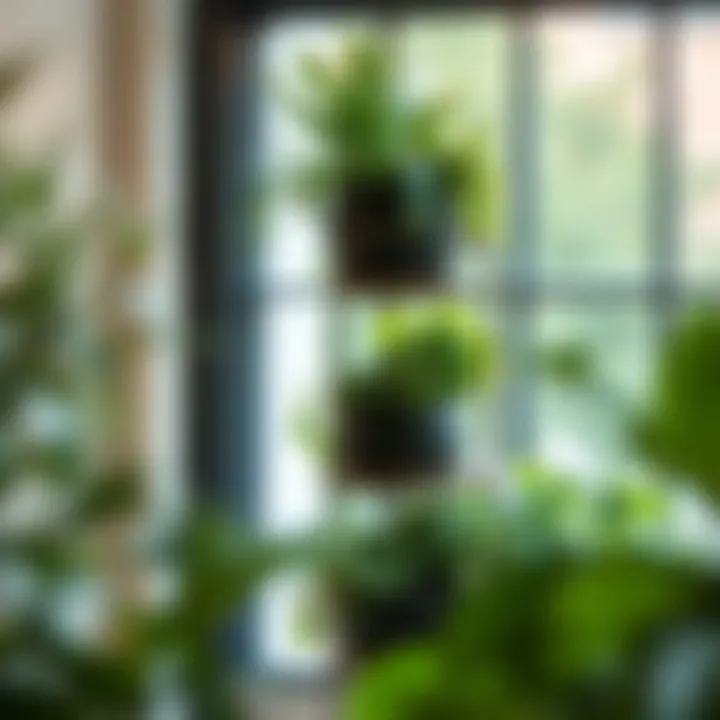
A tiered window plant stand is essentially a multi-level framework designed to hold potted plants in a way that maximizes both space and sunlight exposure. They can be found in various designs, from sleek modern styles to rustic, handcrafted models. The primary purpose of these stands is to allow multiple plants to thrive in limited spaces, especially where floor space is at a premium. Besides their utility, they also create visual interest. With different heights and arrangements, tiered stands enable plant displays that can turn drab windowsills into vibrant focal points.
The layered structure promotes good air circulation around each plant and aids in effective drainage if designed properly. It’s worth noting that using tiered stands can also help separate plants with varying light and watering needs, ultimately fostering a healthier environment for growth.
Historical Context
The concept of tiered plant displays isn’t a fresh idea; it has its roots in gardening practices that date back centuries. In the Victorian era, for example, intricate plant stands were commonly used in wealthy households to showcase exotic plants. These stands often included multiple tiers to display plants in a way that maximized natural light from large windows.
Fast forward to the mid-20th century, the minimalism of mid-century design made way for simple yet effective plant stands, reflecting the era’s love for clean lines and functionality. Today, a blend of historical inspiration and modern innovation has made tiered window plant stands a popular choice for both urban dwellers and rural homeowners aiming to create gardens indoors.
The growing trend towards indoor gardening and sustainable living has brought these structures back into the limelight. Many people are now seeking ways to ensure their plants not only beautify their homes but also contribute positively to their environment, making the historical use of tiered designs feel relevant once more. Sustainability, creativity, and a desire for beautiful indoor spaces intertwine seamlessly in the modern interpretation of the tiered plant stand.
Design Varieties in Tiered Plant Stands
In the realm of gardening and interior design, the choice of a tiered plant stand can greatly affect both aesthetics and functionality. When one considers various design varieties, it becomes apparent that each type offers a unique flair that can complement different home styles. Understanding these distinctions is crucial when selecting the ideal stand, enhancing not only the visual appeal of plants but also their health by optimizing sunlight exposure and air circulation. Thus, exploring the wide array of design options available becomes a vital part of every plant enthusiast's journey.
Material Considerations
Wooden Stands
Wooden stands have a classic and timeless appeal to them. Their natural textures and tones can easily fit into any space, whether modern or traditional. A significant advantage of wooden stands is their weight capacity; well-constructed wooden designs typically support heavier pots without any issues. One unique feature is their ability to be custom-made – DIY enthusiasts often appreciate how adaptable wood can be, allowing for personal touch in design. However, a downside to consider might be their susceptibility to moisture, which can lead to rot or warping if not properly maintained.
Metal Stands
Metal stands introduce an industrial edge that is increasingly popular in contemporary design. One key trait of metal is its durability. A well-crafted metal stand can endure the test of time without losing its structural integrity. Moreover, these stands often come with ornate designs and finishes, offering more than just support but also acting as a piece of art in itself. However, extremes in temperature can affect metal, particularly if left outside. They can become hot in the sun or cold in chillier months, potentially harming plants.
Plastic Alternatives
Plastic stands cater to a practical audience, often being lightweight and reasonably priced. One of the greatest strengths of plastic is its resistance to moisture, making it an appealing choice for those concerned about environmental conditions affecting their plant stands. Additionally, they’re available in a myriad of colors and styles, appealing to those wanting a more playful aesthetic. Nonetheless, they may lack the sturdiness that comes naturally with wood or metal, and some may find plastic less visually appealing compared to other materials.
Style Types
Modern Aesthetic
Emphasizing clean lines and minimalism, the modern aesthetic in plant stands provides a fresh breath to any space. Key characteristics usually include a sleek design and the use of materials like metal or molded plastic. Such stands often lend themselves to a sophisticated vibe, appealing to those who appreciate understated elegance. The downside may be that they can sometimes be perceived as too cold or impersonal for certain settings.
Rustic Charm
Rustic style brings warmth and homeliness, often incorporating reclaimed wood or wrought iron. This style tends to evoke feelings of nostalgia, encouraging a connection with nature. A unique feature of rustic stands might be their rough finishes or unique imperfections, which contribute to their character. However, they require more careful maintenance to prevent wear and tear, especially when used in humid environments.
Minimalist Approach
A minimalist approach to tiered plant stands strips down excess to focus on essential elements. The simplicity in design allows for plants to take center stage, making them the main attraction. Key characteristics often include monochromatic colors and straightforward shapes. One advantage of this style is that it doesn’t clutter a space, allowing for a clean look. Nevertheless, it may not provide enough character for those who prefer a more dynamic presence in their décor.
Choosing the right design variety for a tiered window plant stand enhances not just the beauty of your plants but also complements the overall aesthetics of your home.

Choosing the Right Plants for Tiered Stands
Selecting the right plants for tiered window stands is as crucial as choosing the stand itself. The combination of plant types and stand design can significantly enhance the aesthetic of your space and ensure that your plants thrive. Different plants have diverse needs in terms of light, water, and growth patterns, and understanding these requirements will help create a thriving indoor garden. Let's dive into the specific aspects of light requirements and plant sizes that play a pivotal role in this selection process.
Light Requirements
Low Light Plants
Low light plants are often regarded as the heroes of urban gardening, especially for those who might not have access to optimal sunlight. A key characteristic of these plants is their ability to photosynthesize efficiently in dim conditions, making them a resilient choice for less illuminated rooms. Typically, plants like snake plants and ZZ plants thrive in these circumstances.
Advantages:
These plants are generally easy to care for, requiring less frequent watering and maintaining their health with limited light. They can flourish even in corners or rooms without direct sunlight, making them a fitting choice for busy lifestyles. Their robust nature often results in steadier growth, providing a lush appearance without much fuss.
Medium Light Situations
Plants that thrive in medium light situations bridge the gap between low light tolerance and high light requirements. Common options include pothos and peace lilies, which can take a bit of sun but also do well with indirect light. These plants typically require about 4-6 hours of indirect sunlight daily.
Advantages:
The unique nature of medium light plants is their versatility. They adapt well to various light conditions, making them suitable for individuals who may not have full control over light exposure. Their growth can be rapid, creating an impressive display as they reach for the sunlight while still being manageable in terms of care.
High Light Requirements
High light requirement plants, such as succulents or cacti, shine brightly in spaces that receive ample sunshine. Their key characteristic is a preference for several hours of direct sunlight each day, which is essential for their growth and vitality.
Advantages:
These plants can display vibrant colors and unique shapes, becoming standout features on tiered stands. They often have fascinating adaptations to conserve water, which means they usually require less frequent watering. However, it's essential to monitor them closely to avoid them drying out or burning from excessive heat.
Plant Size and Growth Patterns
Compact Plants
Compact plants are an excellent choice for tiered stands as they occupy less vertical space, allowing for a more structured aesthetic. They generally offer visual interest without overwhelming the stand. Varieties like mini succulents and moss are popular due to their small stature and delightful appearance.
Advantages:
The primary benefit of compact plants is their ability to fit snugly into smaller areas and create a fuller look on tiered stands without needing much room. Additionally, these plants usually require less maintenance and are ideal for those beginning their plant-care journey.
Vining Varieties
Vining plants, such as philodendrons or string of hearts, add dynamics to tiered stands as they can cascade down the levels. Their growth pattern allows them to flourish vertically, making the entire stand visually appealing with tendrils often reaching for neighboring plants or decorative elements.
Advantages:
These plants can create a stunning vertical garden effect. Their ability to grow and stretch means they can fill empty spaces effectively, leading to a visually rich environment. Vining plants are also adaptable, thriving in various light conditions and giving them a broader appeal for different spaces.
Tall Growth Needs
Tall plants, like rubber trees or fiddle leaf figs, serve as statement pieces within a tiered stand setup. They can create a stark contrast when paired with shorter plants and add a dramatic flair to your plant display.
Advantages:
Tall plants draw the eye upwards, making them excellent for creating flow in a room. However, they will need thoughtful placement on the stand to ensure they receive the necessary light without overwhelming shorter plants. Their presence can lend a sense of depth and structure, essential for making the space inviting and lively.
By understanding these plant characteristics and requirements, you will improve not just the aesthetic quality of your tiered stands but also foster healthier growth for each plant. Ultimately, a thoughtful approach to plant selection contributes significantly to achieving a flourishing indoor environment.
Placement Strategies for Maximum Impact
When it comes to tiered window plant stands, placement can be just as significant as the plants you choose to adorn them with. The right placement strategy not only shows off your green companions in their best light, but also helps to maintain their health and vitality over time. By keeping in mind specific details like window direction and room integration, you can ensure that your plants thrive while simultaneously adding to the overall aesthetic of your space.
Window Considerations
East-Facing Windows
An east-facing window is often considered a gardener’s goldmine. The light streaming in during the morning hours is gentle yet illuminating, providing an ideal setting for many types of plants. One of the appealing characteristics of east-facing windows is that they rarely get too hot, making them a beneficial option for delicate foliage that might otherwise scorch in harsher light.
This unique feature helps create a stable environment for plants, especially those that prefer moderate light. For instance, ferns and peace lilies thrive on this kind of exposure. By placing your tiered stand here, you’re ensuring the plants receive the right amount of sunlight, preventing both leggy growth and burnout.
West-Facing Windows
On the flip side, west-facing windows deliver the warm rays of the afternoon sun. This kind of heat may be ideal for sun-loving plants like succulents or cacti. However, less tolerant species might suffer from the intensity if not carefully monitored.

What makes west-facing placements particularly advantageous is the prolonged sunlight in the evening, which can boost photosynthesis in specific plants. To maximize the benefits here, consider adjusting your tiered stand to ensure it captures as much light without placing sensitive specimens in direct line of fire.
Challenges with North-Facing Windows
North-facing windows can present a bit of a conundrum. The light in these areas tends to be meeker and less direct, making it harder for plants that crave brightness to flourish. On one hand, those who love low-light plants might find this placement adequate; however, for tropical varieties or flowering plants, it's a tougher sell.
When utilizing a north-facing stand, consider plants that naturally adapt to lower light levels, such as snake plants or pothos. The drawback here is that some plants might grow slower or appear less vibrant than those basking in sunnier spots. Recognizing these challenges allows for better planning in your plant selection.
Room Integration
Entryway Decoration
Using a tiered plant stand in your entryway is a fantastic way to bring life to an area that often lacks vibrancy. This spot not only welcomes you but also guests, setting an initial impression that can truly enrich the ambiance. One key characteristic of entryway decoration is its ability to instantly elevate the space's mood and energy.
The unique feature here is the visibility from both inside and outside. This makes your plants a delightful sight for people passing by. However, you should take into account that entryways can be cloudy or darker places depending on window size. It’s necessary to select plants like dracaenas or parlor palms—those that enjoy indirect light yet can handle some shadow.
Living Room Aesthetics
A tiered plant stand in the living room can make quite a statement. This area is often the heart of a home, and integrating plants adds warmth and connectivity to the personal space. With an eye-catching arrangement, you can capture the attention of anyone who enters.
One unique aspect of placing plants here is that you can take advantage of natural light from larger windows, enhancing the colors and textural variety of your plants. Choosing the right arrangement adds depth and layers, visually exciting the room. But do keep in mind that the living room might also feature electronic devices that can generate heat, so ensuring a distance between heat sources and plants is essential.
Office Environment Enhancement
Integrating tiered stands into an office can significantly transform the workspace atmosphere. Studies have shown that plants not only beautify a space, but they can also enhance productivity and reduce stress levels among employees. The key aspect of this integration is choosing low-maintenance plants to accommodate busy professionals.
A unique feature of office environments is the often dim or artificial lighting present. Therefore, incorporating plants that do well under such conditions is essential. Options like ZZ plants or philodendrons can thrive without much fuss while still delivering a pop of greenery.
By cultivating a plant-friendly atmosphere in offices, workers are likely to feel calmer and more connected to nature, ultimately contributing to a healthier work-life balance.
"Integrating plants into your living and working spaces is not merely an aesthetic choice; it's a pathway to healthier, more harmonious environments."
By considering these strategies for placement, you’re discussing more than just looks—you’re enhancing the quality of life for your plants and yourself.
Maintenance and Care Requirements
Maintaining a tiered window plant stand involves understanding the needs of the plants housed within it. Regular care not only ensures the aesthetic appeal of the stand but also significantly enhances the health and growth of the plants. This section will delve into essential aspects of maintenance and care, focusing on watering techniques and fertilization practices.
Watering Techniques
Frequency Guidelines
Proper watering is often the most crucial factor affecting plant health. Frequency guidelines suggest that the amount and timing of water can differ vastly between plant types. Generally, a good rule of thumb is to check the soil; if the top inch is dry, it’s time to water.
Notably, shallow-rooted plants may require more frequent watering compared to deep-rooted varieties. This specific guidance reduces the risk of over or under-watering, which can be detrimental. The beauty of these guidelines is their adaptability - you learn your plants’ needs with experience.
However, one unique aspect of frequency guidelines is the impact of environmental factors. For instance, during hot summer days, plants might need watering daily, while in winter, a less frequent approach is usually adequate.
Drainage Considerations
Equally important to watering is proper drainage. Stands with inadequate drainage can lead to waterlogged soil, creating problems like root rot. Choosing plant stands with platforms that allow water to escape is crucial. A key characteristic of good drainage is the inclusion of slats or holes in the standing platform, which permits excess water to flow out, thereby keeping plant roots healthy.
A unique feature of using a stand designed for drainage is that you can plant heavy-duty species like succulents without worrying about overwatering them. On the downside, if not properly managed, a drainage hole can also lead to unwanted messes underneath the stand.
Seasonal Adjustments
Plants have varying needs depending on the season, making seasonal adjustments a vital aspect of care. During summer, many plants incline to rapid growth, requiring more water and nutrients, while in winter, their growth slows down, necessitating less attention.
Making these adjustments is beneficial as it reflects the natural rhythm of plant growth. You might find yourself watering less often in the cooler months, which can be a relief. However, it’s important to remember that different species might behave differently even within the same environment, showcasing a range of responses to changing temperatures and daylight hours.
Fertilization Practices
Types of Fertilizers
Fertilization is essential for nourishing plants and promoting vibrant growth. Various types of fertilizers can enhance the nutrient content of the soil, including granular, liquid, and slow-release options. Granular fertilizers can be more manageable for homeowners as they reduce the frequency of application and offer a steady nutrient release.
For instance, liquid fertilizers can be beneficial for quick nutrient boosts, especially during the growing season, providing immediate results for plants. However, the downside of liquid options can be the need for more frequent application compared to their granular counterparts.
Application Frequency
The application frequency of fertilizers will vary depending on the type of fertilizer you opt for and the specific needs of the plants. Stick with a quarterly schedule for granular types. For liquid fertilizers, more frequent, smaller doses are often effective, usually every two weeks. This application frequency aligns well with the growth patterns of most houseplants, stimulating growth without overwhelming them.
One of the unique features here is that over-fertilization can lead to nutrient burn, which can be counterintuitive given that you want to feed your plants. That's why following specific application instructions according to the product used is paramount.
Signs of Nutrient Deficiency
Another important part of fertilization includes recognizing signs of nutrient deficiencies, which can vary by species. For example, yellow leaves might indicate nitrogen deficiency, while stunted growth can suggest a lack of phosphorus or potassium.
Understanding these signs is crucial because it allows you to respond actively to your plants’ needs, making it easier to provide appropriate care. You’ll discover that being proactive in recognizing deficiency symptoms helps maintain the vibrant look of your tiered stand.
In summary, maintaining a tiered window plant stand is an art that combines various elements of care from watering to fertilization. By keeping these guidelines in mind, anyone can achieve a lush and healthy arrangement that can brighten up any space.
Sustainability in Choosing Plant Stands
In recent years, the conversation around sustainability has shifted significantly. Consumers are becoming ever more conscious about the environmental impact of their purchases, especially when it comes to home decor. Tiered window plant stands are not just practical and aesthetic; they can also be a testament to one’s commitment to sustainability. By opting for environmentally friendly choices, you are contributing to a greener planet and simultaneously enhancing your decorative space.
Eco-Friendly Materials
Recycled and Upcycled Options
When it comes to eco-friendly materials, recycled and upcycled options stand out as admirable choices. These materials allow creators to repurpose old wood, metal, or plastic who would have otherwise ended up in landfills. This not only reduces waste but also typically adds a unique character to each piece. A standout characteristic of recycled materials is their textural richness, contributing to both visual interest and functionality in your plant stand design. For instance, each upcycled wooden plant stand might tell a different story, reflecting its past life while serving a new purpose in your home.
However, sourcing these materials can sometimes be a bit of a scavenger hunt. Not every piece will have the same durability as new materials; thus, it's essential to assess the quality before making a purchase. However, when you strike gold with a sturdy, well-made upcycled plant stand, you’ll find it a rewarding and environmentally friendly choice.
Sustainable Wood Choices
Turning our focus to sustainable wood choices, the conversation becomes particularly nuanced. When choosing wood for your tiered plant stand, look for options certified by organizations like the Forest Stewardship Council (FSC). This certification ensures that the wood is harvested in a manner that is environmentally responsible and socially beneficial. The primary characteristic of sustainable wood is that it comes from forests managed sustainably, ensuring that the ecosystem is maintained.
The beauty of sustainable wood, such as bamboo or reclaimed cedar, is not only in its longevity but also in its natural beauty. Each choice offers a different aesthetic, with bamboo being particularly popular for its light yet sturdy nature. However, the downside might include a higher price tag depending on the rarity and availability of the material. Still, for many, the investment is well worth it.
Biodegradable Plastics
Finally, let’s touch on biodegradable plastics. While this might not be immediately associated with plant stands, there are innovative options emerging in the market that utilize these materials. Unlike conventional plastics that linger for hundreds of years in the environment, biodegradable plastics are designed to break down over a relatively short period when exposed to the right conditions.
A key characteristic of biodegradable plastics is their versatility; they can often be molded into various shapes and styles that one might desire for a plant stand. However, it's crucial to ensure that they will indeed decompose in your local environment—some require specific conditions to break down effectively. This makes them an interesting yet careful choice. Ultimately, they contribute positively to reducing plastic waste while retaining functionality.
Supporting Local Producers
Emphasizing sustainability also includes supporting local producers. When you choose a plant stand crafted by local artisans or companies, you’re not merely purchasing a product; you’re bolstering the local economy and promoting sustainable practices within your community. More often than not, these small businesses utilize locally sourced materials, which in turn reduces transportation emissions—making them a go-to option for conscientious consumers.
In summary, the decision to choose sustainable materials for your tiered window plant stand is one that can affect far more than just your interior decor. By opting for eco-friendly elements, supporting local production efforts, and investing in long-lasting choices, you are playing a part in a broader movement toward sustainability. Investing in plant stands made from recycled materials, sustainably harvested wood, or even biodegradable plastics not only enhances your home but could also influence your local and global environment positively.
Culmination: Integrating Tiered Stands into Your Space
Integrating tiered window plant stands into your home or office is not just an aesthetic choice; it’s a profound decision that affects the ecological and emotional comfort of your environment. These stands are not merely functional items; they serve as a bridge connecting decor with nature, providing a platform for plant life which can transform any space into a living sanctuary.
Key Elements to Consider:
When placing a tiered plant stand, think about how the plants will interact with natural light. A well-placed stand can maximize sunlight exposure, optimizing the growth of your plants while enhancing the room’s ambiance. Here are several factors to keep in mind:
- Sunlight Accessibility: Position your stand where plants can soak up sunlight, reducing shadows that can stunt their growth.
- Space Utilization: Tiered designs allow you to make the most out of limited space, stacking various plants vertically while keeping everything organized and tidy.
- Room Integration: Choose stands that resonate with your room’s existing decor style, whether it be modern, rustic, or minimalist.
Benefits to Your Environment:
Tiered stands not only showcase the beauty of plants but also improve air quality and enhance mood. Studies show that having plants around can lead to increased productivity and reduced stress levels. Consequently, integrating these stands becomes less about mere design and more about fostering a healthier lifestyle.
"The right plant arrangement can create a mini-ecosystem that promotes both health and happiness."
Sustainability Considerations:
In the age of eco-consciousness, choosing sustainable materials for your tiered system is crucial. Opting for locally sourced or recycled materials can amplify the positive impact of green living. It’s not just about how the stand looks; it’s also about how it contributes to the larger conversation about environmental responsibility.
Finally, tiered plant stands facilitate a seamless blend of functionality and lifestyle enhancement. They serve as a reminder to appreciate nature's beauty while injecting life into otherwise sterile spaces. In a world where urbanization often detaches us from the natural environment, these stands are a simple yet effective solution to reconnect.
As you contemplate incorporating tiered stands into your space, remember that each stand tells a story. With careful selection and thoughtful placement, they become more than just decor—they thrive as vibrant members of your living environment.