Discovering the Beauty of Scandi Glass Vases
Intro
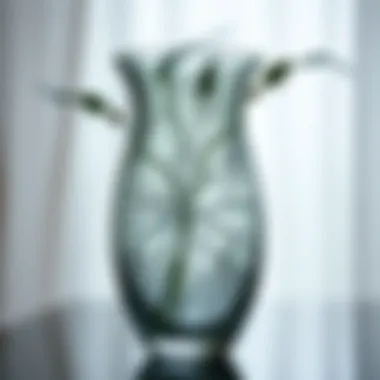
The charm of Scandi glass vases lies not merely in their aesthetic appeal but in their underpinning philosophy, which embraces simplicity, functionality, and a connection to nature. These pieces of art serve as more than just holders for flowers; they embody a design ethos that resonates deeply with the values of contemporary living. The utilization of glass in these vases fosters a sense of transparency and lightness, both visually and conceptually. With the growing trend towards minimalism, Scandi glass vases are revered by interior decorators and everyday enthusiasts alike.
Historically, the Scandinavian design movement emerged in the mid-20th century, influenced by the region’s natural beauty and a desire for functional yet stylish home decor. Iconic designers such as Alvar Aalto and Arne Jacobsen laid the groundwork for what would come to define Scandinavian design: clean lines, organic shapes, and a seamless blend of artistry and utility.
As we navigate through this guide, we will explore various facets of Scandi glass vases, from their intricate craftsmanship to their modern-day applications in interior decor. The discussion will not only highlight the elegance of these vases but also provide practical insights on selection and care.
Let’s embark on this journey, unveiling the multifaceted aspects of Scandi glass vases that make them a staple in both home and professional design contexts.
Preface to Scandi Glass Vases
Scandi glass vases epitomize the very essence of Scandinavian design, a movement that has garnered global admiration for its blend of simplicity and functionality. In this exploration, we will delve into what makes these vases not just decorative items, but also cherished pieces of art that enhance any space they occupy. The sleek lines, minimalistic forms, and enchanting translucence of these vases serve as a canvas for creativity, embodying both aesthetic appeal and practical use.
The importance of Scandi glass vases lies in their ability to contribute to the broader discussion of modern interior decor, where excess is often seen as a hindrance rather than a feature. They remind us that beauty can exist in simplicity and that even the most unassuming piece can have a profound impact on a room’s atmosphere.
Definition and Characteristics
At their core, Scandi glass vases are characterized by their minimalist design philosophy, derived from an emphasis on functionality. Unlike many ornate vases that may feel cluttered or overly busy, these pieces focus on clean lines and soft, muted colors. They're often made from high-quality glass, showcasing expert craftsmanship and attention to detail. Many feature slight imperfections that add character, a hallmark of artisanal production.
These vases are not bound by strict shapes; rather, they can range from geometric forms to organic silhouettes that echo the natural surroundings of Scandinavia. Often, they come in earthy tones or clear finishes, which allow them to blend seamlessly in various interiors. The versatility of Scandi glass vases is a major draw for designers and casual decorators alike.
"In Scandinavian design, every object serves a purpose, often merging beauty with practicality."
Historical Origins in Scandinavian Design
The roots of Scandi glass vases can be traced back to the early 20th century, a time when the Scandinavian design movement began gaining traction. This period was marked by a retreat from elaborate styles and an embrace of functional forms. Influenced by the harsh yet beautiful Nordic landscape, designers sought to create objects that reflected their environment while also serving practical purposes.
Notably, the concept of functional beauty became a guiding principle. It was during this time that notable companies, such as Kosta Boda and Orrefors, began producing vases that would embody these values. The products from this era are significant because they established a legacy that continues to influence contemporary designs. As we look at modern Scandi glass vases, we can clearly see the DNA of these historical roots reflected in their elegant simplicity and thoughtful design.
In essence, exploring the historical journey of these vases offers insights into how cultural values have shaped their evolution, underscoring the important connection between artistry and utility in Scandinavian craft. This exploration not only enriches our understanding of the vases themselves but also connects us to the enduring legacy of Nordic design.
Aesthetic Appeal of Scandi Glass Vases
The aesthetic appeal of Scandi glass vases is a key cornerstone in understanding their integral role within modern decor. These vases are not merely vessels for flowers; they embody a way of life that emphasizes simplicity, beauty, and functionality. Aesthetics in the context of Scandi design highlight a focus on minimalism while maintaining elegance, making them perfect for those who appreciate understated sophistication.
Scandi glass vases have become more than just accessories; they reflect a philosophy that celebrates the purity of nature and the joy found in simple things. The beauty of their streamlined forms is echoed in various spaces, from minimalist homes to cozy urban apartments, offering a seamless blend with both contemporary and traditional settings. This ability to harmonize with various styles accentuates their place in the hearts and homes of many.
Minimalism and Functionality
Minimalism is at the heart of Scandinavian design principles, and it resonates beautifully with the intentions behind Scandi glass vases. These pieces eschew overwhelming ornamentation; instead, they embrace clean lines and essential forms that speak of clarity and purpose. The beauty is not in complexity but in thoughtful simplicity, allowing each vase to serve its function without overwhelming the ambiance.
For example, a sleek, cylindrical glass vase can be used to showcase a single flower, making it a stunning focal point without the distraction of unnecessary adornments. This is not just design for design's sake—it's a relational approach where every piece is consciously chosen to enhance the surrounding environment.
"Simplicity is the ultimate sophistication."
When selecting Scandi glass vases, one must keep functionality in mind. It’s not only about what looks good; it’s also about how these items serve your space. A well-placed vase can draw the eye, balance a room, and even create zones within an open floor plan. This practical application comes with the advantage that each piece plays a vital role, reinforcing the idea that form and function are beautifully intertwined in Scandinavian design.
Color Palettes and Finishing Techniques
The color palettes associated with Scandi glass vases are often characterized by soft, muted tones that evoke a sense of calm and tranquility. Neutral shades like whites, greys, and ochres dominate, appealing to those who prefer their decor to feel warm yet refreshed. These colors can be especially beneficial in smaller spaces, contributing to an airy feeling of openness while preventing the environment from feeling cluttered.
In addition to color, finishing techniques also play an essential role in the appeal of these vases. Hand-blown glass, for instance, often features unique patterns and textures, making each piece a one-of-a-kind accent for any home. This aspect of craftsmanship ensures that the vases not only serve a practical purpose but also act as tangible pieces of art.
The glossy or frosted finishes further enhance their appeal, guiding light beautifully through the glass and often creating enchanting reflections that add depth to any surface. Whether you are combining various vases in a colorful arrangement or selecting a single standout piece, the interplay of color and finish can influence the mood of a room significantly.

Materials and Craftsmanship
When diving into the world of Scandi glass vases, one cannot overlook the pivotal role that materials and craftsmanship play. They are not merely vessels for flowers or decor; they embody a philosophy that underpins Scandinavian design principles. Each piece of glasswork tells a story, highlighting the dedication of artisans as well as the cultural context from which it arises. It’s an intricate dance of functionality, aesthetic value, and sustainable practices that makes Scandi glass vases stand out.
Types of Glass Used
Scandi glass vases primarily utilize a few specific types of glass, each chosen for their unique properties.
- Soda Lime Glass: This is the most common type used in glassmaking. It consists of silica, soda, and lime, which combine to create a versatile glass that can be shaped easily. Its affordability makes it popular in mass production, allowing for a wide variety of designs and colors.
- Borosilicate Glass: Known for its durability and resistance to thermal shock, this type of glass is often used in more intricate designs. It's prized for its clarity and strength, lending a modern edge to traditional styles.
- Crystal Glass: Featuring a higher lead content, crystal glass has an exquisite sparkle. It can be more difficult to work with and is often associated with premium pieces that reflect light beautifully, adding a luxurious touch.
Each type of glass brings something different to the table, influencing the final appearance and function of the vase. Selecting the right glass is critical for both aesthetic and practical reasons.
Handcrafted versus Mass-produced
The debate between handcrafted and mass-produced vases is like a tale as old as time in the design world. Handcrafted glass vases carry an inherent charm that tells of the artisan's skill and vision. These one-of-a-kind pieces often exhibit irregularities, making each item distinct. Their uniqueness not only emphasizes an artisanal approach but also often includes a narrative that resonates personally with buyers. Notable Swedish artisans like Kosta Boda or Orrefors exemplify this ethos, producing exquisite pieces that are considered more than just decorative items—each vase becomes a work of art.
On the other hand, mass-produced vases have their own set of advantages. They offer affordability and accessibility, making it easier for enthusiasts to curate collections without breaking the bank. Brands such as IKEA have mastered the art of producing stylish glass vases that meet modern demands without compromising on design. However, it’s essential to consider that while these might be easier on the wallet, they may lack the depth and character of handcrafted pieces.
Sustainability in Production
In today's design landscape, sustainability is no longer just an option; it’s a necessary principle. Many Scandi glass manufacturers are adopting green practices in their production processes. This includes using recycled glass as raw material, which not only minimizes waste but also requires less energy than producing new glass. Additionally, many artisans prioritize local sourcing of materials, reducing transportation emissions and supporting regional economies.
Emphasizing sustainability extends beyond just materials. The craftsmanship involved in making these vases often includes ethical labor practices which enrich the community in which they are produced. Artisans often create pieces that are designed to last, reducing the cycle of fast consumerism associated with many products today.
"When a piece of glassware transcends its function, it becomes an heirloom, a part of a legacy that honors both the environment and the artistry behind it."
As consumers, we have the power to choose with our wallets. Opting for sustainable Scandi glass pieces not only supports responsible practices but often results in unique, beautifully crafted items that contribute positively to the environment.
Styling Tips for Integrating Scandi Glass Vases
In this exploration of Scandi glass vases, styling tips play an instrumental role in showcasing their elegance within modern interiors. The careful placement and complementary decor highlights the vases’ aesthetic appeal while infusing a touch of Scandinavian minimalism into the space. Understanding how to seamlessly integrate these pieces can transform a mundane room into a stylish sanctuary.
Placement in Various Spaces
When it comes to placing Scandi glass vases, the old adage "there's a time and place for everything" rings true. Consider the following tips to elevate your decor with these stunning pieces:
- Living Room: Center the attention on the coffee table with a singular, large Scandi vase filled with greenery or a couple of delicate blooms. The transparent quality of the glass will allow the colors of your flowers to dance through the light, while the simplicity of the design lessens clutter.
- Dining Area: Bring warmth to your dining experience by placing medium-sized vases as centerpieces. Matching the vases in a subtle color can provide a sense of cohesion. Don't forget to rotate seasonal elements; a winter arrangement of evergreens adds a cozy touch.
- Entryway: A small Scandi vase on a console table or shelf can greet guests with a pop of personality. It could hold fresh flowers that reflect your taste today or dried stems that bring a sense of permanence to your decor.
- Bathroom: Consider a narrow glass vase on the bathroom counter, filled with eucalyptus or other fragrant herbs. The vapor of the steamy bathroom will enhance the scent, creating a luxurious atmosphere while maintaining that Scandinavian feel of freshness and clean lines.
Placement is key. Each setting offers unique opportunities to highlight the character of Scandi glass vases, blending functionality with beauty, while remaining true to the minimalistic approach of Scandinavian design.
Complementary Decor Elements
Complementing the Scandi glass vases with the right decor elements can enhance their beauty and the overall design of the space. Here are some ideas:
- Natural Textures: Incorporating elements like wooden furniture, linen fabrics, or stone can provide a tactile contrast to the smoothness of the glass. A driftwood side table paired with a slender, clear vase can create a harmonious balance between delicate and robust materials.
- Color Coordination: While Scandi vases often favor neutral tones, accentuating them with colorful items can create a striking focal point. For instance, place a dark, textured vase against pastel-colored walls. This interplay can draw the eye and encourage exploration around the room.
- Layered Heights: Use pedestals or stack books under vases to create varying heights, giving your arrangement visual interest. It can be effective to position a tall vase alongside a shorter one, playing with dimensions and drawing attention to the distinctive shapes of each.
Think about the emotions you want to evoke. Elegantly integrated Scandi glass vases can make a home feel more inviting and sophisticated, without overwhelming the senses.
- Lighting: Position your vases near windows or under focused light sources. The way light reflects and refracts through the glass can create captivating shadows and highlights, adding depth and dimension to your display.
By carefully considering the placement and surrounding decor elements, Scandi glass vases can profoundly enhance the aesthetic quality of any room. These tips encourage an intuitive approach to styling that is both practical and artistically fulfilling.
Care and Maintenance of Glass Vases
Caring for Scandi glass vases is more than just a chore; it's about preserving the beauty and integrity of these exquisite pieces. Attention to care and maintenance can extend the lifespan of your vases while retaining their aesthetic appeal. In the world of design, little details matter. Neglecting proper upkeep not only leads to unsightly wear but also diminishes the elegance that these vases bring to a space. Whether you are a fashion enthusiast or a casual shopper, understanding how to maintain your glass vases can elevate your home decor game.
Cleaning Techniques
Keeping your glass vase sparkling and clear is essential. Here are some effective techniques you can use:
- Warm Soapy Water: Mix a few drops of mild dish soap with warm water. Use a soft cloth or sponge to clean the surface, avoiding any abrasive materials that might scratch the glass.
- Vinegar and Baking Soda: For tougher grime, fill the vase with warm water, add a couple of tablespoons of baking soda, and a splash of vinegar. Let it fizz for a few minutes, then scrub gently.
- Baby Bottle Brush: For vases with narrow openings, a baby bottle brush works wonders. It allows you to reach inside without straining your hands.
Be meticulous about rinsing your vases thoroughly to remove any soap residue. Any leftover cleaning agent can leave marks or film, detracting from the crystal-clear effect of your glass.
Preventing Damage and Wear
To keep your glass vases looking their best, some proactive measures can go a long way:
- Avoid Direct Sunlight: Long exposure to sunlight can lead to discoloration. Find a spot that showcases your vase without putting it in direct sunlight for long periods.
- Use Felt Pads or Coasters: When placing vases on surfaces, felt pads can be a godsend. They help to prevent scratches and absorb minor shocks if the vase is accidentally nudged.
- Handle with Gentle Care: When moving or cleaning your vases, always take the time to handle them carefully. A little precaution can prevent tipping or dropping, which are common causes of chipping or breaking.
"A little consideration and care can preserve not just the beauty but also the essence of your decor."
Each of these steps doesn’t just safeguard your glass vases against damage; they echo a broader appreciation for the craft and attention to detail that characterizes Scandi design. By respecting the materials and craftsmanship involved in these vases, you ensure they remain a cherished part of your home for years to come.
Cultural Significance and Symbolism
The cultural importance of Scandi glass vases extends beyond mere aesthetics—they are enshrined in the ethos of Scandinavian design itself. Rooted in a philosophy that prioritizes simplicity and functionality, these glassworks embody deeper connections to nature and society. They have roots in the Scandinavian way of life, which closely intertwines man-made objects with elements of the natural environment.
The purpose of discussing the cultural significance and symbolism of these vases is to provide insight into how they resonate within various spheres of life. This exploration unveils a tapestry of meanings associated with glass, reflecting both personal and communal values.
Symbolism of Glass in Scandinavian Culture
In Scandinavian culture, glass is not just a medium but a canvas for storytelling. It signifies clarity and purity, drawing parallels with the vast, transparent lakes and crisp air of the Nordic lands. The craftsmanship of glassmaking mirrors the tenacity of the people who have long thrived in such stark landscapes. Each vase is often imbued with symbolism—from representing the cold beauty of winter to the vibrancy of the summer sun. They serve as vessels not only for flowers but also for memories, capturing fleeting moments in time.
"Glass reflects the light in a unique way, representing the luminous spirit of the Nordic countries."
- Connection to Nature:
- Family and Tradition:
- Artisan Identity:
- Glass often mimics natural forms, reflecting the curves of hills or the smoothness of river stones.
- Many designs incorporate elements that resemble the flora and fauna, emphasizing a sustainable relationship with the earth.
- These vases frequently become heirlooms, passed down through generations, creating a bridge between past and present.
- The act of flower arranging can be a family tradition, emphasizing the gathering of loved ones.
- Many Scandinavian glass artisans see themselves as custodians of a time-honored craft, thus each piece tells a story of its maker.
- The ideology behind it often adheres closely to the principles of functional beauty and minimalism, asserting that even the simplest items hold value.
Artistic Movements Influencing Design
The journey of glass vase design in Scandinavia is shaped by various artistic movements that have flowed through Europe over the centuries. The influence of functionalism and modernism cannot be overstated; these movements harmonize with the ethos of Scandinavian aesthetics.
- Functionalism:
- Modernism:
- Art Nouveau Influence:
- Rooted in the early 20th century, functionalist designs prioritize utility. This approach aligns seamlessly with the creation of glass vases, ensuring that every curve and angle serves a purpose.
- Pieces like those designed by Alvar Aalto combine form and function, allowing for a completely versatile use in different spaces.
- The modernist movement, with its inclination toward clean lines and minimal decoration, heavily impacted glass design. Trends that simplify yet enhance visual enjoyment dominate the scene.
- Many contemporary designers draw upon modernist principles, emphasizing unembellished beauty while still creating stunning visual effects through the glass.
- The organic forms of Art Nouveau also hold sway, echoing nature's intricacies. Some more ornate vases exhibit floral motifs and fluid designs that capture the movement found in natural patterns.
- Art Nouveau brought about an appreciation for handcrafted items, which is still evident in today's artisanal approach to glassmaking.
Through understanding the cultural significance and symbolic essence of glass in Scandinavian life, we can appreciate how these vases are not merely decorative yet hold stories that resonate through generations. They serve not only as functional pieces but also as reminders of our connection to nature, community, and heritage.
Current Trends in Scandi Glass Vases
The landscape of Scandi glass vases is constantly shifting, reflecting broader design trends and societal values. Staying informed about current trends in this arena is crucial not just for collectors, but also for interior designers, stylists, and anyone keen on embracing contemporary aesthetics.
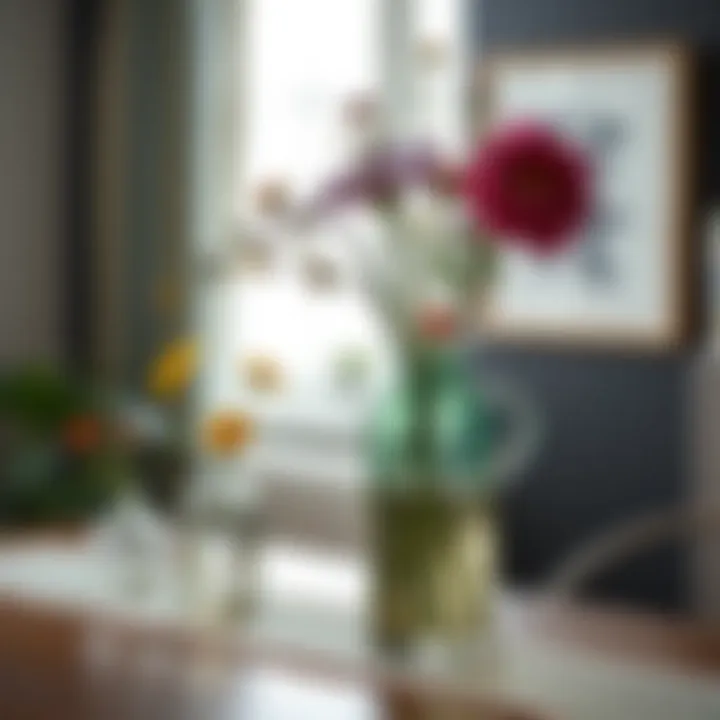
Key Elements of Current Trends:
- Sustainability: As the world shifts towards eco-conscious choices, many brands are prioritizing sustainable practices. This includes using recycled glass or sourcing materials that have a lesser environmental impact. These practices not only speak to the moral imperatives of today but also align beautifully with the ethos of Scandinavian design, which often harmonizes with nature.
- Versatility in Functionality: Today's glass vases are not merely functional decor items but are designed to be multi-purpose. Some serve as candle holders or planters, merging various elements into a single piece. By adopting flexibility in design, these vases cater to different tastes and needs, effectively appealing to a wider audience.
- Fusion of Tradition and Innovation: Emerging designers are weaving traditional techniques and motifs into modern designs, creating a captivating tapestry of old and new. This blend not only honors the Scandinavian heritage but also invites fresh interpretations that resonate with a contemporary audience.
"The elegance of Scandi glass vases lies in their simple beauty, that can blend into any space, like a chameleon to its surroundings."
Emerging Designers and Innovations
In recent years, the emergence of talented designers has rejuvenated the Scandi glass vase scene. Many new voices are stepping into the limelight, offering fresh perspectives on designs that still hold true to Scandinavian roots. Designers are challenging established norms, using experimental shapes and innovative manufacturing techniques to breathe new life into glass artistry. For instance, taking inspiration from nature, many are exploring organic forms that capture the essence of the Scandinavian landscape. This return to nature also corresponds to the ongoing trend of biophilic design, where elements from the natural world are integrated into spaces to foster a sense of well-being.
Popular Styles and Shapes
Understanding the evolution of styles and shapes within the realm of Scandi glass vases reveals much about contemporary tastes. Today, the trends lean towards unique shapes that embody simplicity yet are striking enough to command attention. Here are some notable styles:
- Geometric Shapes: Clean lines and sharp angles are quite popular, providing a modern edge that suits minimalist interiors. These shapes can often create visual drama, which is particularly compelling in stark, monochromatic settings.
- Organic Forms: On the flip side, there is a growing love for vases that mirror natural shapes. Soft curves and asymmetrical designs infuse a more relaxed vibe, echoing the unpredictability of nature itself.
- Color Gradients: A trend gaining traction is the use of color gradients in vases. This technique not only creates visual interest but also allows for subtle transitions in decor themes, blending harmoniously into varied interiors.
By recognizing these styles and forms, aficionados can make informed decisions that not only enhance their living spaces but also reflect their unique tastes. A well-chosen Scandi glass vase can serve as a conversation starter, boasting stories of craftsmanship and creativity.
For more exploration on Scandinavian design principles, check out resources on Wikipedia and Britannica.
Market Overview and Pricing
Understanding the market dynamics and pricing strategies surrounding Scandi glass vases is not just a matter of curiosity but a crucial aspect for anyone looking to invest in or casually purchase these decorative pieces. The landscape of Scandi glass vases is expansive, with a medley of brands offering diverse options. This section will delve into the intricacies of brand comparisons, affordability, and what drives pricing for these sought-after items.
Comparative Analysis of Brands
When it comes to Scandi glass vases, one will find a handful of prominent brands that lead the way in quality and design. Brands like Kosta Boda, known for their stunning artistry, and Iittala, which proudly carries a legacy of functional beauty, represent the crème de la crème of the market. These brands often prioritize artisanal craftsmanship, resulting in pieces that stand out visually and emotionally.
However, it’s not just about prestige; one must consider the unique characteristics of each brand. For instance:
- Kosta Boda: Focuses on bold colors and designs that push creative boundaries.
- Iittala: Emphasizes a minimalist style that fits seamlessly into various interiors.
- Holmegaard: Offers a rich history and often provides elegant classic designs shuffled among modern interpretations.
The pricing can vary widely depending on brand reputation, design complexity, and materials used. High-end brands typically charge a premium, while emerging designers may offer competitive pricing as they carve out their niche. Additionally, limited-edition releases from well-established brands might fetch exorbitant prices due to their perceived collectibility.
Investment versus Affordability
Deciding between investing in high-end pieces or opting for more affordable options often presents a dilemma. Here’s where understanding value comes into play. While a luxurious vase from a reputed designer may cost a pretty penny, it often provides a sense of satisfaction that cheaper alternatives may lack. Think of it like choosing between a finely aged cheese versus a run-of-the-mill product; the experience can be drastically different.
On the other hand, personal budgets cannot be ignored. Many retailers offer Scandi glass vases at various price points, which means that even those on tighter budgets can find something that fits their aesthetic without breaking the bank. Places like H&M Home or Cooee Design bring forward charm at more accessible prices without sacrificing style.
In short, when weighing investment against affordability, consider the following factors:
- Personal Financial Situation: Are you looking at this as a long-term investment or a decor fix?
- Intended Use: Will this be a centerpiece for special occasions or a daily décor piece?
- Longevity: High-end pieces often stand the test of time, both in design and quality.
Ultimately, there’s beauty in both worlds, and it's entirely possible to mix high-end luxury with budget-friendly finds, creating a personal collection that is uniquely yours.
"In the end, the value of a vase isn't just in its price tag but in the story it tells and the beauty it brings to your space."
By navigating through the market with a clear understanding of pricing and brand positioning, you can find Scandi glass vases that resonate with your style while respecting your budget.
The End
When it comes to Scandi glass vases, it's clear that these pieces do more than just hold flowers; they embody a philosophy of design centred on simplicity and functionality. The enduring appeal of these vases can be attributed to their ability to blend seamlessly into various decor styles, from rustic to modern minimalist. Their beauty lies in their versatility and the way they grace a room without overwhelming it.
The Enduring Appeal of Scandi Glass Vases
Scandi glass vases resonate deeply within the realms of both aesthetic pleasure and practical functionality. They serve not just as decorative objects but as statements of lifestyle. The minimalist design, often characterized by soft lines and muted colors, aligns perfectly with the ethos of Scandinavian design—stripping away excess to focus on essentials. Here's why they continue to captivate the discerning eye:
- Versatile Design: Whether in a sleek urban apartment or a cozy cottage, Scandi glass vases adapt to multiple themes. Their understated elegance encourages creativity in styling, allowing them to shine in various settings.
- Quality Craftsmanship: Handcrafted designs often showcase exceptional skill, making each piece unique. Knowing the story behind each vase enhances its value—it’s not just an object but a piece of art.
- Sustainable Touch: Conversations about sustainability are becoming ever more integral in design. Many Scandi glass vases are produced with eco-friendly practices in mind, reflecting a commitment to preserving the environment.
"In many ways, these vases symbolize a return to simplicity, emphasizing what is truly beautiful in our surroundings."
For enthusiasts in fashion and home decor alike, understanding the nuances of Scandi glass vases can significantly influence their choice in decorative pieces. As we navigate trends, their persistent charm underlines that sometimes, less truly is more. As vases continue to evolve with innovative designers putting fresh spins on the classic forms, the timeless allure of Scandi glass ensures its place in modern interiors for years to come.