
The Impact of 70s Disco Fashion on Modern Style


Intro
Disco, the lively and pulsating music scene of the 1970s, was inseparably linked to a distinctive style of fashion that has echoed through time. The garments worn by disco-goers were not merely clothing; they served as vital expressions of freedom, identity, and cultural happenings. Each piece characterized a time when the world was shifting, allowing individuals to explore their uniqueness amidst the chaos of a changing society.
Diving into the essence of 70s disco clothes, we find a dynamic interplay of color, texture, and form that not only made a statement on the dance floor but also influenced future fashion trends. From sequined jumpsuits to bell-bottom jeans, these clothing items were embodiments of the era's exuberance and a reflection of social dynamics, with fashion serving as a lens through which cultural dialogues could be understood.
Throughout this exploration, we will unpack the vital elements of disco fashion, tracing its origins, analyzing its key styles, and investigating the lasting impact that these trends continue to have on contemporary wardrobes. By doing so, we aim to provide a broad perspective on how 70s disco fashion was more than a mere trend; it was a movement that forever changed the landscape of clothing and what it means to express oneself through fashion.
The Rise of Disco Culture
The emergence of disco culture in the 1970s represents more than just a musical movement; it reflects a paradigm shift in social dynamics, fashion, and personal expression. As disco took center stage, it fostered an environment where creativity and individuality flourished. In the smoky ambiance of the late-night clubs, a unique style developed alongside the pulsating rhythms of disco music, creating an atmosphere that embraced liberation and flamboyance. Understanding this rise illuminates not only the aesthetic choices of the time, but also the broader cultural and social undercurrents that shaped an entire generation.
Disco fashion was heavily influenced by the socio-political landscape of the time, emerging amid tensions regarding race, gender, and sexuality. It bridged gaps between various identities, welcoming diverse groups into its vibrant fold. The distinctive styles that developed later became a medium for self-expression and empowerment, with clothes often serving as a canvas for the celebration of body positivity and inclusivity.
Historical Context
The advent of the disco era can be traced back to the late 1960s and early 1970s when American society was bubbling with change. The backdrop included the civil rights movement, women’s liberation, and a growing acceptance of LGBTQ+ rights. These social changes weren’t merely confined to headlines; they seeped into every facet of life including fashion.
Nightclubs like the famous Studio 54 not only became epicenters of music but also transformed into spaces where fashion statements were made. This period marked the blending of high fashion with everyday wear, encouraging a spirit of experimentalism and flamboyance. Disco challenged the status quo of conservative dress codes, enabling individuals to express their true selves amid an empowering backdrop of freedom and joy.
Social Influences
The disco scene was fuelled by its electrifying community. Dance floors became a melting pot of cultures, where people from various backgrounds mingled, creating a rich tapestry of styles and sounds. The unity formed within these social circles shattered societal norms, allowing individuals to forge identities outside of oppressive societal expectations.
Fashion reflected this growing sense of community. Bright colors, bold patterns, and lavish fabrics became symbolic of this freedom. Disco dancers could often be seen wearing flashy outfits that not only made them stand out but also fostered connections among diverse groups. This collaboration and camaraderie revealed how clothing choices were not just personal but part of a larger cultural phenomenon.
"Fashion is the armor to survive the reality of everyday life." - Bill Cunningham
Disco attire was less about conformity and more about celebrating individuality. Everything from the materials used to the communal spirit encapsulated the essence of this iconic decade.
Significant Styles of Disco Clothing
The significance of disco clothing in the 1970s goes beyond mere fashion statements; it reflects a cultural movement that celebrated freedom, individuality, and, in many cases, rebellion. Each garment represented a shift in societal norms, blending elements of funk, glamour, and even punk aesthetics. The styles that emerged during this era did not just fill wardrobes; they set the stage for self-expression and identity formation. Let's delve into some of the most notable styles that defined the disco scene.
The Flared Pant Recognition
Flared pants became a symbol of the disco movement, recognized for their unique design that added movement to the dance floor. With a fitted upper section that flared out dramatically from the knee, these pants created a sweeping silhouette that was both flattering and playful.
One could hardly walk into a discotheque without spotting people swaying in their colorful flares. Fabrics like polyester and cotton blends showcased vibrant patterns ranging from psychedelic swirls to bold checks, bringing energy to the nightlife.
The introduction of such styles did more than just dress bodies; they sparked a sense of community among disco goers. For many, wearing flared pants was not simply about looking good—it represented participation in a collective cultural phenomenon.
"In the disco age, flares were the ultimate symbol of defiance and identity. They were a way to stand out in a crowd and make a statement that was hard to ignore."
The Role of Jumpsuits
The jumpsuit carved out its niche within disco fashion as an embodiment of simplicity and sophistication. Made popular by stars like Cher and Donna Summer, jumpsuits were versatile and allowed for easy movement—perfect for an energetic night of dancing.
Often seen in eye-catching metallics or bold prints, these one-piece wonders conveyed a sense of style that was both daring and practical. The appeal lay in their all-in-one convenience; no need to mix and match. Moreover, jumpsuits varied in design—from sleek, form-fitting options to loose, carefree fits adorned with sequins and embellishments.
Jumpsuits also became a canvas for self-expression, where wearers could embrace colors and patterns reflecting their personality. The cultural significance of this garment shouldn’t be overlooked; it provided a way for individuals to challenge conventional gender norms, merging masculine and feminine elements seamlessly.
The Evolution of Fabric and Patterns
The disco era witnessed a creative explosion in fabric choices and pattern designs. Gone were the restrictive norms of previous decades. Instead, fabrics like satin, stretch jersey, and sequined textiles allowed for a glowing appeal under disco lights.
Patterns played a crucial role in setting the mood and ambiance of the fashion scene. Polka dots, florals, animal prints, and even optical illusions graced everything from pants to shirts and dresses. Each design was not merely a trend; it conveyed a message of fun, positivity, and the spirit of the times.
Moreover, the functionality of the designs cannot be underestimated. Fabrics that could stretch and move with the body became essential for those wanting to hit the dance floor. The objective was clear—to reflect the high-energy environment of nightclubs that thrived on pulsating beats and dynamic movements.
The styles of disco clothing remain entrenched in modern fashion trends, with designers drawing inspiration from the 70s ethos of vibrant colors and expressive patterns. Disco's impact on design has a lasting legacy, ensuring that the essence of individuality and joy continues to flourish in today's fashion landscape.
Footwear Trends in Disco


Footwear during the disco era was not just about function; it became a means of self-expression and a critical part of the overall aesthetic. With the music pulsing and the dance floor alive, what you wore on your feet could determine your comfort, style, and how well you could strut your stuff. Disco shoes were designed to stand out, balancing the fine line between flamboyance and practicality, allowing disco enthusiasts to dance their nights away without missing a beat.
The significance of footwear trends in disco cannot be overstated. The styles chosen by the dancers reflected their individuality, and those choices contributed to the larger cultural narrative of the decade. The right pair of shoes could elevate an outfit, and for many, they were the finishing touch that brought an entire look together.
Platform Shoes: Functionality and Fashion
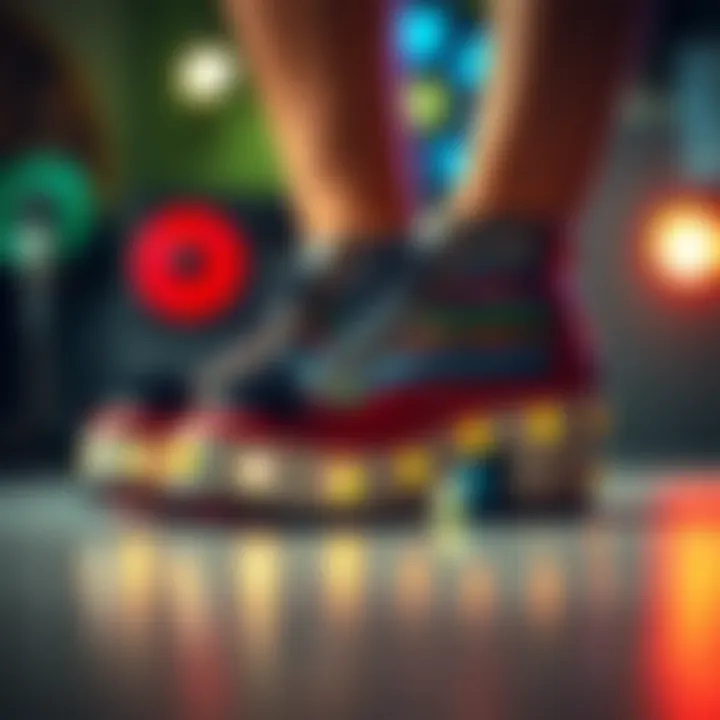
Platform shoes epitomized the essence of disco footwear. With their thick soles, they added height and drama, enabling wearers to feel as if they were gliding across the dance floor. However, it was not just about aesthetics—these shoes also offered a degree of comfort. Dancers could easily bust a move thanks to the supportive base, which helped distribute weight evenly.
While they were flashy, they also had practical benefits. The platforms contributed to stability, a crucial aspect for those navigating slick dance floors. It’s said that wearing a pair of platform shoes was like adding an extra layer of confidence. Many styles came adorned with sequins and bright colors, turning heads left and right.
Some of the notable features of platform shoes include:
- Variety of Materials: From suede to shiny patent leather, the materials often matched the rest of the outfit, making a cohesive style statement.
- Height Variance: Platforms ranged from subtle lifts to towering statements, catering to every disco goer's preferences.
- Gender Neutrality: Both men and women embraced platforms; they became a shared trend that broke traditional gender markers in fashion.
"Platform shoes were not just footwear; they were a bold statement of individuality and rebellion."
Boots and Heels: A Dynamic Impact
Apart from platforms, boots and heels also played a notable role in shaping the disco scene. High-heeled shoes were reminiscent of classic glamour, yet they found a new niche within the vibrant disco environment. These styles transformed dance floors into runways, where each step became an opportunity to showcase personal flair.
Boots, particularly those with shiny finishes, became a favorite among many. Functional yet stylish, they provided comfort, allowing for uninhibited movement. The right pair of boots, whether ankle or knee-high, could perfectly complement lavish outfits, making them a must-have accessory. Among the popular styles were:
- Knee-high boots: Often worn by women, these boots exuded confidence and served as a striking contrast to shorter hemlines.
- Ankle boots: These versatile options easily transitioned between dancing and socializing, making them practical yet fashionable.
- Stiletto heels: Feminine and fiercely stylish, these shoes added an edge to any outfit, creating elongated silhouettes and showcasing well-toned legs.
Ultimately, the choice of footwear in the disco scene reflected broader trends of the 70s—bold, daring, and unapologetically expressive. The shoes worn in those turbulent yet transformative years are reminders of a time when to wear your heart (and style) on your sleeve was just as important as knowing the latest dance moves.
The Color Palette of the Disco Era
The brilliance of disco didn’t just lie in the rhythm of the music; it extended into the very fabric and hues that adorned its enthusiasts. The color palette of the disco era is not merely superficial decoration; it carries deep social meanings and reflects the cultural ethos of the time. A mix of vibrant and metallic shades encapsulated the joy and freedom that defined the 1970s. Colors were not just chosen; they were an expressive tool that allowed individuals to showcase their identity, mood, and even their rebellion against established norms.
Choosing the right colors was akin to choosing one's persona. When disco enthusiasts dressed up, they did not opt for muted tones; instead, they sought to capture attention and provoke reaction. Fashion was alive with vivid colors such as bold pinks, electric blues, sunny yellows, and radiant greens, each symbolizing a certain energy and a call to the dancefloor.
Vibrant Hues and Their Symbolism
In the disco world, colors had a powerful resonance. Each shade carried its own significance, infused with social and cultural undercurrents. For instance, bright reds could denote passion and excitement, drawing dancers to the floor with an almost magnetic allure. Similarly, yellows evoked happiness and optimism, perfectly harmonizing with the celebratory nature of disco culture.
Vibrancy in color was not just about aesthetics. It resonated with the ideals of liberation and self-expression that disco embodied. Dancing became an act of defiance against the conservative norms of previous years, and the colors reflected this rebellious spirit. Think about it: showing up in a dazzling fuchsia bell-bottom suit was not just a style choice; it was a statement of individuality.
The use of vibrant hues also linked to the socio-political backdrop of the 70s. The civil rights movements, the feminist wave, and emerging LGBTQ+ pride all found reflections in fashion. The gallant choice of colors was, in essence, a celebration of these shifts. Disco wear became a medium where personal and collective identities converged, supporting the argument that color could convey the unspoken narratives of community resilience and change.
Metallic and Shine: Statement Textures
With the explosion of vibrant hues came the shiny textures that disco favored. Metallic fabrics transformed the dance floors into dazzling landscapes, as lights bounced off sequins and reflective materials to create an ethereal ambience. The use of shiny materials became a mainstay in disco fashion, drawing the eye and adding allure. Shimmering fabrics, such as lamé and satin, often combined with brilliant colors amplified the excitement that danced had to offer.
This penchant for shine wasn’t merely about spectacle; it symbolized aspiration and glamour. It played right into the collective desire of many in that era to rise above the mundane and channel a sense of celebrity and allure. According to many fashion historians, it represented a desire to escape into something larger than life, a kind of fantasy projected in fabric.
In disco, wearing metallic was about taking the chance to be bold and unique, playing with the idea of identity and self-perception. Every sequinned dress or pair of shiny platforms was a declaration: here is someone who is ready to shine, ready to be seen.
In the world of disco, color wasn't just about looking good; it was about standing out and being part of a revolution.
All of these elements—the vibrancy of hues and the play of metallic textures—wove a rich tapestry that reflects the intricate relationship between fashion and cultural movements. The colors chosen in the disco era continue to influence modern fashion as designers return to those bold choices to evoke nostalgia while creating new memories.
Influential Icons and Designers
When discussing the essence of 70s disco wear, one cannot overlook the figures who shaped it profoundly. The vibrant world of disco was not just about the fabrics or the fleeting trends; it was about the people who wore them with unapologetic flair. The celebrities and designers of that time didn’t just influence trends; they created a cultural narrative that echoed through the decades.
Celebrities Shaping Disco Fashion
The superstar icons of the disco era were undoubtedly instrumental in propelling this unique fashion into mainstream culture. Individuals like Diana Ross, John Travolta, and Cher twisted the expectations of style, confounding traditional fashion norms.
- Diana Ross dazzled in gowns decorated with sequins, often adorned with capes that billowed dramatically as she moved, becoming a kaleidoscope of color under the disco lights. Her presence encapsulated the vibrancy of the era, showcasing how clothing can transform one’s persona.
- Similarly, John Travolta, in Saturday Night Fever, epitomized the masculine side of disco culture, with his iconic white suit and perfect dance moves, making a compelling statement about male fashion that previously had more limitations.
- Cher, who defied boundaries in both music and style, wore outfits that left onlookers in awe. The boldness of her fashion choices, from feathered headdresses to skin-tight ensembles, pushed the envelope of what was typically expected.
These celebrities influenced not just their fans but also the designers who sought to emulate their styles. By turning heads and sparking conversations about individuality and expression, they helped forge a solid cultural bridge between social dancing and fashion.
Designers Who Defined Disco Trends


While celebrities lit the spark, it was the designers who fanned the flames of disco fashion by creating garments that resonated with the nightlife of the era. Visionaries like Halston and Bob Mackie were essential in crafting the styles that pulsated through dance floors across the globe.
Halston brought a sense of modernity to disco clothing. His signature use of transcendent materials, like viscose and jersey, offered comfort without skimping on style. Known for simple yet sophisticated silhouettes, Halston designed pieces that could be worn easily from day to night, emphasizing a laid-back luxury that suited the disco environment beautifully.
Moreover, Bob Mackie elevated disco attire to art forms. His flamboyant designs, often sheathed with sequins and opulent fabrics, not only embellished the likes of Cher but also captured the spirit of the era itself. Mackie's creations were unapologetically bold, often flaunting vibrant colors and exaggerated features that indulged the senses.
The interplay between celebrities and designers became a dance of its own; each knew the other’s power and influence, resulting in styles that were both of the time and timeless. The synergy of glamor, creativity, and daring experimentation defined disco fashion, embedding it into the fabric of cultural history.
“Fashion is about dreaming and making other people dream.” – Donatella Versace
In summary, the influential icons and designers of the 70s disco era were paramount in shaping a cultural phenomenon that combined music, style, and personal expression. Their legacies continue to resonate, reminding us how clothes can express the heart of a generation.
Disco Fashion in Popular Media
Disco culture not only influenced the dance floors but also seeped into the very fabric of popular media during the 1970s. Films and television shows played an integral role in popularizing disco fashion, making it accessible to the masses. This surge in visibility contributed to the rise of a distinct style associated with fun, freedom, and self-expression. The era’s media highlighted these colorful outfits, helping to shape identity not just through what people wore, but also how they viewed themselves in the context of a vibrant, evolving society.
Film and Its Influence on Style
Movies like Saturday Night Fever became synonymous with disco. This film didn't just tell a story about the nightlife; it served as a showcase of the fashion essential to the disco experience. The character Tony Manero, played by John Travolta, transformed the way audiences perceived male attire. Travolta’s iconic white suit and those fitted, colorful shirts became distinctly recognizable symbols of that era.
In the film, the dance floor is not merely a backdrop but a stage where personal and cultural identities are performed. Audiences weren’t just entertained; they longed to replicate the looks they had seen. The blend of polyester, flamboyant colors, and rugged shoes became a trend that customers rushed to mimic in their everyday lives.
Moreover, films like The Wiz presented a more vibrant representation of disco culture, embracing diverse style trends while showcasing a highly stylized interpretation of urban life. Such films contributed to the projection of disco as a lifestyle and not merely a fad. It was in these cinematic spaces where the aesthetics of disco became etched in public consciousness, leading consumer behavior towards adopting similar styles.
Television and the Showcasing of Trends
On the small screen, shows like Soul Train did not just celebrate the rhythm of disco through dance; they spotlighted fashion trends in a way that felt both inclusive and informative. The show became a cultural touchstone, highlighting the trends of the time while offering a platform for many upcoming artists. Viewers were inundated with a kaleidoscope of colors and styles—from extravagant dresses adorned with glitter to the loafers that danced to the beat of the music.
Television allowed fans to keep up with the latest trends from the comfort of their homes. It also created a feedback loop of inspiration; as viewers saw outfits donned by their favorite stars, they in turn influenced their peers and community.
Those retro outfits found on the dance scenes of numerous TV shows paved the way for stylistic choices in the following decades. The influence didn’t end with the disco era; many modern fashion trends draw on the flamboyance of disco attire, bridging the gap between past and present.
"Fashion is not just about clothes. It’s about the canvas of culture. Disco attire was that canvas, painted vividly through the lens of film and television during a musical revolution." This connection between media representation and real-world fashion choices illustrates the importance of film and television in making disco attire a staple of cultural expression during this vibrant decade.
Lasting Legacy of 70s Disco Clothing
The legacy of 70s disco clothing is nothing short of monumental, influencing not just how people dressed back then but also molding the very fabric of contemporary fashion. Clothing from this era isn't merely a relic; it is a vibrant palette showcasing individuality and social liberation. Disco wasn't just about the music and dance; it embodied a spirit of freedom and self-expression, which continues to echo in today’s fashion scene.
Disco attire, with its extravagant styles and fabrics, has forged a unique space in the style narratives over the decades. Whether through sequins reflecting the dazzling lights of a dance floor or through the fabric's fluidity symbolizing personal freedom, disco outfits told stories. They were not just clothes; they were statements.
Modern Interpretations of Disco Wear
Today, we see modern interpretations of disco wear making a comeback, reimagined for a new generation. Designers like Versace and Balmain have drawn from the flamboyance of disco, creating pieces that evoke that era while remaining distinctly contemporary. The essence of flared pants has resurfaced, albeit now often reworked into high-waisted versions, paired with tailored jackets and sleek tops for a more sophisticated vibe.
Moreover, vintage shops see a surge in demand for authentic disco pieces, with thrifty fashion enthusiasts hunting for the perfect jumpsuit or platform shoes that can serve as a bridge to that dynamic decade. Current trends also play with the psychedelic prints and metallic materials that were the hallmarks of the 70s disco era.
The adaptability of disco fashion reveals its enduring influence. Many recent collections scream disco both visually and philosophically; the carefree nature and attention to individuality from the past continue to resonate.
Disco Influence on Current Fashion Trends
As much as the 70s disco era was about flamboyance, there’s a subtlety in its modern interpretations. Today’s fashion has absorbed the essence of disco, remixing it with minimalist styles and sustainable fabrics. Brands such as Zara and H&M incorporate retro disco vibes into their latest collections, showcasing how the past molds the present.
From shimmering sequins to bell-bottom silhouettes, the remnants of disco are subtly woven into streetwear and high fashion alike. The influence is visible not just in casual wear but also at glittering red-carpet events where celebrities channel the spirit of disco.
The impact isn't just aesthetic; it reflects a broader cultural shift towards embracing diversity in fashion choices. Disco attire symbolized rebellion and acceptance, values that are now foundational to the inclusion in today’s fashion industry.
"The disco era, rich in costumes and colors, taught us that fashion can be a form of freedom and self-identity. We see that lesson revitalized in today's progressive fashion narratives."
Cultural Impact of Disco Attire
Disco clothing stands not just as a fashion statement from the 1970s, but as a cultural phenomenon that allowed individuals to express their identity, make political statements, and carve out a space for personal empowerment. Within the vibrancy of disco attire lies a complex interplay between style and societal change that reverberates even today, highlighting how clothing has the capacity to transcend mere aesthetics to reflect deep-seated cultural currents.
Disco fashion served as a form of empowerment, encapsulating the drive for freedom, acceptance, and individuality that marked the era. It provided a platform for marginalized communities to assert their presence boldly. The flair and flamboyance of the clothing echoed the pulsating beats of disco music, creating an immersive experience where personal expression and collective celebration merged. Some of the garments, especially those made with shiny, flamboyant materials, became signatures of self-assertion in environments that were often hostile to diversity.
Empowerment Through Clothing
The empowerment that disco clothing exuded was immense. Men and women alike reveled in the right to wear what made them feel confident and authentic. For many, dressing in sequins and bright colors represented more than just following a trend; it was about breaking free from traditional gender constructs and societal expectations. Actions like wearing a jumpsuit or donning platform shoes became political statements as they challenged the status quo.
In many urban centers, such as New York City, disco outfits were synonymous with nightlife and social movements, particularly within the LGBTQ+ community.
"Clothes can make the man, but in the case of disco, they made the dance floor a stage for self-expression."
Consider some notable trends that defined empowerment through disco attire:
- Gender Fluidity: The blurring of lines between feminine and masculine styles encouraged individuals to dress in ways that felt true to their selves, rather than conforming to societal norms.
- Racial Identity: Disco allowed people of color to reclaim their surroundings; artists and styles from the Black community heavily influenced mainstream disco fashion.
- Community Connection: Clothing became a way to connect with others, forming community bonds that transcended mere social interactions and created inclusive environments.
Identity Formation and Self-Expression
Disco clothes also played a crucial role in identity formation. The opportunity to choose from a kaleidoscope of styles, colors, and fabrics enabled people to create personas that resonated with their inner selves. This was not merely about looking good; it was a quest for recognition and validation in a world that often marginalized differences.
Pioneers of disco were not just artists or dancers; they were trendsetters, and their choices greatly influenced how others expressed their individuality. People weren't just wearing clothing; they were crafting identities that highlighted who they were in a revolutionary way. Through a vibrant array of styles, the disco era provided a canvas for wearing one’s ideals on one's sleeve.
Some key elements of identity formation in disco include:
- Bold Patterns: The extravagant prints and colors encouraged wearers to present themselves unapologetically.
- Accessory Choices: Items like oversized sunglasses and statement jewelry were essential for completing looks that reflected their wearers' moods.
- Personalization: Many embraced customization in their outfits, altering popular trends to better suit their tastes, merging the collective with the personal.
The cultural impact of disco attire resonates through time, proving that clothing can be a powerful vehicle for change. What people wear continues to be an expression of who they are and who they aspire to be, drawing from the rich legacy of this vibrant era.
The Shift in Fashion Narratives
The shift in fashion narratives during the 1970s is pivotal, as it illustrates how cultural movements can redefine societal norms and individual expression. Disco clothing, once the realm of nightlife, became a powerful symbol of rebellion and freedom, resonating deeply with the youth of that era. This section explores how the transition from disco to punk not only challenged existing fashion paradigms but also paved the way for diverse movements that would reshape the fashion landscape for generations to come.
From Disco to Punk: A Paradigm Shift
The late 1970s saw a radical transformation in style, moving away from the extravagance of disco attire to the stripped-down aesthetic of punk. Disco, characterized by vibrant, flashy outfits that encouraged dance and celebration, was seen as a representation of hedonism and indulgence. However, as societal attitudes shifted due to economic downturns and political discontent, punk emerged as a countercultural response.
Punk fashion emphasized individuality, often flaunting a raw and edgy appearance. Key elements included ripped clothing, safety pins, and a palette dominated by blacks and deep reds. This was a stark contrast to the glittering fabrics and bright colors of disco. Punk designers like Vivienne Westwood and Malcolm McLaren rejected the mainstream’s allure, promoting instead a DIY ethic that encouraged self-expression through clothing.
This transitional period reflected a broader cultural ethos, with punk advocating for personal freedom and authenticity in stark contrast to the commercialism seen in disco. Fashion was no longer just about looking good; it became a form of protest, a radical declaration of identity that resonated with many disillusioned youth.
Diverse Movements in the Fashion Landscape
The emergence of punk did not stifle disco's influence but instead created a fascinating tapestry of styles. As the 1980s unfolded, various subcultures began to blossom, each carving out unique fashion identities.
- New Wave: Drawing inspiration from the punk scene but leaning towards a more polished aesthetic with pastel colors and geometric shapes.
- Goth: Evolving from punk's rebellious tone, goth fashion showcased dark, romantic elements, incorporating lace, leather, and dramatic makeup.
- Skate Culture: Rising in popularity during the 1980s, this movement favored comfort and practicality, mixing casual wear with functional sneakers and a carefree attitude.
Fashion houses began to take notice, incorporating elements from these diverse movements into mainstream collections. Designers borrowed from punk’s anarchic spirit, mixing textures and styles to create collections that reflected a more democratized view of fashion.
"Fashion is about the new but also about regurgitating the past in ways that speak to the present; the hybridization of styles represents not only change but evolution."
The cyclical nature of fashion became more evident during this time. As punk faded, elements of disco and its ethos could be spotted in various iterations of style. The boldness of disco's color and flair could inspire new trends while the grit and authenticity of punk lived on in the underground. Each movement contributed to a rich legacy, one that urged designers and wearers alike to constantly explore the boundaries of fashion.
Sustainability and Disco Fashion
The era of disco, renowned for its vibrant and extravagant style, raises a thought-provoking discussion on sustainability in fashion. The connection between these eye-catching outfits of the 1970s and the modern emphasis on eco-consciousness is a topic worth exploration. As society increasingly redirects its focus towards sustainable practices, the way disco attire is perceived can greatly influence current fashion narratives.
Recycling Disco Aesthetics in Modern Fashion
Today, many designers and fashion enthusiasts are digging into the past, particularly the disco era's bold aesthetic. The recycling of disco trends offers fresh looks while embracing environmental responsibility. Think of how flared pants or sequined tops, once seen as relics, are now making their rounds in pop culture and contemporary wardrobes.
By pulling inspiration from the 70s while using sustainable materials, there's a unique merging happening.
- Vintage Fabrics: Designers often hunt for vintage clothing to upcycle or to create new pieces. This practice not only honors the original motifs of disco but also reduces waste by repurposing old garments.
- Sustainable Materials: Whether it’s organic cotton, recycled polyester, or ethically sourced materials, the modern interpretation of disco is finding itself in eco-friendly textiles. This aligns with a growing respect for fashion's environmental footprint.
By integrating these elements, today's fashionistas can relay messages of creativity and responsibility. A sparkly disco top could be a conversation starter about sustainability, making its wearer not just a style icon but an advocate for the planet.
Ethical Considerations in Vintage and Retro Styles
As the fashion circle circles back to iconic styles from the past, ethical considerations come into play. Vintage clothing, while fashionable, requires a mindful approach:
- Sourcing: It's crucial to buy from reputable sources that prioritize fair labor practices. Knowing where clothing comes from not only benefits the environment but respects the artisans who craft it.
- Impact of Fast Fashion: The rush to replicate vintage styles may lead consumers to fall into the trap of fast fashion. People must be educated about the consequences of quick turnover in fashion cycles that result in massive waste.
- Longevity and Care: Investing in high-quality vintage pieces encourages consumers to appreciate garments rather than treating them as throw-away items. Teaching individuals on how to care for these styles extends their life cycle and cultivates love for fashion that respects both people and planet.
"Sustainability isn't just a trend; it's a responsibility we bear for our world and future generations."
The merging of disco fashion's glamor with a sustainable mindset creates a pathway for fashion enthusiasts to celebrate the past while embracing a more conscientious future. Disco's revival isn't just about style; it can set a pace for a more sustainable fashion ecosystem.